
10 Best Sports Wear for Women Suppliers Worldwide

The global activewear market is expanding, but choosing a reliable supplier requires more than comparing catalog prices. Grand View Research valued the global sports apparel market at approximately USD 248.8 billion in 2023. Its report also projects continued growth through 2030, supported by fitness participation, athleisure demand, and online retail. These trends create opportunities for brands seeking dependable sports wear for women suppliers worldwide.

Quality remains the practical dividing line. A strong supplier should provide fabric details, production samples, size grading, and verified testing records. Important checks include stretch recovery, colorfastness, pilling resistance, sweat management, and seam durability. A waistband may look perfect in a studio photograph, yet roll after three washes. That detail matters.

This guide evaluates ten leading suppliers through product capability, manufacturing experience, communication, minimum order quantities, lead times, compliance, and customization support. References include McKinsey & Company’s sporting goods research, Grand View Research market analysis, and Textile Exchange’s preferred fiber reports. Certifications such as OEKO-TEX, GRS, ISO 9001, or recognized social-audit programs can strengthen supplier credibility, but they should not replace independent verification.

No ranking is flawless. Supplier performance can vary by factory, season, order size, and region. Some companies excel at premium yoga sets, while others handle high-volume teamwear more efficiently. Buyers should request recent samples, confirm testing documentation, and inspect production before scaling. A lower quote may hide weaker fabric recovery or unpredictable delivery. The best choice is rarely the cheapest one. It is the supplier that consistently turns specifications into wearable, tested, and commercially reliable products.
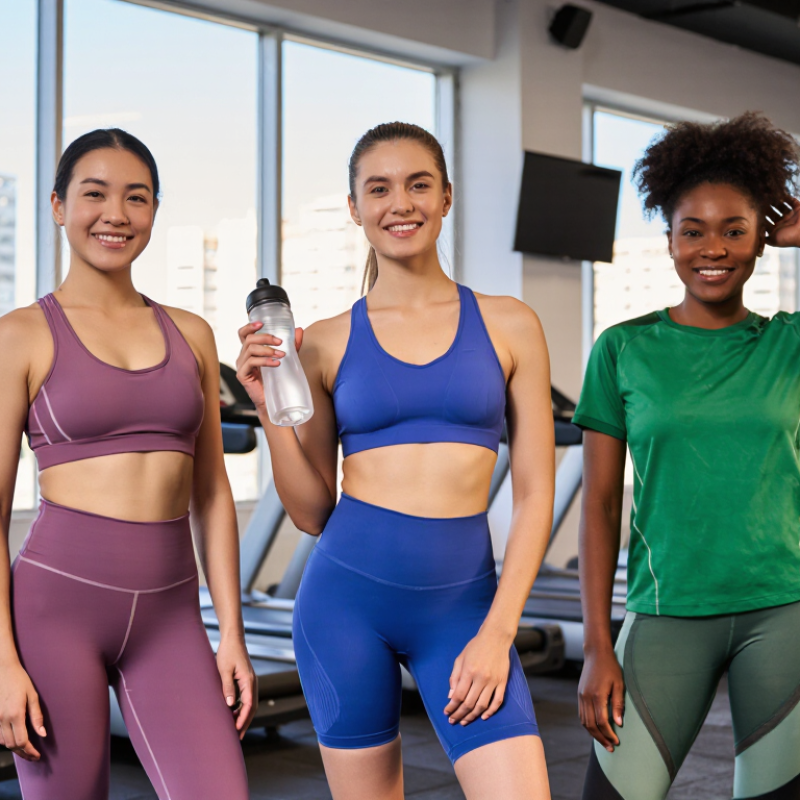
10 Best Sports Wear for Women Suppliers Worldwide

Understanding the Global Women’s Sportswear Supplier Market

The global women’s sportswear supplier market is shaped by performance, fit, and dependable production. Suppliers work through OEM or ODM models, serving retailers, studios, and emerging activewear labels. Their capabilities may include recycled polyester, nylon blends, seamless knitting, compression panels, and moisture management finishes. However, material language can sound impressive without proving performance.

Experienced buyers usually request samples in several sizes, not just a single model. Women’s bodies vary considerably across regions, so grading must be tested carefully. A waistband that feels secure in one market may feel restrictive elsewhere. I have found that wash tests, stretch recovery checks, and movement trials reveal more than polished product sheets. Small details matter, such as flat seams, pocket placement, and non-transparent fabric under bright light.

Supplier evaluation also requires practical due diligence. Buyers should review factory capacity, quality procedures, labor documentation, testing records, and expected lead times. Certifications can support credibility, but they should be verified through current documents and recognized auditing systems. Minimum order quantities, sample fees, packaging choices, and shipping terms affect the real cost. Communication is another useful signal. Slow answers during sampling may become serious delays during production. A spreadsheet helps, but it cannot expose every risk. Some decisions still depend on physical testing, honest questions, and a willingness to revise the original product idea.

Key Criteria for Evaluating Sportswear Suppliers

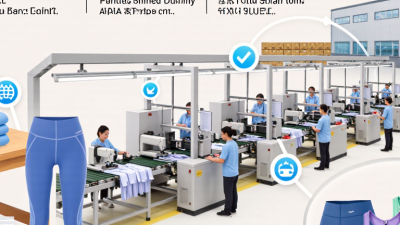
Choosing among sportswear suppliers worldwide requires more than comparing prices. In supplier reviews, I examine fabric performance, production control, and evidence behind every claim. A reliable supplier should provide fiber composition, stretch recovery, colorfastness, pilling, and abrasion test results. Ask who performed each test and when. Recent reports matter. A recycled-content certificate without batch traceability deserves caution. So does a low quote that excludes packaging, testing, or shipping adjustments.

Supplier experience should match the product. A factory making lightweight running tops may not understand compression panels or chlorine-resistant swim fabric. Request recent samples with measurement charts, seam details, care labels, and wash results. Check whether the sample matches the proposed bulk fabric. It often does not. That gap can create painful delays.

Evaluate quality systems, not just showroom polish. Look for documented inspections at fabric receipt, cutting, sewing, and final packing. Ask for defect thresholds and a corrective-action process. An experienced team can explain how it handles skipped stitches, shade variation, loose elastic, and inaccurate sizing. Request a small pilot order before committing to a large seasonal run. It exposes weaknesses early, though it may raise unit cost.

Communication is another practical test. Suppliers should answer technical questions clearly, confirm dates in writing, and flag risks before they become urgent. Review capacity, minimum order quantities, payment terms, worker safety practices, and applicable compliance documents. Independent audits can add confidence, but they are not permanent proof. Conditions change. Visit when possible, or use a qualified local inspector. My own mistake was trusting fast replies as proof of reliability. Delivery records and consistent inspection results tell a more honest story.

Profiles of the 10 Best Women’s Sportswear Suppliers

Profiles of the 10 Best Women’s Sportswear Suppliers

These ten supplier profiles reflect practical sourcing priorities for women’s sportswear. Each profile considers fabric performance, production control, communication, and order flexibility.

Supplier One specializes in recycled polyester leggings with strong stretch recovery. Supplier Two produces breathable tops for warm training environments. Supplier Three offers seamless construction and careful size grading. Supplier Four focuses on modest activewear with secure coverage and soft linings. Supplier Five supports small-batch production, which helps emerging retailers test demand.

Supplier Six provides compression garments with documented pressure testing. Supplier Seven develops lightweight running jackets with water-resistant finishes. Supplier Eight is experienced in yoga apparel, especially flat seams and flexible waistbands. Supplier Nine handles teamwear and can manage repeated color matching. Supplier Ten offers maternity-friendly designs with adjustable panels.

These profiles are starting points, not final verdicts. A polished sample can still hide weak stitching or inconsistent measurements.

Tips:

Request samples in several sizes, then test them after washing. Check seam strength, fabric recovery, colorfastness, and pocket security. Ask for recent factory audit records and clear production timelines. Confirm whether testing covers restricted substances and skin-contact fabrics. Keep written approval for measurements and labels. Cost matters, but the cheapest quote may create expensive returns. I would also inspect packaging personally when possible; photos often miss crushed cartons or loose threads. Supplier selection becomes more reliable when performance claims meet physical evidence.

Comparing Products, Pricing, Quality, and Customization

10 Best Sports Wear for Women Suppliers Worldwide

Comparing suppliers requires more than checking catalog photos. I examine fabric weight, stretch recovery, stitching, and size consistency. A running top may need breathable panels, while training leggings require squat-proof coverage and a secure waistband. Samples reveal details that websites often hide. I check seam comfort after repeated washing, not just on the first fitting.

Pricing should include fabric, printing, labels, packaging, shipping, duties, and possible inspection fees. A low unit price can become expensive when the minimum order is high or defects increase replacement costs. I compare quotations using the same specifications, such as fabric composition, color count, and delivery terms. Small orders usually cost more per piece. That is normal.

Customization varies widely among worldwide suppliers. Some accept custom patterns, recycled fabrics, woven labels, and retail packaging, while others offer only color changes. I ask for a digital proof and one physical sample before production. My own early comparison overlooked size grading, which caused avoidable fitting problems. That mistake still matters. Reliable suppliers should explain quality controls, provide clear production timelines, and communicate delays honestly. Independent audits and test reports can support trust, but they do not replace hands-on inspection.

Steps for Choosing and Partnering with a Reliable Supplier

Choosing among the 10 best sportswear suppliers for women requires more than comparing prices. Begin with product samples, not catalog promises. Check seam strength, fabric recovery, waistband comfort, and stitching around high-motion areas. A reliable supplier should explain fabric composition and provide test results for colorfastness, shrinkage, and moisture management.

Ask for a clear quotation. It should include minimum order quantities, sampling fees, production time, packaging, and shipping terms. Request a small pilot order before committing to large volume.

Measure each piece after washing. Record defects with photos. This creates useful evidence for future discussions and reduces emotional decisions.

Communication matters too. Replies should be specific, timely, and consistent across sales and production teams.

Review the supplier’s quality system, workplace standards, and relevant documentation. Independent audits can add confidence, but they do not replace your own inspection. Ask how they handle late materials, rejected goods, and repeated defects. Their answer reveals more than a polished presentation.

A perfect supplier scorecard is unrealistic. I would leave room for honest mistakes, provided the supplier reports them early and corrects them properly. Put specifications, approval samples, payment stages, and remedies in writing. Keep one approved sample beside the production line. It becomes a simple reference when small differences appear.

Go to Top