

Choosing underwear is a small decision with a daily impact. The right pair can feel barely noticeable beneath denim, while the wrong cut may bunch at the waistband or press against the thigh. Fabric, rise, leg length, and support all change how underwear performs. That is why this guide explores the top 10 types of men’s underwear buyers need to know, from familiar boxers and briefs to modern hybrid styles.
A practical fitting maxim says, “Choose the cut for your movement, not just the mirror.” It captures a useful point, but no source article or verified expert quotation was provided, so I can’t honestly assign it to a named industry expert. Fit also depends on the wearer. A boxer brief may suit a long commute, while a loose boxer can feel easier at home. Neither is best for everyone.
This guide compares each style by coverage, support, fabric feel, and common use. Look for details you can assess: a waistband that stays flat, seams that do not rub, and leg openings that remain comfortable when you sit. Small differences matter. The phrase underwear mens may appear in product searches, but shoppers should look beyond keywords and focus on construction, fit, and care instructions. One honest caveat: sizing labels vary between brands. A familiar size is only a starting point.
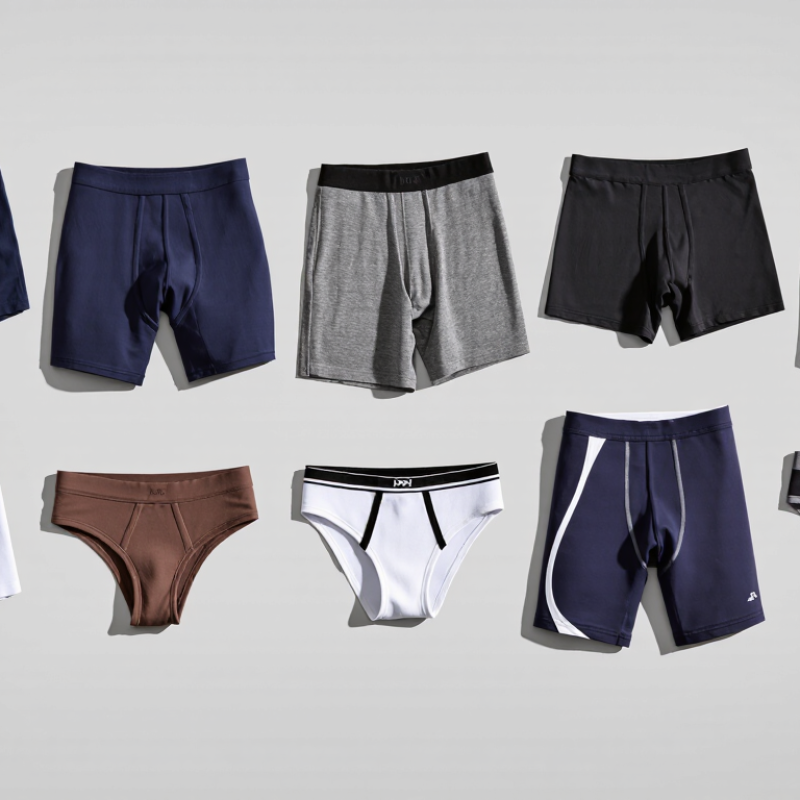
Close-fitting underwear differs in leg length, rise, and coverage, even when the fabric feels similar. Briefs leave the thighs bare and sit securely under slim trousers. Their higher leg openings can feel freeing, though the waistband may show beneath low-rise pants.
Boxer briefs extend down the upper thigh, offering more coverage and helping reduce fabric-to-skin friction during walking. They work well for many daily routines, but a long leg can bunch beneath narrow trousers.
Trunks have shorter legs and usually a squarer shape than boxer briefs. They suit people who want thigh coverage without much extra fabric.
Hipsters sit lower on the hips, with a wider side panel than many briefs. That lower rise can feel comfortable with low-waisted clothing, but the waistband may press if the fit is too tight.
Check the pouch, leg openings, and seams while moving—not just while standing still. A smooth fabric sample can still feel clammy after hours of wear, and size labels vary between makers. The best choice depends on your clothes, movement, and comfort; sometimes the style that looks neat is not the one you reach for tomorrow.
Boxers offer the loosest feel of these three cuts. Their roomy legs work well under relaxed trousers, but extra fabric can bunch beneath slim jeans. Check the leg opening and rise while standing and sitting. Comfort depends on both. A Grand View Research report estimated the global men’s underwear market at USD 39.6 billion in 2023, with projected growth through 2030. That figure covers the wider market, not sales by cut, so it should not be treated as proof that one style is more popular.
Bikinis sit closer to the body, with shorter sides and less leg coverage than boxers. They can suit fitted pants, though a tight waistband may leave marks after a long day. Thongs reduce rear coverage further and minimize visible fabric lines under close-fitting clothes. Look for smooth seams and a secure, non-pinching fit; the smallest cut is not automatically the most comfortable. Fit matters. Fabric matters, too. A breathable, soft-feeling fabric can help, but personal preference still counts more than a product label. Buyers sometimes focus too much on appearance and forget to move around in the garment. That is an easy mistake, and I would not pretend one cut works for everyone.
Jockstraps and compression shorts are designed to keep support close to the body. A jockstrap has a supportive front pouch and straps around the hips, leaving the seat uncovered. That open back can feel cooler under loose clothing or during active movement. Check that the waistband lies flat and the pouch holds comfortably without pinching. A size that feels secure in the fitting room may still shift after hours of wear.
Compression shorts offer fuller coverage, with fabric that hugs the thighs and seat. They can reduce fabric movement beneath sportswear or work trousers. Look for a smooth waistband, flat seams, and leg openings that stay put without digging in. Fabric weight matters; thick material may feel warm, while very light fabric may ride up. Personal comfort varies, and tightness alone does not mean better support.
Tips: Try each style with the clothes you plan to wear. Sit, bend, and walk a few steps. Check for rubbing or numbness, and change sizes if the fit feels restrictive. A small fit issue is easy to overlook at first.
| Underwear Type | Coverage and Fit | Support Profile | Common Uses | Buyer Considerations |
|---|---|---|---|---|
| 1. Boxer Briefs | Close-fitting pouch and thighs, usually with a mid-thigh leg. | Moderate to firm; the fitted cut helps limit fabric movement. | Everyday wear, commuting, and wearing under trousers. | Check leg length and waistband fit to reduce riding up or rolling. |
| 2. Briefs | Full front pouch with high-cut leg openings and no leg fabric. | Direct, close-fitting support with minimal coverage. | Daily wear, fitted trousers, and situations where a short leg is preferred. | A well-sized waistband and pouch are important for comfortable support. |
| 3. Boxer Shorts | Loose cut with a relaxed seat and short legs. | Light; offers room rather than a close hold. | Relaxed daily wear and sleepwear, especially with looser clothing. | Loose fabric can bunch beneath slim or fitted trousers. |
| 4. Trunks | Close-fitting body with short legs, typically shorter than boxer briefs. | Moderate; provides a snug fit with less leg coverage. | Everyday wear and shorter-cut options under fitted clothing. | Short legs may ride up on some body types; compare cuts and inseams. |
| 5. Jockstraps | Front pouch and waistband with rear straps that leave the buttocks uncovered. | Focused front support; some athletic designs are made to hold a protective cup. | Selected sports, activities requiring a cup-compatible design, or personal preference. | Check whether a cup is included or sold separately, and confirm the fit of the straps. |
| 6. Compression Shorts | Close-fitting shorts that cover the upper thighs; length and compression vary. | Snug, body-hugging fit; support depends on the garment's cut and compression level. | Training, sports, and layering under athletic clothing. | Choose a size that feels secure without restricting movement or causing discomfort. |
| 7. Long Underwear | Full-length legs, usually with a close or relaxed fit. | Varies by cut; primarily adds a base layer rather than specialized support. | Cold-weather layering and outdoor activities. | Consider fabric weight, warmth, and how easily it layers beneath trousers. |
| 8. Bikini Briefs | Low-rise waist and high-cut leg openings with limited side coverage. | Close front support with minimal overall coverage. | Everyday wear for those who prefer a low-rise, compact cut. | Check rise and side coverage, which can differ considerably between cuts. |
| 9. Thongs | Front pouch with a narrow rear section and minimal back coverage. | Front support varies by pouch design; rear coverage is minimal. | Personal preference or clothing choices where reduced visible lines are desired. | Fit and fabric comfort are especially important; try a different cut if it shifts or chafes. |
| 10. Thermal Base-Layer Bottoms | Long-leg base layer, available in close-fitting styles for layering. | Generally designed for warmth and coverage, not specialized athletic support. | Cold conditions, outdoor work, and winter activities. | Select a fabric weight suited to the temperature and activity level. |
Fit, support, and coverage vary by cut, fabric, and sizing. For sport-specific protective equipment, follow the activity's safety guidance and the garment's care instructions.
Long underwear extends from the waist to the ankles, adding a warm layer beneath trousers on cold days. That extra length matters. It can help during winter commutes, outdoor tasks, or long hours in a chilly room.
Choose a close fit, not a tight one; loose fabric can bunch behind the knees, while restrictive cuffs may feel uncomfortable under boots. A quick check: sit, bend, and walk before deciding the fit works.
Fabric changes how the layer feels. Cotton can feel soft, but it often holds moisture after sweating. Wool and synthetic fabrics may dry faster, though comfort depends on the weave and your skin. Look for smooth seams and a waistband that stays flat beneath your clothes.
One easy mistake is buying the thickest pair available. In a heated office, that warmth may become too much.
Consider your usual layers and the temperatures you actually face. Long underwear is useful, but not every day calls for it. Sometimes the lighter pair is the better choice.
Briefs leave the thighs bare and sit securely under slim trousers. Boxer briefs cover more of the upper thighs and may reduce rubbing while walking.
Trunks have shorter legs and a squarer shape. They offer some thigh coverage with less fabric, though fit still depends on your movement and clothes.
Their lower rise can work well with low-waisted pants. If the waistband feels tight, it may press against your hips. Check while sitting, too.
Their roomy legs feel relaxed under loose pants, but extra fabric can bunch beneath slim jeans. Try sitting and standing in your usual clothes.
No. They can reduce visible fabric lines, but a secure, smooth fit matters more than minimal coverage. Smallest does not mean best.
Walk, sit, and bend a few times. Watch for rubbing, pinching, numbness, or fabric shifting. A fitting-room check can miss things.
Choose a smooth waistband, flat seams, and leg openings that stay put without digging in. Thick fabric may feel warm; very light fabric may ride up.
Jockstraps have a supportive front pouch and leave the seat uncovered. Compression shorts cover the thighs and seat. Comfort varies, and I might still overlook a small fit issue at first.