
In the world of sports and fitness, the right sports wear can significantly enhance performance. As 2026 approaches, trends are evolving rapidly. Athletes and fitness enthusiasts are looking for gear that combines comfort, functionality, and style. It’s not just about looking good; it’s about feeling good while pushing limits.
Innovative materials are at the forefront. Breathable fabrics gain popularity, keeping athletes cool during intense workouts. Sustainability is also becoming important. Many brands are opting for eco-friendly designs, reflecting a shift in consumer values. However, not every trend meets practical needs. Some styles may look appealing but could hinder movement or comfort.
The importance of selecting suitable sports wear cannot be underestimated. Wearing the right gear affects motivation and overall performance. Athletes should reflect on their choices carefully. While trends can inspire, personal comfort and fit should always take priority. It's about finding the perfect balance in this ever-evolving landscape.
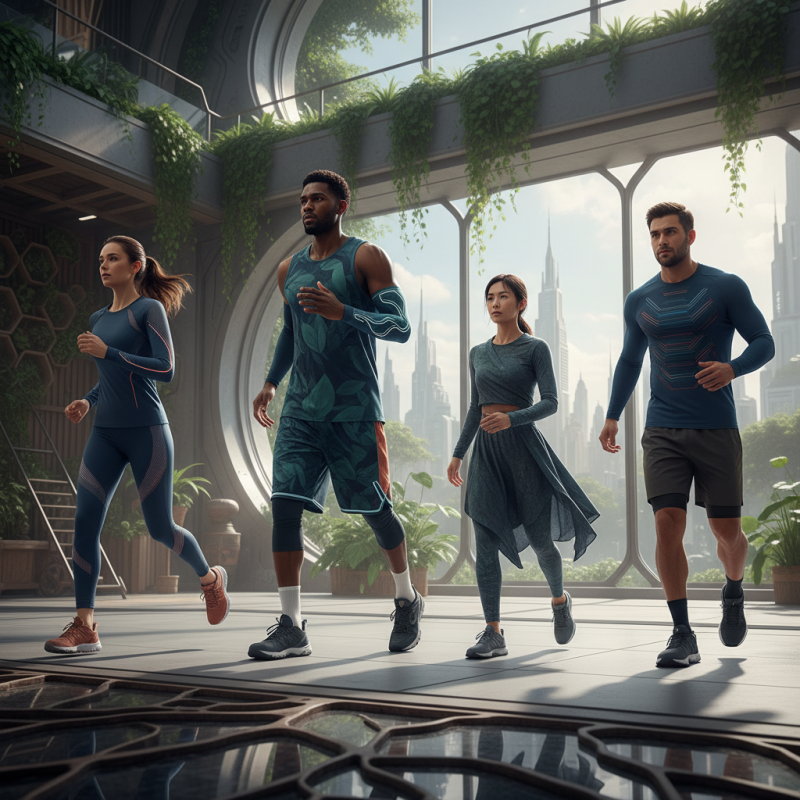
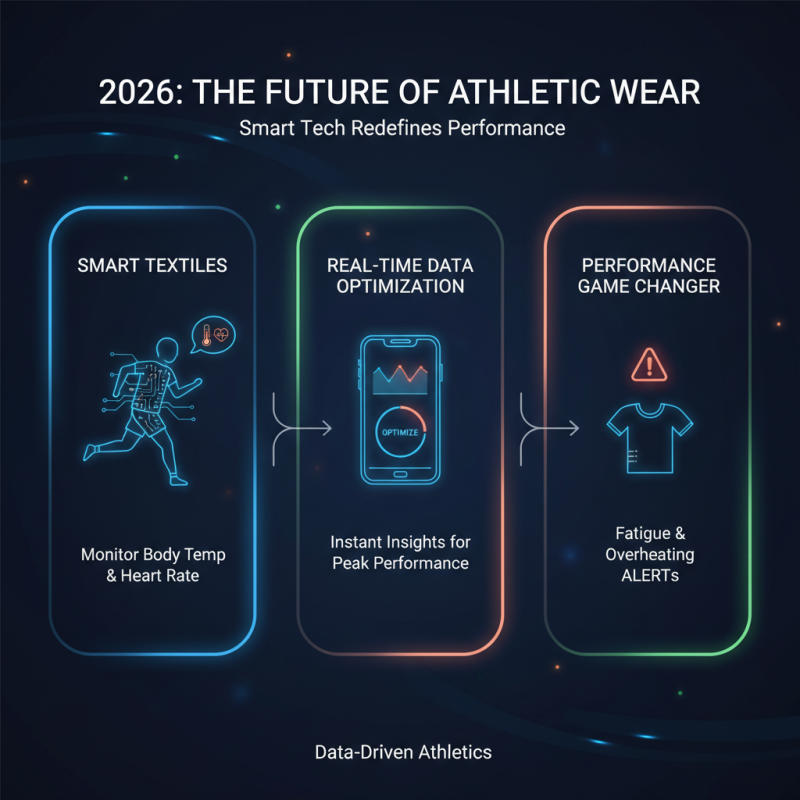
In 2026, sports wear will redefine how athletes perform. Emerging technologies will play a crucial role in this transformation. Smart textiles, capable of monitoring body temperature and heart rate, will become commonplace. These garments will help athletes optimize their performance based on real-time data. Imagine wearing a shirt that signals when your body is overheating or fatigued. It’s a game changer.
Sustainable materials will also gain traction. Eco-friendly fabrics could reduce the environmental impact of sports wear. Athletes and consumers alike are becoming more conscious of sustainability. However, the challenge remains. Finding a balance between performance and environmental responsibility is complex. Many designs may still rely heavily on synthetic materials. This could hinder the true potential of sustainability in sports wear.
Innovative designs will emerge, incorporating 3D printing technology. Custom-fitted gear could enhance comfort and improve performance. But, there are questions. How accessible will these technologies be for everyday athletes? Will the focus shift entirely to high-tech solutions? These uncertainties linger, pushing for ongoing discussions within the fitness community.
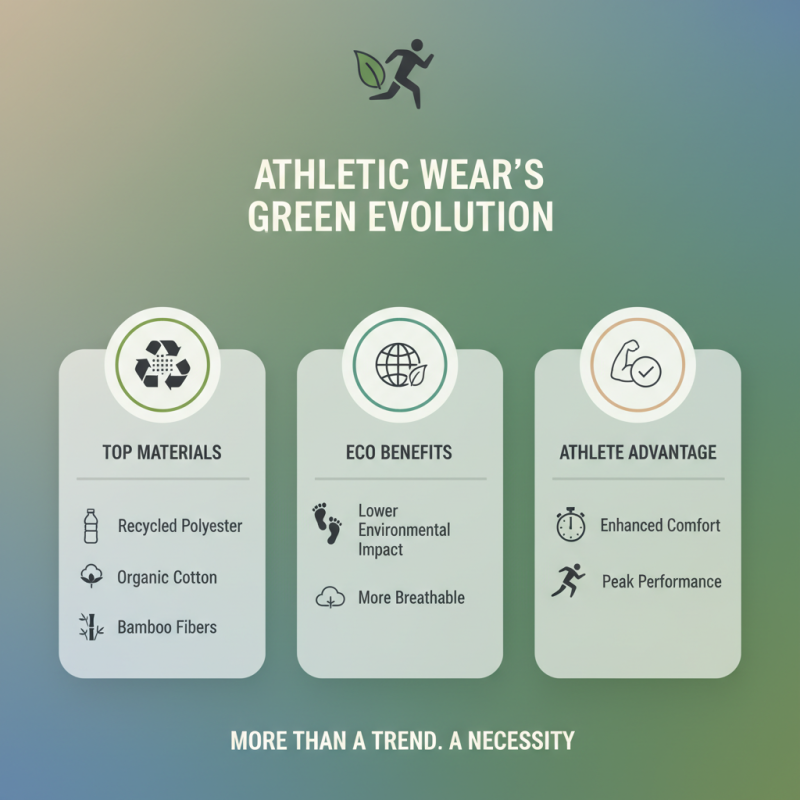
The shift towards sustainable materials in athletic wear is more than a trend. Athletes and fitness enthusiasts are now seeking eco-friendly options. Recycled polyester, organic cotton, and bamboo fibers are gaining attention. These materials have a lower environmental impact and are often more breathable. They can enhance comfort during intense workouts.
Yet, the shift is not entirely flawless. Often, these sustainable options come with higher costs. Many are hesitant to make the change based solely on price. The performance of sustainable fabrics can vary. Some are still experimenting with durability over time. Additionally, there's a lack of standardized regulations in the industry. This creates confusion for consumers trying to make informed choices.
As the conversation around sustainability grows, innovation is vital. The industry needs to prioritize R&D for effective solutions. Many brands are exploring plant-based alternatives in fibers. Collaboration may lead to improved methods for recycling and waste reduction. Future trends promise to be exciting yet challenging. Achieving balance in performance, cost, and sustainability will require critical reflection and regular adjustments.
Design trends in fitness apparel are constantly evolving. Athletes now seek functionality blended with style. Materials are key. Fabrics that wick away sweat are essential. Breathable mesh inserts are popular for ventilation. However, not all fabrics withstand tough workouts. Some wear out too quickly, causing frustration.
Color patterns also play a significant role. Bold colors catch eyes and boost motivation. Yet, some prefer muted tones for a more understated look. Additionally, sustainability is influencing choices. Eco-friendly materials are on the rise. Many want to feel good about their purchases, but options can be limited. It raises questions about the balance between ethics and performance.
Fit and comfort are paramount. Tight or too loose garments can hinder movement. Athletes strive for designs that support their movements. Some garments fall short in this area, leading to discomfort during workouts. Reflecting on these aspects leads to better choices. Finding the right balance in design is crucial for success.
In 2026, athletes and fitness enthusiasts face a challenge in choosing their sportswear. The debate between functionality and aesthetics remains significant. According to industry reports, 70% of consumers prioritize comfort and performance over style. However, with rising fashion consciousness, the balance is delicate. Athletes want gear that enhances their performance but also looks good off the field.
Many brands are now experimenting with innovative materials. These new fabrics provide breathability while maintaining a sleek design. Still, the importance of visual appeal cannot be ignored. Reports show that 65% of consumers feel motivated to exercise more when wearing stylish gear. This creates a paradox: high-performance apparel must also look good to keep users engaged.
Tips: Focus on multi-functional pieces. Look for items that transition well from workout to casual wear. Don’t shy away from bold colors or patterns—they can boost your confidence. While performance is key, consider what makes you feel good about your appearance. Reflect on your wardrobe. Is it functional but lacking style? Adjusting your choices can make a significant difference.
The sportswear industry is evolving rapidly in 2026. Various brands are leading the way with innovative designs. These changes are not just about aesthetics; they also focus on performance and sustainability. Athletes are seeking gear that enhances their training and competition experiences.
One emerging trend is the use of smart fabrics. These materials respond to body temperature and movements. They can keep athletes dry and comfortable during workouts. However, the technology is not perfect yet. Users report occasional discomfort, which may require adjustments in fit or sizing.
Another trend involves eco-friendly production processes. Brands are exploring recycled materials and sustainable practices. While this is a step in the right direction, the industry still grapples with inconsistent quality. Athletes may find that some products do not meet performance expectations.
Tips for athletes: Always test your gear before important events. Check the fit and comfort level during various activities. Choose materials that suit your needs, especially for long sessions. Remember to stay informed about emerging trends to make the best choices.
| Trend | Key Features | Materials Used | Target Audience |
|---|---|---|---|
| Sustainable Fabrics | Eco-friendly, Breathable, Moisture-wicking | Recycled polyester, Organic cotton | Eco-conscious athletes, Fitness enthusiasts |
| Smart Wearables | Real-time tracking, Health monitoring, Adjustable fit | Conductive textiles, Lightweight polymers | Tech-savvy athletes, Fitness enthusiasts |
| Athleisure Style | Versatile, Stylish, Comfortable for all-day wear | Cotton blends, Stretch fabrics | Everyday users, Casual athletes |
| Enhanced Support Gear | Compression fit, Enhanced mobility, Injury prevention | Nylon blends, Spandex | Serious athletes, Rehabilitation patients |
| Weather-Resistant Gear | Waterproof, Windproof, Breathable | Water-repellent fabrics, Synthetic materials | Outdoorsy athletes, Adventurers |