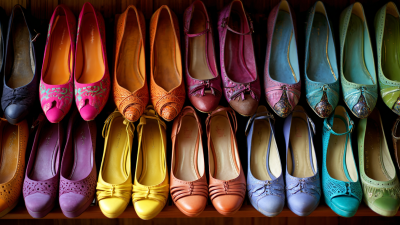
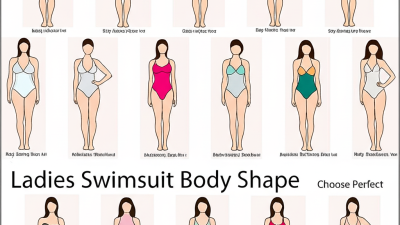
2026 How to Choose Girls Shoes for Global Buyers?
In 2026, global buyers need more than attractive product photos when selecting girls shoes. They must connect design, comfort, safety, sizing, and supply reliability. A successful purchase begins with the child’s real environment. School shoes may face polished floors, rainy sidewalks, or long commutes. Sandals need airflow, while winter boots need insulation without excessive weight. These details change by market.
Experienced buyers should request clear size charts, insole measurements, material specifications, and recent sample photos. A soft lining, rounded toe, flexible sole, and secure fastening can improve daily comfort. Yet appearance can hide weaknesses. Check glue marks, rough seams, loose decorations, heel stability, and outsole grip during inspection. Ask suppliers about production capacity, lead times, packaging, quality checks, and traceable documentation. Independent testing may be appropriate for materials, small components, and performance claims, depending on the destination market. Requirements differ across countries, so local professional advice remains valuable.
Reliable sourcing also means evaluating communication. Can the supplier explain defects honestly? Can they repeat the approved sample? Can they respond when colors or measurements drift? No supplier is perfect. Buyers can miss details too. A thoughtful review process leaves room for correction, not just negotiation. This guide explores how to compare girls shoes across price, function, seasonal demand, and customer expectations. It supports practical decisions, while recognizing that a low price may become expensive after returns, delays, or disappointing wear.
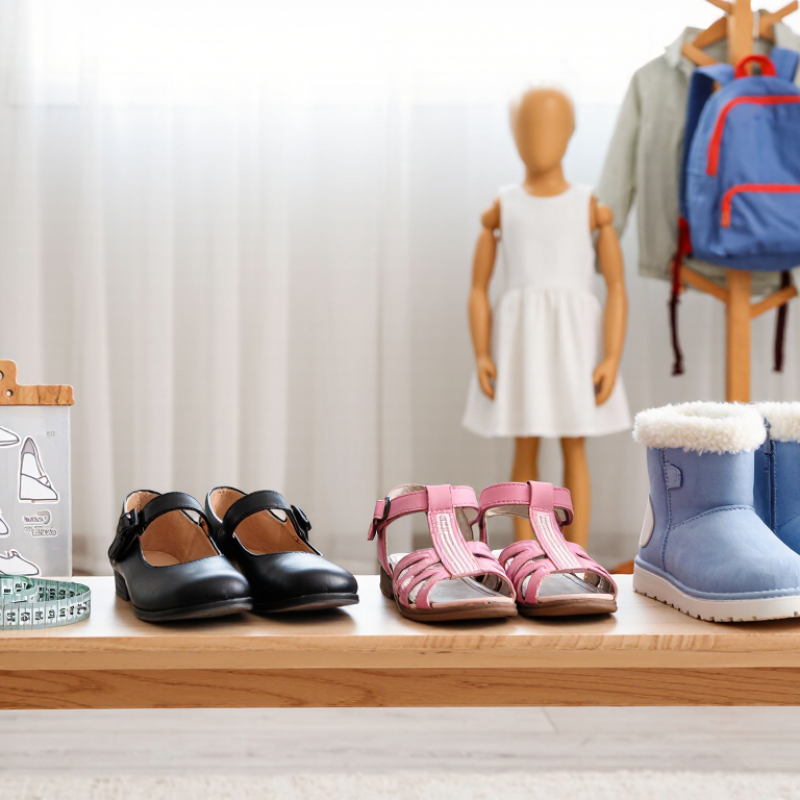
Understanding Girls’ Shoe Needs Across Global Markets
Choosing girls’ shoes for global markets requires more than converting sizes. Children’s feet vary by age, region, width, and daily routine. A lightweight sandal may suit a warm coastal city, while insulated boots fit colder areas. School requirements also differ. Some children need flexible shoes for long walks, while others need polished styles for formal uniforms.
Measure length and width separately. Do not rely on age alone. Use both local sizing and a clear centimeter chart. Include room for natural movement, but avoid oversized shoes that cause slipping.
Materials matter too. Breathable uppers help in humid climates, while water-resistant finishes support rainy regions. During product reviews, examine stitching, sole grip, heel stability, and easy fastening.
Document wear tests from local children and record complaints honestly. No sizing chart is perfect. It may need adjustment.
Tips: Ask buyers about climate, school rules, and walking distance. Offer width guidance with simple diagrams. Check regional size conversions with experienced local partners. Review return data every season. A high return rate may reveal poor fit, not poor demand. Keep testing across markets, because one successful sample does not prove universal comfort. Feedback can be inconvenient. It is still valuable.
Choosing the Right Shoe Type for Different Ages and Activities
How to Choose Girls Shoes for Global Buyers in 2026
Choosing the Right Shoe Type for Different Ages and Activities
Age should guide shoe selection, but it should not decide everything. Toddlers need flexible soles, rounded fronts, and secure fasteners. Their feet grow quickly, so check the fit every few months. Leave about one centimeter of space beyond the longest toe. Too much room can cause slipping.
Preschool girls often need shoes for playgrounds, classrooms, and short walks. Choose lightweight sneakers with breathable uppers and firm heel support. For school uniforms, simple flats may work, but they should bend near the toes. Avoid stiff materials that create red marks after active play. Small details matter.
Older girls usually need different pairs for daily wear, sports, rain, and formal events. Running shoes require cushioning and strong grip, while dance shoes need controlled flexibility. Sandals should hold the heel securely, especially on uneven streets. Boots need enough calf space for comfortable movement. Weather changes by region, so global buyers should compare local temperatures, rainfall, and common surfaces.
Measure both feet late in the day. Feet can swell slightly. Use the larger measurement when sizes differ. A size chart is helpful, but it is not perfect. I have seen children wear the “correct” size and still feel uncomfortable because foot width was ignored. Materials, seams, and closure design also affect the experience. Ask suppliers for interior measurements, weight, and product testing details before placing large orders.
Matching Sizes, Fit Standards, and Cultural Preferences
2026 How to Choose Girls Shoes for Global Buyers?
Choosing girls’ shoes begins with measurements, not age labels. A seven-year-old may need a different size across markets. Measure both feet in the afternoon, when swelling is slightly greater. Record heel-to-longest-toe length and foot width in millimeters. Add a small comfort allowance, but avoid excessive space that causes slipping. Size charts should show actual foot measurements, not only regional numbers.
Fit standards also vary by shape. Some markets prefer narrow, structured shoes, while others expect wider toe boxes. Check heel grip, arch support, flexible soles, and breathable linings. Test sample shoes with the socks children usually wear. Walk on smooth and textured floors. I once relied too heavily on age-based sizing, and the result was uncomfortable. That mistake still shapes my checking process.
Tips: Ask buyers for local size data and return reasons. Compare at least three measurement records before confirming production. Consider climate, school customs, and cultural preferences. Light-colored shoes may suit formal settings, while darker pairs can handle daily dust. Decorations should stay secure and remain comfortable during movement. Preferences differ within the same country, so avoid treating one survey as universal. A practical fit review should include parents, children, and experienced footwear technicians. Small details matter.
2026 How to Choose Girls Shoes for Global Buyers?
Matching sizes, fit standards, and cultural preferences
How to read the chart: Measure the child’s longest foot in centimeters, then plan approximately 10–15 mm of additional internal shoe length for movement and growth. The recommended internal length is calculated directly from the measured foot length plus this allowance.
Global buying note: EU, US, UK, and other size labels are not perfectly interchangeable. ISO 19407 provides size-conversion guidance, but actual fit can vary by manufacturer, shoe shape, width, and construction. Always compare the child’s foot length with the supplier’s own size chart.
Cultural and market preferences: Buyers may prefer different toe shapes, width options, fastening systems, colors, and seasonal materials. These preferences should be evaluated separately from length sizing because they do not change the measured foot length.