2026 Top Guide How to Spot a Fake Supreme Bag?
The 2026 Top Guide How to Spot a Fake Supreme Bag begins with one practical truth: authentication requires patience, comparison, and documented evidence. A Supreme bag may look convincing in a quick photograph. Small inconsistencies often appear under closer inspection.
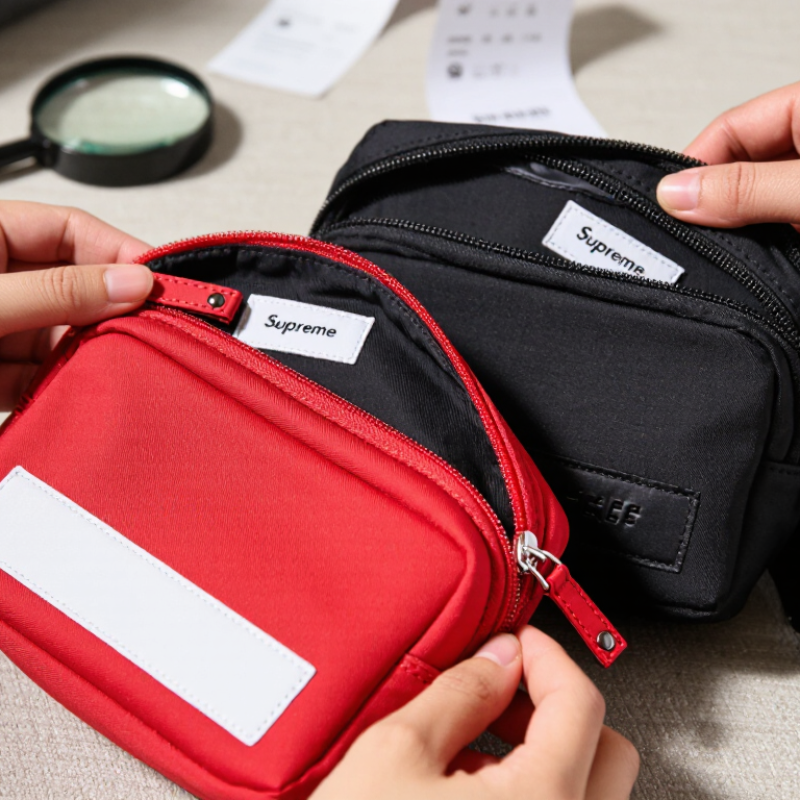
Authentication educator Ch. of Legit Check By Ch. explains, “One detail alone cannot prove authenticity; the whole item must make sense.” That principle matters when examining a Fake Supreme Bag. Check the logo’s letter spacing, label stitching, fabric weight, zipper movement, and print alignment. Compare these details with trusted images from the same collection and release period. A clean logo does not guarantee a genuine bag.
Look closely at the seams. Uneven thread tension, loose ends, or flattened corners can indicate careless production. Examine the interior label, too. Its placement, font, and stitching should match verified examples. A receipt may support a purchase history, but it is not conclusive proof.
Seller photographs can hide flaws.
Request close images of the label, zipper, seams, and interior. Avoid relying on a single dramatic clue. Even experienced reviewers can miss a rushed stitch, especially when lighting changes the material’s color. I would also challenge my first impression. Familiarity can create overconfidence.
This guide focuses on careful observation, transparent sourcing, and sensible uncertainty. When evidence remains incomplete, the responsible answer is not a confident guess. It is to pause, compare more examples, and seek an independent professional assessment.
Understanding Supreme Bag Models, Releases, and Common Counterfeits
Understanding Bag Models, Releases, and Common Counterfeits
Identifying an authentic streetwear bag starts with knowing its model and release period. Common shapes include shoulder bags, backpacks, waist packs, and compact pouch styles. Each version may use different fabric, lining, hardware, and label placement. Compare the bag with the manufacturer’s published product images. Pay attention to pocket angles, strap width, and the spacing between letters.
I inspect stitching under bright light. Even rows usually indicate better production control, while loose threads deserve attention. The zipper should move smoothly without scraping. Printed graphics need sharp edges, consistent color, and balanced alignment. Labels should feel firmly attached, not thin or poorly trimmed. A strong chemical smell can also signal low-quality materials, though it is not proof by itself.
Release history matters. Check whether the color, pattern, and hardware combination existed during the stated season. Seller photos should show the interior, care label, corners, and fastening details. Ask for a dated receipt when possible, and keep written records of the purchase. I once trusted a familiar-looking logo and ignored uneven stitching. That was careless. No single detail proves authenticity. Compare several features, use a reputable verification service, and avoid rushed decisions based only on rarity or a low price.
2026 Top Guide: How to Spot a Fake Bag?
Common counterfeit indicators ranked by practical inspection priority.
Start with construction details that are difficult for counterfeiters to reproduce consistently. Inspect stitching, label typography, zipper quality, material, print alignment, hardware finishing, and packaging together rather than relying on one feature alone. The scores represent a practical review priority, not the percentage of counterfeit items found in the market.
Examining Materials, Hardware, Tags, and Packaging
When checking a collectible streetwear bag, I start with the material, not the logo. Genuine fabric usually feels dense, even, and purposeful. Run your fingers across the surface. Loose threads, thin coating, or a strong chemical smell deserve attention. Stitching should follow a steady rhythm, with clean corners and no sudden gaps. A real item can still show minor factory variation. That detail matters.
Next, inspect the hardware under bright, neutral light. Zippers should move smoothly without scraping or catching. Metal parts often have consistent weight, finish, and engraving depth. Uneven plating can be a warning, but lighting may distort color. Check the interior tag, care label, font spacing, and attachment method. Compare them with verified photographs from the same release period. Do not judge from font alone. I once trusted a crisp label and missed a poorly aligned seam. That mistake changed my process.
Packaging offers useful evidence, but it is not proof. Examine the bag, tissue, stickers, hangtags, and printed details. Thin paper, blurry printing, or mismatched colors may indicate careless reproduction. Still, packaging can be replaced, lost, or changed between production batches. Record measurements and close-up photos before deciding. If several details conflict, pause and seek an independent specialist or trusted retailer’s assessment. Certainty takes patience. No single clue should carry the whole decision.
Comparing Provenance, Seller Information, and Purchase Records
When checking a pre-owned designer-style bag in 2026, provenance should guide your first questions. Ask where it was bought, when, and by whom. A consistent story matters more than polished photographs. Request original purchase records, including a dated receipt, order confirmation, or store-issued service document. Match the item’s color, size, and condition with the paperwork. Small mismatches can reveal careless listing details. Still, records can be incomplete. That does not prove the bag is fake.
Study seller information with the same care. Look for a verifiable business name, clear contact details, return terms, and detailed product descriptions. Sellers who avoid direct questions deserve caution. Ask for close images of stitching, labels, hardware, corners, and interior wear. Compare those images with the claimed purchase record. In my own checks, vague answers often created more concern than visible wear. I once trusted a neat receipt too quickly. The seller’s timeline later seemed inconsistent.
Purchase records should form a traceable chain, not a single impressive page. Check whether the buyer name, transaction date, product description, and payment details align. Redacted information is understandable, but excessive editing weakens confidence. Independent authentication can add useful expertise for expensive items. Choose a service that explains its method and preserves image records. No review is perfect. Keep messages, invoices, and photos together before paying. A careful decision may take longer than expected.
Using Expert Authentication Services and Handling Suspected Fakes
2026 Top Guide: How to Spot a Fake Designer Bag
A genuine bag usually shows consistent stitching, precise alignment, clean edges, and hardware with a balanced finish. Check the label, interior seams, measurements, and material texture under bright, natural light. Small differences matter. However, visual inspection alone can mislead even experienced collectors. I have seen convincing bags pass casual checks because lighting hid uneven embossing or softened stitching. That is why professional authentication services remain valuable. Choose an independent provider with trained specialists, published methods, secure data handling, and clear evidence in its report. Reliable services compare construction details with verified reference examples, not just one photograph. Ask whether the review includes multiple images and whether a second opinion is available.
Tips: Photograph every angle, including the label, zipper, lining, corners, and packaging. Keep purchase records and messages. Do not alter, clean, or repair the bag before inspection. If an expert identifies concerns, pause the transaction and save the written assessment. Contact the marketplace or seller through its official process, using factual language and attached evidence. Avoid public accusations based on a quick opinion. A mistake is possible, especially when limited editions or older materials are involved. In uncertain cases, request another qualified review and record what remains unresolved.