

2026 Top Long Sleeve Styles for Global Buyers

For global buyers, Long Sleeve apparel is moving beyond basic coverage. It now combines comfort, seasonal flexibility, and clearer product identity. Trend forecaster Li Edelkoort once said, “Fashion is a reflection of the times.” That observation matters in 2026, when buyers are balancing practical demand with visual distinction.

This guide examines the leading Long Sleeve styles expected to influence international sourcing. Lightweight ribbed tops suit transitional weather and compact retail displays. Brushed cotton jerseys offer softness for everyday collections. Fine merino layers serve premium customers seeking warmth without heavy bulk. Technical stretch fabrics are also gaining attention, especially for travel, outdoor movement, and active lifestyles. Sheer panels, elongated cuffs, relaxed shoulders, and refined polo collars add detail without excessive production complexity.

Details matter.

Experienced buyers should inspect fabric recovery, seam strength, shrinkage, and color consistency before placing large orders. A sleeve can look elegant in a sample but twist after washing. That risk is easy to underestimate. Global collections also require careful attention to fiber labeling, size grading, care instructions, and destination-market requirements. These elements support reliable purchasing and reduce avoidable disputes.

The market is not perfectly predictable. Some oversized shapes may lose momentum faster than expected. Bright seasonal colors could also leave excess inventory when customer preferences change. Therefore, a balanced assortment may work better than a single trend-heavy investment. The following overview considers commercial value, material performance, styling potential, and practical sourcing concerns for buyers planning their 2026 Long Sleeve collections.
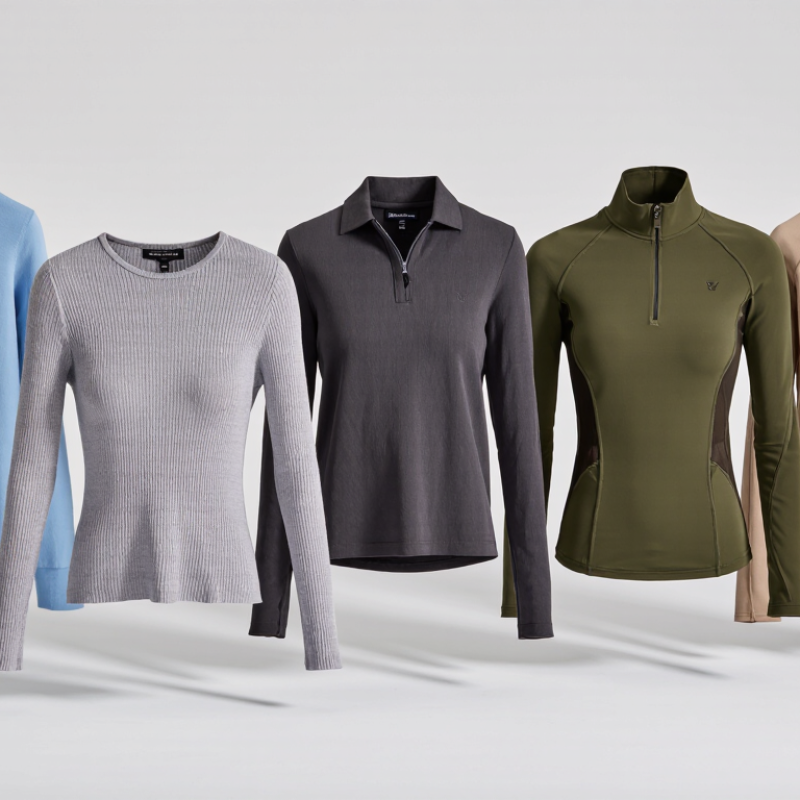
2026 Top Long Sleeve Styles for Global Buyers

2026 Long Sleeve Style Landscape and Buyer Priorities

2026 Top Long Sleeve Styles for Global Buyers

2026 Long Sleeve Style Landscape and Buyer Priorities

The 2026 long sleeve market is moving toward adaptable, seasonless products. Buyers increasingly want shirts that layer under jackets or work alone indoors. The State of Fashion 2025, published by McKinsey and The Business of Fashion, expects low single-digit fashion growth. This cautious outlook makes flexibility more valuable than excessive style changes.

Lightweight jersey remains commercially practical. Ribbed cuffs, relaxed sleeves, and breathable cotton blends support wider climate use. Textile Exchange’s Materials Market Report 2024 states that global fiber production reached 124 million tonnes in 2023. It may reach 160 million tonnes by 2030. Buyers should therefore examine fiber origins, recycled content, and finishing processes, not only fabric prices.

Details matter at retail level. Buyers are requesting soft textures, muted earth tones, compact packaging, and durable stitching. UV-protective fabrics and moisture control may suit travel and outdoor commuting. However, these claims require laboratory verification. Not every “performance” label deserves trust. That is an uncomfortable gap.

In supplier reviews, we recommend testing shrinkage after repeated washing, sleeve recovery, seam strength, and colorfastness. Small failures become expensive returns. Size consistency also deserves attention across regions, because grading standards can differ. Some buyers may overvalue novelty. Practical wear often wins. Pricing, compliance records, lead times, and transparent material documentation will shape purchasing decisions more strongly in 2026.

Core Long Sleeve Categories Shaping Global Demand

Global buyers are reshaping long sleeve demand around three practical categories: everyday jersey, refined knitwear, and performance base layers. Cotton-rich jersey remains important for breathable daily wear. Lightweight rib tops also support layering across climates. According to Textile Exchange’s Materials Market Report 2024, global fiber production reached 124 million tonnes in 2023. This scale increases scrutiny of fiber choices, durability, and sourcing evidence.

Performance long sleeves are gaining attention in travel, outdoor work, and active lifestyles. Buyers now examine moisture management, stretch recovery, odor control, and UPF claims.

The Global Wellness Institute reported that the global wellness economy reached $6.3 trillion in 2023. That growth supports demand for clothing linked to comfort and daily movement.

Yet performance demand is not unlimited. Some buyers may reject technical fabrics when prices rise or care instructions become difficult. Forecasts are useful, but they are not promises.

Tips: Build a balanced range. Offer a 180–220 GSM jersey, a soft midweight knit, and a lightweight technical layer. Test pilling after repeated washing. Check seam comfort at the wrist and neck. Request fiber certificates and laboratory reports before using sustainability claims. The European Environment Agency has highlighted textiles’ significant environmental pressures, so vague claims can weaken buyer trust. Color forecasts can still miss local preferences. Leave room for regional testing.

Fabrics, Fits, and Functional Features by Style

2026 Top Long Sleeve Styles for Global Buyers

Fabrics, Fits, and Functional Features by Style

Long sleeve styles in 2026 are becoming more practical and climate-aware. Lightweight cotton blends suit mild cities and daily layering. Recycled polyester offers quick drying for travel, outdoor work, and changing weather. Merino blends regulate temperature well, but they require careful washing and may exceed some target budgets. For humid markets, buyers should test breathability, seam comfort, and colorfastness before placing large orders.

Fit changes the product’s purpose. A relaxed silhouette works over T-shirts and supports movement. A regular fit looks cleaner for office and uniform programs. Slim cuts can appeal to fashion-focused buyers, but they may restrict larger body types. Functional details matter too. Thumbholes improve coverage, while zip pockets protect cards and keys. Flat seams reduce rubbing during long wear. Reflective trims help low-light visibility, yet they can affect the final cost and appearance.

Tips: Request fabric swatches and sample sizes from several production batches. Check shrinkage after washing, not only before shipment. Measure sleeve length on at least three body profiles. Ask for test records covering pilling, color transfer, and seam strength. A practical detail can fail in real use. That is why buyer feedback should influence the next revision.

2026 Top Long Sleeve Styles for Global Buyers - Fabrics, Fits, and Functional Features by Style

Long Sleeve Style Typical Fabric Composition Common Fabric Weight Recommended Fit Key Functional Features Best-Suited Climate or Season Typical End Use Buyer Considerations
Classic Long Sleeve T-Shirt 100% cotton or cotton-rich jersey, commonly with 5–40% recycled polyester 150–220 g/m² Regular or modern relaxed Ribbed cuffs, taped neck seam, pre-shrunk finish, easy-care construction Mild weather, layering, and transitional seasons Casualwear, uniforms, promotional apparel, and private-label basics Check shrinkage, colorfastness, fabric hand feel, and print compatibility
Heavyweight Oversized Tee 100% combed cotton, compact cotton, or cotton-polyester jersey 220–300 g/m² Oversized with dropped shoulders Reinforced shoulder seams, wide rib cuffs, structured neckline, durable shape retention Cool seasons and streetwear layering Streetwear, youth fashion, graphic apparel, and unisex collections Allow for higher fabric consumption and confirm dimensional stability after washing
Thermal Waffle Top Cotton-polyester thermal knit, often 60–80% cotton with synthetic fibers 220–320 g/m² Close-to-body or regular fit Textured thermal cells, moisture movement, stretch cuffs, insulating air pockets Autumn, winter layering, and cool indoor environments Base layers, casualwear, workwear layering, and outdoor lifestyle apparel Balance warmth and bulk; test pilling and recovery after repeated laundering
Long Sleeve Polo Shirt Cotton piqué, cotton-polyester piqué, or polyester performance knit 180–240 g/m² Regular or tailored fit Flat-knit collar, button placket, cuffed sleeves, optional moisture management Year-round layering and moderate climates Business casual, hospitality, schoolwear, service uniforms, and golf-inspired apparel Specify collar height, placket durability, color matching, and embroidery performance
Henley Long Sleeve Cotton jersey, slub cotton, or cotton-modal blend 160–240 g/m² Relaxed or lightly shaped fit Two- to four-button placket, reinforced placket base, ribbed cuffs, soft hand feel Transitional seasons and casual layering Lifestyle casualwear, work-leisure collections, and heritage-inspired ranges Review placket alignment, button security, twisting, and seam durability
Long Sleeve Rugby Shirt Heavy cotton jersey, cotton-polyester jersey, or piqué knit 240–340 g/m² Relaxed, boxy, or athletic regular fit Twill collar, rubber buttons, reinforced side vents, contrast panels, rib cuffs Cool weather and durable casualwear Sport-inspired fashion, campuswear, casual uniforms, and team merchandise Confirm panel color consistency, collar construction, and abrasion resistance
Performance Base Layer Polyester or polyamide with elastane, typically 5–15% stretch fiber 120–190 g/m² Close or athletic fit Moisture-wicking finish, four-way stretch, flat seams, quick drying, odor-control option Sport, travel, outdoor activity, and variable temperatures Running, cycling, hiking, gymwear, workwear base layers, and team sports Validate stretch recovery, colorfastness, pilling, seam comfort, and test-method claims
Sun Protection Shirt Lightweight polyester, nylon, or recycled synthetic blend with elastane 100–170 g/m² Relaxed or athletic fit UPF-rated fabric, quick drying, breathable panels, thumb loops, high neck option Hot, sunny, humid, and high-altitude environments Fishing, hiking, beachwear, travel, outdoor work, and resort collections Use verified UPF testing; note that coverage, fabric condition, and fit affect protection
Quarter-Zip Training Top Polyester interlock, double-knit, or polyester-elastane stretch fabric 180–280 g/m² Athletic or regular fit Quarter zipper, chin guard, stand collar, thumbholes, reflective trims, moisture management Cool-weather training and travel Fitness, running warm-ups, school sports, corporate activewear, and travel apparel Test zipper operation, seam stretch, snag resistance, and reflective trim durability
Long Sleeve Flannel Overshirt Brushed cotton flannel or cotton-polyester woven fabric 150–260 g/m² Relaxed or layered overshirt fit Brushed surface, chest pockets, snap or button closure, reinforced yoke, adjustable cuffs Autumn, winter layering, and cool evenings Casualwear, outdoor lifestyle, workwear-inspired fashion, and travel collections Check fabric pilling, pattern matching, color bleeding, and post-wash shrinkage
Merino Wool Long Sleeve Merino wool or merino-blend yarn with nylon or recycled synthetic reinforcement 150–220 g/m² Slim or regular base-layer fit Temperature regulation, odor resistance, moisture buffering, flat seams, soft neckline Variable climates, travel, hiking, and cold-weather layering Premium outdoor apparel, travel essentials, ski layering, and minimalist basics Specify fiber diameter, blend ratio, care instructions, and resistance to abrasion and shrinkage
Long Sleeve Mock Neck Cotton rib, viscose blend, modal jersey, or fine-gauge wool blend 180–280 g/m² Slim or close fit Stretch neckline, soft brushed interior option, sleeve thumbholes, low-bulk layering profile Autumn and winter layering Contemporary fashion, office layering, travel wardrobes, and elevated basics Evaluate neckline recovery, opacity, torque, and comfort during extended wear
Utility Long Sleeve Shirt Cotton twill, cotton-nylon blend, ripstop, or stretch woven fabric 160–260 g/m² Regular, relaxed, or articulated workwear fit Multiple pockets, pen slot, reinforced elbows, roll-up sleeve tabs, durable buttons Mild to cool conditions and active outdoor work Workwear, gardening, travel, outdoor retail, and functional lifestyle collections Prioritize pocket load capacity, seam strength, wash durability, and freedom of movement

Note: Fabric weights, fiber blends, fits, and functional specifications are common industry ranges and should be confirmed through product development samples, laboratory testing, and applicable market requirements.

Regional Preferences and Market-Specific Adaptations

2026 Top Long Sleeve Styles for Global Buyers

Regional Preferences and Market-Specific Adaptations

Long sleeve demand is becoming more regional in 2026. Buyers in Northern Europe often prefer thermal jersey, brushed interiors, and muted earth tones. These styles suit colder commutes and layered office dressing. In Southeast Asia, lightweight cotton blends perform better. Breathable panels and loose cuffs help reduce discomfort in humid cities. Some buyers still request heavier fabrics, but sales data may not support that choice.

The Middle East shows steady interest in modest silhouettes with clean lines. Longer hems, opaque fabrics, and relaxed sleeves improve everyday comfort. However, excessive layering can feel impractical in warm indoor environments. In North America, buyers often favor versatile crewnecks, half-zips, and work-ready long sleeve shirts. Reinforced elbows and stain-resistant finishes add functional value for active customers.

East Asian markets frequently respond to compact proportions, soft stretch, and refined collar details. Neutral colors remain reliable, while controlled seasonal shades create freshness. Our sourcing reviews suggest that fabric handfeel can influence repeat orders more than decorative graphics. Yet regional assumptions can fail. A design tested in one city may perform poorly elsewhere. Small pilot orders, local fit checks, and climate-based fabric trials provide more dependable guidance than broad trend reports. Waist width, sleeve length, and packaging should also reflect local retail habits.

Sourcing, Quality Standards, and Buyer Evaluation Criteria

2026 Top Long Sleeve Styles for Global Buyers

For global buyers, long sleeve sourcing starts with the use case, not the trend board. In 2026, practical styles include heavyweight crewnecks, relaxed overshirts, ribbed base layers, and lightweight sun-covering tops. Each style needs a different fabric plan. A 280 GSM cotton blend may suit a sweatshirt, while a 160 GSM jersey supports warmer markets. Ask suppliers for fiber percentages, fabric weight, shrinkage results, and colorfastness records. Request measurements after washing. Small differences become expensive at scale.

Fit matters. Buyer evaluation should cover shoulder width, sleeve length, cuff recovery, seam strength, and twisting after laundering. Inspect samples under natural light and compare them with the approved measurement chart. Check the details. Look for uneven stitching, needle holes, loose threads, puckering, and inconsistent rib tension. A reliable supplier should provide material records, production timelines, inspection procedures, and clear corrective actions. Factory communication also matters, especially when specifications cross languages and time zones.

Packaging and labeling must match the destination market’s requirements. Confirm carton strength, folding methods, size markings, and traceability codes before mass production. A pre-production sample is useful, but it cannot reveal every factory mistake. This is where buyers need disciplined inspections at several stages. One common weakness is overvaluing a low quotation. The cheaper option may hide weaker yarn, unstable dye, or poor finishing. I would also question perfect inspection reports; real production usually contains small variations. Those variations need measurement, discussion, and documented approval.

Go to Top