Why Choose Antibacterial Fabric for Your Next Purchase?
Antibacterial Fabric has become a popular choice for consumers seeking safety and comfort in their daily lives. This innovative material offers protection against harmful bacteria, keeping clothing and textiles cleaner for longer. As more people become aware of germs and their impact on health, the demand for Antibacterial Fabric is rising.
Choosing the right fabric can be overwhelming. Many options promise various benefits. Yet, Antibacterial Fabric stands out due to its unique properties. It not only combats odors but also inhibits bacterial growth. Imagine wearing activewear that stays fresh even after an intense workout. This feature can enhance your confidence and well-being.
While Antibacterial Fabric offers significant advantages, some consumers should note the differences in quality. Not all fabrics provide the same level of protection. Researching brands and understanding the technology behind them is essential. Investing in reliable products can ensure both safety and durability. As we navigate this evolving world, Antibacterial Fabric presents a compelling option for a healthier lifestyle.
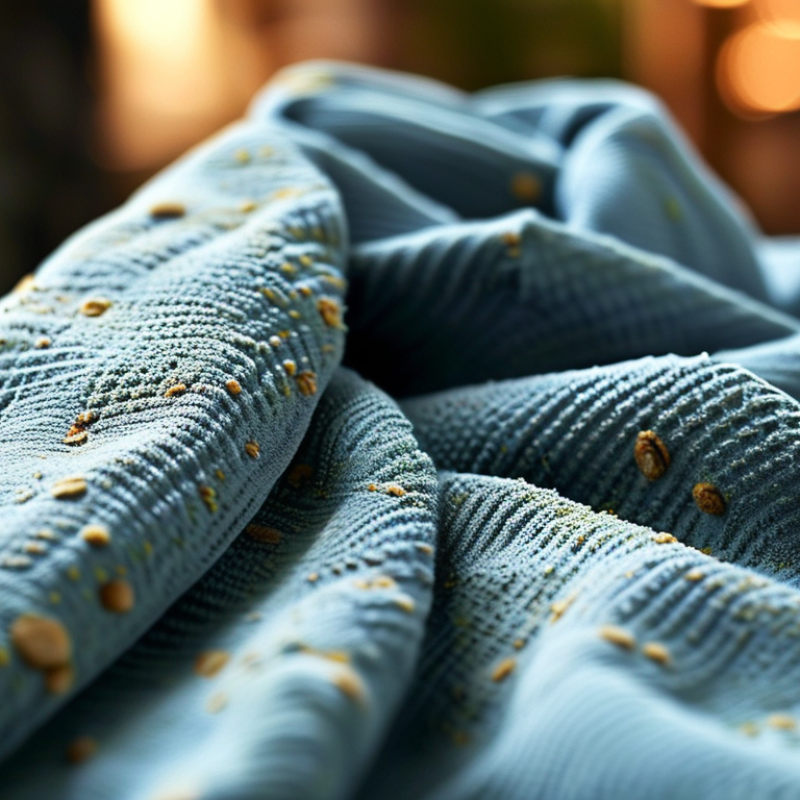
Benefits of Antibacterial Fabric in Everyday Products
Antibacterial fabric has gained traction in everyday products. This trend is not merely aesthetic; it offers substantial benefits for health and hygiene. According to a report by Research and Markets, the global antibacterial textiles market is projected to reach $12.7 billion by 2026. This growth highlights the increasing demand for materials that can combat bacteria effectively.
One notable advantage of antibacterial fabric is its ability to inhibit microbial growth. A study published in the Journal of Hospital Infection found that using these fabrics can reduce the presence of bacteria by up to 99%. In high-contact areas, such as fitness apparel and bedding, this precaution becomes vital. Products made from antibacterial fabrics require less frequent washing. This prolongs their lifespan, leading to less environmental impact.
Furthermore, these fabrics enhance comfort. Many consumers report that antibacterial textiles feel softer against the skin. They can also minimize unpleasant odors, a common concern with regular fabrics. However, it's important to critically evaluate claims about their effectiveness. Not all antibacterial fabrics are created equal. Some may lose their efficacy after multiple washes. This complexity invites further research and consumer awareness for informed choices.
How Antibacterial Fabrics Work to Combat Bacteria
Antibacterial fabrics utilize advanced technology to inhibit the growth of bacteria. These materials often incorporate silver ions or other antimicrobial agents. When bacteria come into contact, these agents disrupt their cellular functions. This prevents bacteria from multiplying and spreading. The result is a cleaner, more hygienic surface for daily use.
When selecting antibacterial fabric items, consider their intended use. If they will be subjected to heavy wear, look for highly durable options. Different fabrics may offer varying levels of antibacterial efficiency. Read product descriptions carefully to understand their properties. This knowledge helps make informed choices.
Tips: Always wash antibacterial fabrics according to care instructions. This ensures that their protective qualities remain effective. Over time, some antimicrobial properties may diminish. Regular maintenance extends the life of these materials. Experiment with different types to find what works best for you. Embrace trial and error in your selection process. That way, you’ll identify which fabric meets your specific needs.
Why Choose Antibacterial Fabric for Your Next Purchase? - How Antibacterial Fabrics Work to Combat Bacteria
| Feature | Description | Benefit |
| Antimicrobial Treatment | Fabrics that have been treated with antimicrobial agents to inhibit the growth of bacteria. | Reduces odors and keeps fabrics fresher for longer. |
| Durability | Made to withstand multiple washes without losing effectiveness. | Maintains hygiene over time, offering long-term cost efficiency. |
| Breathability | Designed to allow air and moisture to escape. | Helps to keep the wearer's skin cool and comfortable. |
| Easy Care | Requires less frequent washing and is often machine washable. | Saves time and energy in laundry care. |
| Allergy-Friendly | Some fabrics are treated to resist allergens and irritants. | Creates a healthier environment for sensitive individuals. |
Common Uses of Antibacterial Fabrics in Fashion and Home Textiles
Antibacterial fabrics are gaining popularity in both fashion and home textiles. These fabrics help to reduce bacterial growth, providing better hygiene for daily use. Many fashion brands now incorporate antibacterial materials into their clothing, promoting healthier wear. For instance, activewear often uses these fabrics to mitigate odor during workouts, enhancing comfort.
In home textiles, antibacterial fabrics are ideal for bedding and upholstery. They help to keep your environment fresh, which is crucial for allergy sufferers. Curtains made from these materials can reduce dust accumulation, making cleaning easier. Consider how your choices impact your living space and health.
**Tips**: When selecting antibacterial fabrics, check the composition. Look for clarity about the technology used. This guarantees effectiveness. Remember, regular washing is still necessary to maintain fabric function. Not all treatments last forever. Always be mindful of your purchasing decisions and their environmental impact.
Why Choose Antibacterial Fabric for Your Next Purchase?
Comparing Antibacterial Fabric with Traditional Fabric Options
When comparing antibacterial fabric with traditional fabric options, the differences become clear. Antibacterial fabric is designed to inhibit the growth of bacteria. This is beneficial in various applications, from clothing to home textiles. Traditional fabrics, however, can harbor microbes, which may lead to unpleasant odors and increased wear.
Consider the hygiene aspect. Antibacterial fabric can help reduce skin infections and promote overall health. This is especially valuable in sportswear or bed linens. Meanwhile, traditional fabrics may lack this protective feature, potentially posing risks in high-contact or shared environments.
While antibacterial fabric offers significant advantages, it's not without its drawbacks. Some may find such fabrics less breathable. The treatment process can also alter the fabrics' feel. Users should weigh these factors carefully. Preferences vary widely. Not every application requires antibacterial features, so understanding when to choose which type is crucial.
Sustainability and Safety Considerations for Antibacterial Fabrics
When selecting antibacterial fabrics, sustainability and safety hold significant importance. According to a report by the Textile Exchange, the market for sustainable textiles grows annually by 9.7%. Antibacterial fabrics can contribute to this growth. They often utilize less water and chemicals during production. Sustainable practices reduce environmental waste. More consumers are demanding eco-friendly options.
The safety of antibacterial fabrics is another area of concern. While many products claim antimicrobial properties, not all are created equal. A study published in the Journal of Textile Science showed that some treatments can release harmful substances over time. Choosing reliable and tested fabrics is essential for safety. Certifications from recognized organizations can guide consumers in making informed decisions.
Beyond safety, consumer awareness is critical. A survey by the International Bioinformatics Company found that 72% of consumers worry about the ingredients used in antibacterial fabrics. Transparency in production processes matters greatly. While antibacterial fabrics offer advantages, careful consideration is necessary to ensure their safety and sustainability. Consumers should reflect on the life cycle of fabric choices.