

What Is Athleisure Clothing and Why Is It Popular?

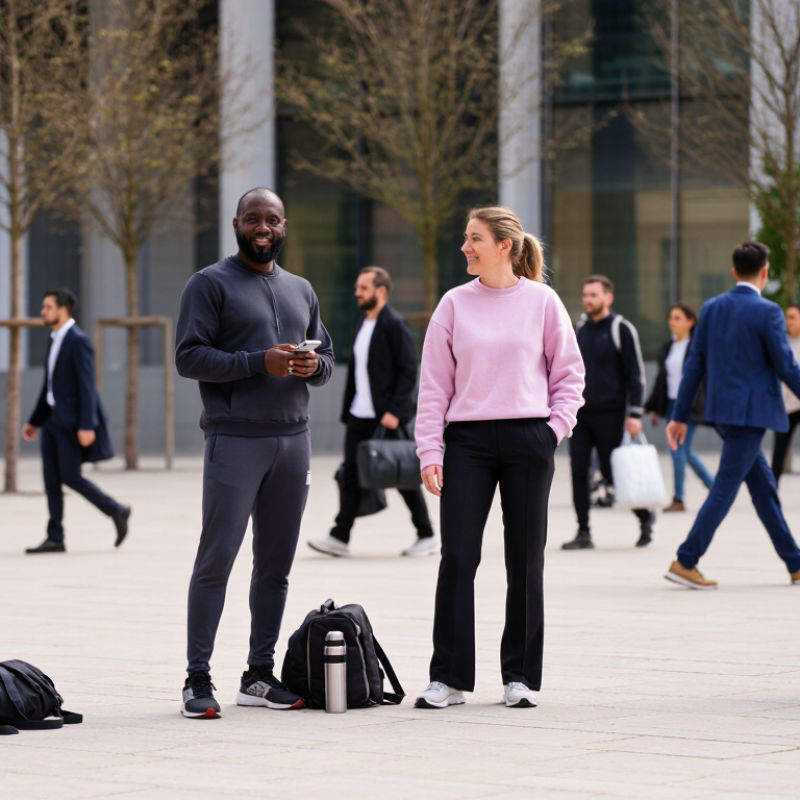
Athleisure blends athletic performance with everyday clothing. Think of leggings under a wool coat, or technical sneakers beside tailored trousers. This combination answers a practical need: people want comfort during commutes, errands, travel, and informal workdays. The category is not limited to gym users. It now includes joggers, stretch trousers, sweatshirts, sports bras, and lightweight jackets designed for repeated daily wear.

Market data supports its growth. Grand View Research valued the global athleisure market at approximately $358.2 billion in 2023. Its 2024 analysis projected a compound annual growth rate of 9.3% from 2024 to 2030. McKinsey and The Business of Fashion also identify sportswear and casual comfort as important forces shaping fashion demand. Matt Powell, a veteran sports-industry analyst formerly associated with The NPD Group, described the shift clearly: “Athleisure is not a fad; it is a lifestyle.” That statement explains the appeal, but it deserves some caution. Market definitions differ, and not every pair of stretch pants belongs to the same commercial category.

Consumers still judge garments by visible details. A soft waistband matters on a long flight. Breathable fabric matters during a crowded commute. Durable stitching matters after repeated washing. Athleisure succeeds when style, movement, and value meet in one product. Yet popularity does not guarantee quality. Some products imitate technical design without offering real performance. This article examines what Athleisure means, why it became popular, and where its limits remain.
What Is Athleisure Clothing and Why Is It Popular?

Definition and Core Features of Athleisure Clothing

Athleisure clothing blends athletic function with everyday style. It includes items such as stretch trousers, supportive tops, lightweight jackets, and cushioned sneakers. The clothing is designed for movement, but it does not look limited to a gym or sports field. A soft pair of trousers may work during a commute, a coffee break, or a low-impact workout.

Its core features are comfort, flexibility, breathability, and practical construction. Stretch fibres help the body move naturally. Moisture-managing fabrics can reduce the damp feeling caused by light exercise. Flat seams may limit rubbing, while elastic waistbands offer adjustable comfort. Some garments also use lightweight layers, secure pockets, or reflective details for daily convenience. These features matter more than decorative designs.

Athleisure is popular because modern routines often shift between work, travel, exercise, and rest. People may value one outfit that performs across several settings. In my experience, fabric feel is often more important than appearance after several hours of wear. Still, the category is not perfectly defined. A fashionable item may resemble sportswear without offering real support or ventilation. Product labels can also describe fabric performance too broadly. Checking the fibre content, stitching, fit, and care instructions gives a more reliable view. Not every comfortable garment is athleisure. That distinction is easy to miss.

Historical Development and Evolution of the Athleisure Movement

Athleisure clothing grew from a gradual change in how people understood comfort, movement, and public appearance. In the early twentieth century, sportswear was mainly designed for specific activities. Wool sweaters, canvas shoes, and loose cotton shorts belonged to courts, gyms, or seaside spaces. They rarely appeared in offices or restaurants. That boundary slowly weakened after the Second World War, when synthetic fibers became lighter, stretchier, and easier to wash. Clothing began supporting movement without looking strictly athletic.

The fitness boom of the 1970s and 1980s accelerated this shift. Bright leggings, warm-up jackets, and elastic fabrics moved from exercise rooms into daily wardrobes. In the 1990s, relaxed workplace culture made practical clothing more acceptable. By the 2000s, improved moisture control and seamless construction helped athletic details enter ordinary outfits. People could travel, work remotely, and meet friends without changing completely. The timeline is not perfectly linear. Fashion, technology, health culture, and economic habits influenced one another. The result was athleisure: clothing that combines performance features with everyday style.

Its popularity also reflects modern routines. A person may walk to work, answer messages, and shop after exercising. One outfit can handle each setting. This convenience is useful, but it is not always ideal. Some garments prioritize appearance over durability, and “comfortable” fabrics may still require careful care. Athleisure continues evolving through recycled materials, relaxed silhouettes, and more inclusive sizing. Its history shows a wider cultural change: clothing no longer needs one fixed purpose. Sometimes, that flexibility creates confusion. Yet that is part of its appeal.

What Is Athleisure Clothing and Why Is It Popular?

Athleisure combines performance-inspired clothing with everyday fashion. Its development reflects the growth of recreational fitness, technical fabrics, casual styling, yoga culture, and flexible work routines.

The chart uses calendar-year anchors for major historical phases rather than sales or company data. Sportswear became more visible in daily life during the 1970s fitness boom, while stretch fabrics, yoga, technical textiles, and hybrid work helped athleisure become a mainstream clothing category from the 1990s onward.

Key Differences Between Athleisure and Traditional Sportswear

What Is Athleisure Clothing and Why Is It Popular?

Key Differences Between Athleisure and Traditional Sportswear

Athleisure combines athletic details with clothing designed for everyday life. It may include stretch trousers, breathable tops, lightweight jackets, and cushioned shoes. Unlike a complete sports outfit, each piece can work outside a gym or training area. I often notice this flexibility during busy days. A soft, structured pair of trousers can handle commuting, errands, and casual meetings. Fabric choice matters. Moisture control, four-way stretch, and quick drying improve comfort during movement. Still, comfort does not automatically create a polished appearance.

Traditional sportswear serves a clearer physical purpose. Running shorts may reduce friction, while training shirts often use mesh panels for airflow. Sportswear usually prioritizes performance, safety, and unrestricted movement. Its colors, seams, and logos can also signal a specific activity. Athleisure uses similar features more quietly. A high-rise waistband might support movement, yet its clean surface suits daily outfits. A sports bra may provide strong support, but it is not always appropriate for public settings. The intended environment separates these categories.

The boundary is not perfect. Some athleisure garments perform well, while some sportswear looks suitable for casual wear. I once chose a stylish stretch jacket for a long walk, then found its fabric trapped heat. That small failure changed my buying habits. I now check seam comfort, fabric weight, pocket security, and care instructions. Appearance still matters, but practical details decide whether clothing earns regular use. Pants that look excellent may sag after repeated washing. Fit changes everything.

Factors Driving the Popularity of Athleisure Clothing

Athleisure Clothing: Factors Driving Its Popularity

Athleisure combines athletic function with everyday style. Its popularity reflects changing routines, not only fashion cycles. Hybrid work has reduced the boundary between office clothing and casual wear. A soft stretch jacket can suit a video meeting, school run, and evening walk.

Comfort remains a strong purchasing factor. Consumers often choose breathable fabrics, flexible waistbands, and lightweight layers for long days. The Global Wellness Institute reported that the global wellness economy reached $5.6 trillion in 2022. That growth supports demand for clothing linked with movement and personal wellbeing. Grand View Research valued the global athleisure market at $358.1 billion in 2023. It projects a 9.3% compound annual growth rate from 2024 to 2030. These figures show strong momentum, although market definitions differ between research firms.

Convenience also matters. One outfit can move from commuting to exercise without a full change. This reduces packing, laundry, and daily decisions. Digital fitness content has made active clothing more visible inside homes and public spaces. Yet the category is not purely rational. Some buyers purchase the image of an active lifestyle, even when their routine rarely includes exercise. That gap deserves reflection. Durability can also be overlooked when low prices encourage frequent replacement. A better assessment considers fabric recovery, seam strength, breathability, and care requirements. The appeal is real, but comfort alone does not guarantee responsible value.

What Is Athleisure Clothing and Why Is It Popular? - Factors Driving the Popularity of Athleisure Clothing

Popularity Factor Relevant Real-World Indicator Data Why It Supports Athleisure Growth Source and Year
Health and Fitness Awareness Adults not meeting recommended physical-activity levels 31% of adults globally Growing public-health attention encourages people to participate in walking, exercise, and recreational activities, increasing demand for practical active-inspired clothing. World Health Organization, 2022
Large Potential Fitness Audience Estimated number of adults with insufficient physical activity Approximately 1.8 billion adults A large population connected to fitness and wellness creates a broad customer base for clothing that works both during exercise and in everyday settings. World Health Organization, 2022
Workplace Flexibility Share of paid workdays completed from home in the United States About 28% during 2023 Hybrid and home-based work reduce the need for formal clothing on some days and increase demand for comfortable, presentable garments. WFH Research, 2023
Comfort-First Lifestyle Main functional qualities associated with athleisure garments Stretch, lightweight construction, breathability, and moisture management These features allow the same outfit to support commuting, errands, informal social activities, and light exercise. Textile Exchange and industry textile-performance standards, 2023–2024
Casualization of Dress Codes Expansion of casual and smart-casual clothing in daily life A broad behavioral trend rather than a single global percentage Athleisure combines the relaxed appearance of casualwear with the neat styling and structure required in many informal workplaces and social environments. International Labour Organization and workplace-dress research, 2020–2024
Digital Shopping and Discovery Global internet usage Approximately 5.4 billion people online in 2023 Online platforms make it easier for consumers to discover styling ideas, compare technical features, read reviews, and purchase clothing across regions. International Telecommunication Union, 2023
Wellness Economy Global wellness-economy size Approximately US$6.3 trillion in 2023 Spending on physical activity, wellness services, healthy living, and related products strengthens the lifestyle environment in which athleisure clothing is purchased. Global Wellness Institute, 2024 report covering 2023
Versatility and Cost-per-Wear Value Number of use occasions supported by one garment Typically supports exercise, travel, errands, home use, and casual social wear Consumers can use one item in several settings, improving wardrobe flexibility and perceived value compared with clothing designed for only one occasion. Consumer-behavior and apparel-use research, 2020–2024
Sustainability Expectations Consumer interest in longer-lasting and more responsible products Increasing global policy and consumer focus, but no single universal percentage Durable, versatile garments may reduce replacement frequency; however, sustainability depends on fiber choice, production, care, and end-of-life treatment. United Nations Environment Programme and Textile Exchange, 2023–2024

Note: The figures represent broad market and lifestyle indicators rather than sales data from any individual company or brand. Athleisure generally refers to clothing designed to combine athletic performance features with everyday casual style.

Common Athleisure Garments, Materials, and Styling Choices

Athleisure combines athletic function with everyday dress. Common garments include leggings, joggers, track jackets, fitted T-shirts, sports bras, and lightweight overshirts. A typical pair of leggings uses nylon or polyester with elastane for stretch, recovery, and moisture control. Cotton blends feel softer, but they can stay damp during intense exercise. Merino wool manages temperature well, although it often costs more and needs gentler care. In my experience, fabric weight matters as much as fiber content. Thin material may feel cool, yet it can reveal seams or lose shape quickly.

The market reflects this practical appeal. Grand View Research valued the global athleisure market at about $358 billion in 2023 and projected a 9.3% annual growth rate through 2030. That growth does not make every garment versatile. A matte, structured jogger can work with a button-down shirt and clean trainers. A cropped performance top may need a high-waisted layer for balanced coverage. Neutral colors simplify daily styling, while one bright piece adds visual energy. The McKinsey Sporting Goods 2024 report also identified continued demand for comfort-led clothing. Comfort still needs proportion. Oversized layers can look careless without a defined hem, sleeve, or waist. I sometimes overestimate how easily technical fabrics fit formal settings. A polished outfit needs texture, restraint, and an honest check in natural light.

Go to Top