10 Best Clothing Shop Trends You Need to Know Now?
The fashion industry is constantly evolving. As we move further into 2023, clothing shops face new challenges and opportunities. Staying on top of the latest trends is essential for any retailer looking to thrive. The shopping experience must be engaging and innovative.
Emerging trends highlight the importance of sustainability and personalization. Customers now prefer eco-friendly materials and unique designs that reflect their identities. Clothing shops must adapt to these preferences or risk losing customers. Physical stores cannot ignore the rise of online shopping. Integrating digital experiences with in-store visits can create a seamless journey.
Moreover, brands are paying attention to community involvement. Collaborations with local artists or influencers can enhance a clothing shop's image. However, navigating these trends is not always easy. Finding the right balance between innovation and practicality takes time and effort. Retailers must remain flexible and open to change.
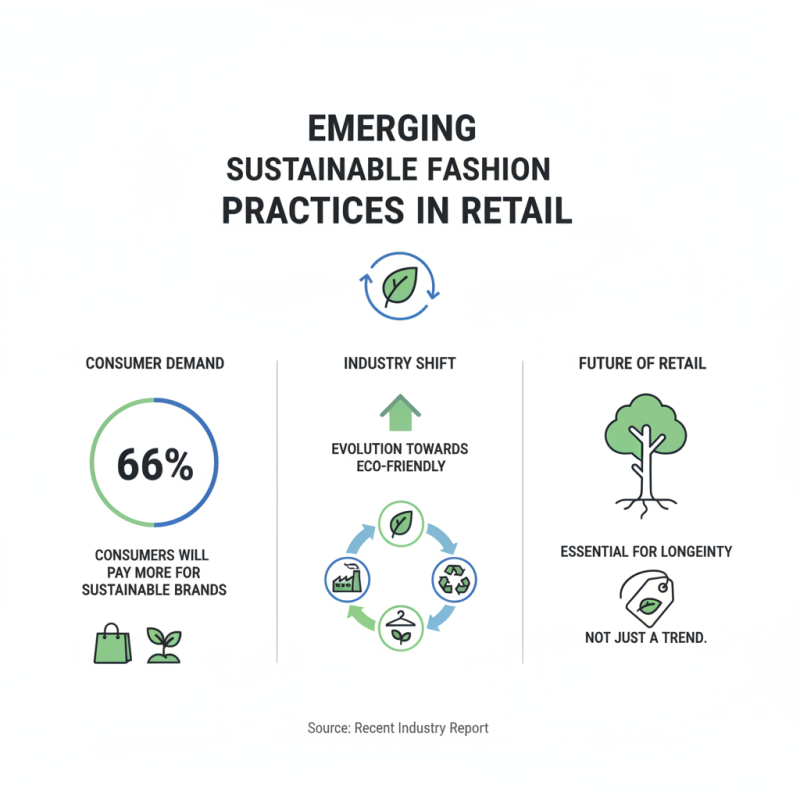
Emerging Sustainable Fashion Practices in Retail
The fashion industry is evolving rapidly, with sustainability becoming a key focus. A recent report highlights that around 66% of consumers are willing to pay more for sustainable brands. This shift indicates a strong demand for eco-friendly practices. Emerging sustainable fashion practices are not just a trend; they are essential for longevity in the retail sector.
Many retailers are now adopting circular fashion initiatives. This includes recycling materials and using biodegradable fabrics. According to a study, brands that implement sustainable practices can reduce their carbon emissions by up to 50%. However, challenges remain. Not all retailers have the resources to make this transition smoothly. Some sustainably-sourced materials can be costly and hard to find.
Transparency is also a significant concern. Consumers are more aware than ever. They want to know where their clothes come from. Yet, many brands still struggle to provide this information. A striking 75% of shoppers expect brands to disclose their supply chain practices, yet only a fraction do. This gap reveals an area needing reflection and improvement.
Technology Integration: Smart Fittings and Virtual Reality Experiences
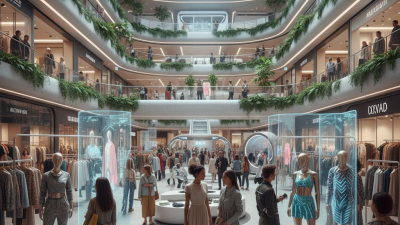
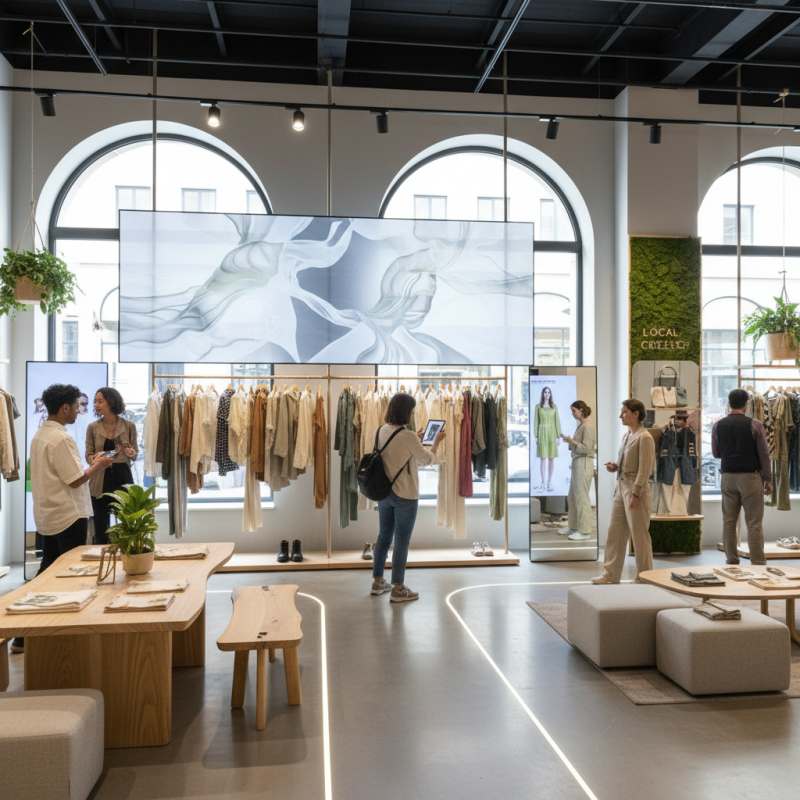
The fashion retail industry is undergoing a significant transformation with technology integration. Smart fittings and virtual reality (VR) are enhancing the shopping experience. A recent industry report revealed that 61% of consumers prefer trying virtual fitting rooms over traditional ones. This shift shows a clear demand for convenience and innovation in retail.
Smart fittings use sensors to provide accurate body measurements. They help customers find the right size quickly. According to studies, 70% of shoppers have encountered sizing issues online. VR experiences, on the other hand, allow customers to visualize clothing on themselves without physical trials. This technology can reduce return rates significantly, with reports suggesting a decrease of up to 30% in returns.
Despite these advancements, not all customers are comfortable with technology. Some feel overwhelmed by digital interfaces. A portion of the market, around 40%, still prefers in-store shopping experiences. This contradiction highlights the need for a balanced approach, combining digital innovations with individual customer preferences. Retailers must be mindful of these varying needs to ensure inclusivity and satisfaction. The journey to integrate technology in fashion retail is ongoing and requires continuous reflection and adaptation.
Personalization Trends Driven by Data Analytics in Clothing Shops
Personalization in clothing shops is rapidly evolving.
Data analytics drives this trend, offering deep insights into consumer behavior. Studies show that personalized shopping experiences can increase customer retention rates by 30%.
Retailers are now using data to create individualized recommendations.
This focus on the customer is reshaping how shops operate.
Map data from customer interactions reveals preferences and purchase patterns.
For instance, 75% of consumers prefer personalized offers. Yet, not all businesses utilize this potential adequately.
Some brands overlook the importance of integrating data seamlessly, which may lead to missed opportunities.
Moreover, understanding cultural trends through data can enhance product offerings.
Localized marketing strategies are becoming vital. A survey indicated that 60% of consumers respond positively to personalized content.
However, many companies struggle to balance automation with a genuine human touch.
This necessitates ongoing reflection and adaptation in their personalization strategies.
Social Media Influence on Consumer Behavior and Brand Engagement
Social media has reshaped consumer behavior in the clothing industry. Studies show that 54% of consumers rely on social media when making purchasing decisions. Platforms like Instagram and TikTok play crucial roles. They offer visual inspiration and immediate access to products. This has changed how brands engage with their audience.
User-generated content has shown to increase brand trust. Reports indicate that posts created by customers can lead to a 79% increase in engagement. Influencers also play a significant part. Many consumers feel influenced by them. However, brands must ensure authentic partnerships. Misleading promotions could damage brand reputation.
Despite the advantages, challenges remain. Not every social media campaign leads to sales. Brands must invest time to analyze what resonates with their audience. Experimentation can lead to better engagement. Yet, mistakes can occur. A misjudged post can backfire quickly. Understanding audience sentiment is essential for effective marketing.
Impact of Social Media Trends on Consumer Behavior
The Rise of Online Shopping: Adapting Brick-and-Mortar Stores
The shift towards online shopping has dramatically changed the retail landscape. Many physical stores struggle to adapt. They find it hard to compete with the convenience of digital shopping. Customers prefer browsing from home. They can easily compare prices and read reviews. This trend forces brick-and-mortar stores to rethink their strategies.
Some retailers have embraced the change. They create a seamless online and offline experience. For example, stores now offer click-and-collect options. Customers order online and pick up in-store. However, not all stores have successfully made this transition. Some still operate as if nothing has changed. This disconnect can leave customers frustrated. They might visit a store only to find limited options.
Moreover, social media has become a critical tool. It allows stores to reach new audiences. Engaging content can attract shoppers. However, not all businesses are skilled in this area. Many struggle with creating captivating posts. This inconsistency reflects a larger issue in adapting to modern trends. Continuous improvement is necessary for all retailers to thrive.