

What Are the Best Ladies Tops Suppliers in China?
China remains a central sourcing base for ladies tops, supported by broad fabric options, mature production clusters, and large export capacity. The World Trade Organization reported that China accounted for approximately 31.6% of global clothing exports in 2023. That scale creates opportunity, but it also creates noise. Many suppliers look identical online.
McKinsey & Company’s The State of Fashion 2025 describes fashion growth as cautious and uneven. Buyers therefore need more than attractive product photos. They should examine fabric composition, stitching density, size consistency, minimum order quantities, sampling speed, and production controls. Achim Berg, a senior partner at McKinsey’s Apparel, Fashion & Luxury practice, said, “The fashion industry is facing a great deal of uncertainty.” His observation applies directly to supplier selection. Costs, tariffs, lead times, and demand can shift quickly.
This guide evaluates the best ladies tops suppliers in China through practical sourcing criteria. These include manufacturing experience, product specialization, factory transparency, quality documentation, communication, and export reliability. China’s National Bureau of Statistics also tracks apparel production and retail activity, offering useful context for market scale and demand changes. Still, national data cannot verify one factory’s workmanship. A supplier’s website proves little. A sample can reveal more. Sometimes, the first sample is disappointing. That is not failure; it is evidence for better questions. We will compare established manufacturers, trading companies, and specialized workshops, while noting where information requires independent confirmation. Buyers should request current certificates, video audits, pre-production samples, and written quality standards before placing larger orders. No ranking is perfect. Careful verification remains essential.
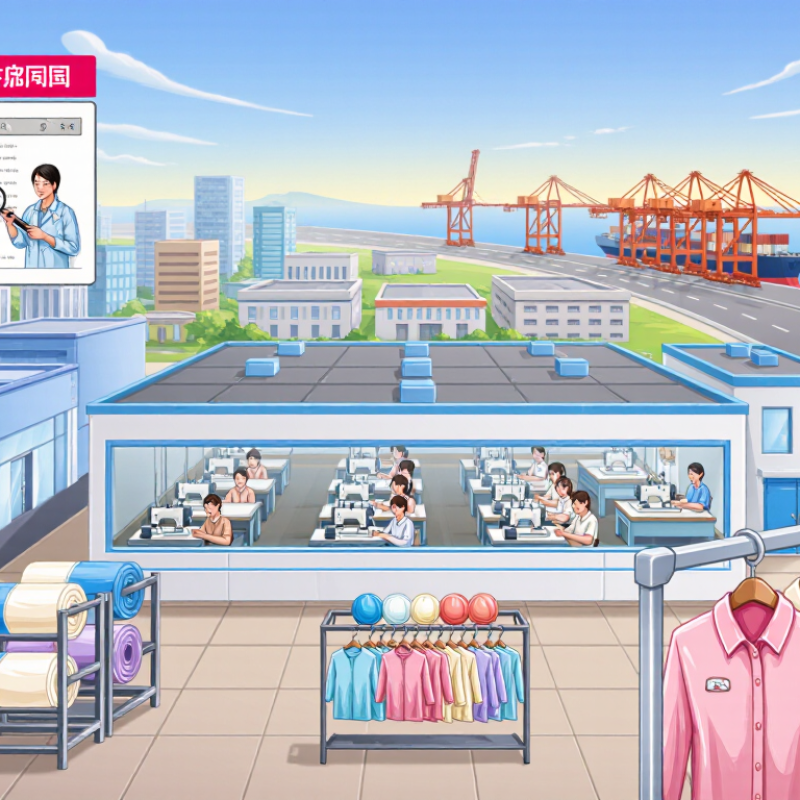
What to Look for in a Reliable Ladies Tops Supplier in China
A reliable ladies tops supplier in China should prove more than a low quotation. Ask for business registration details, production address, and a clear contact person. A video call can reveal useful details, such as cutting tables, sewing lines, and fabric storage. Do not rely on polished showroom photos alone. Real evidence matters.
Request samples made from the same fabric, trims, and measurements planned for production. Check stitching density, seam strength, color consistency, shrinkage, and how the top feels after washing. A capable supplier should explain fabric composition and provide test reports when required. Confirm care labels, fiber declarations, and safety requirements for your target market. Discuss minimum order quantities, sample fees, lead times, payment terms, and defect handling in writing. Vague promises create expensive surprises.
Quality control should include an approved sample, in-line inspections, and a final measurement check. Ask who performs each inspection and whether records can be shared. Also examine communication during difficult conversations. A dependable team reports delays early and suggests workable options. No supplier is flawless. I would question a factory that claims zero defects or instant capacity. One practical safeguard is a small trial order before seasonal volume. It may cost more initially, but it exposes weak packing, inconsistent sizing, or slow response. Choose evidence over enthusiasm, and review performance after every shipment.
What Are the Best Ladies Tops Suppliers in China? — What to Look for in a Reliable Ladies Tops Supplier in China
| Evaluation Dimension | Reliable Supplier Indicator | Practical Benchmark or Evidence | How to Verify |
|---|---|---|---|
| Product Development Capability | Can develop blouses, T-shirts, shirts, camisoles, knit tops, woven tops, and seasonal styles from a tech pack or reference sample. | Provides sketches, fabric options, measurement charts, construction details, and a pre-production sample before bulk manufacturing. | Request recent sample-development records, sample revisions, and a complete approval workflow. |
| Fabric and Trim Sourcing | Uses documented sources for fabrics, labels, buttons, zippers, thread, and other trims. | Can provide fiber composition, fabric weight, color references, test reports when required, and clear trim specifications. | Check fabric swatches, composition records, color standards, and reports from an accredited testing laboratory where applicable. |
| Sample Accuracy | Samples match the approved design, measurements, materials, color, workmanship, and labeling requirements. | Uses a signed sample, approved measurement chart, and written comments as the production reference. | Compare the final sample with the tech pack and record all approved changes in writing. |
| Minimum Order Quantity | Offers an MOQ that matches the buyer’s sales volume and can explain how MOQ changes by fabric, color, size, and customization level. | Quotes separate MOQs for stock fabric, custom-dyed fabric, custom prints, and fully customized styles instead of giving one unclear figure. | Ask for a written MOQ schedule covering style, color, size ratio, fabric, and packaging. |
| Production Lead Time | Provides a written schedule covering material approval, sampling, cutting, sewing, finishing, inspection, and shipment preparation. | Separates sample lead time from bulk-production lead time and identifies the events that start the production clock. | Request a dated production plan and compare promised milestones with previous order records. |
| Quality-Control System | Uses documented inspection procedures rather than relying only on final visual checking. | Controls fabric quality, cutting accuracy, sewing workmanship, measurements, appearance, labeling, packing, and carton quantities. | Review inspection checklists, defect classifications, corrective-action records, and sample inspection reports. |
| Measurement and Fit Control | Maintains consistent measurements across sizes and production lots. | Uses a size specification sheet with tolerances for key points of measure, such as bust, body length, shoulder, sleeve, and hem. | Approve a graded size set and conduct random measurement checks during and after production. |
| Colorfastness and Dimensional Stability | Understands the performance requirements of different fibers, dyes, prints, and finishing processes. | Can arrange suitable tests for colorfastness to washing and rubbing, shrinkage, pilling, seam performance, or other buyer-specific requirements. | Define the required test methods and acceptance limits before bulk production; review test reports against the approved fabric lot. |
| Compliance and Restricted Substances | Can follow the destination market’s apparel, labeling, chemical, and product-safety requirements. | Maintains traceable material information and supports applicable requirements such as fiber labeling, care labeling, and restricted-substance controls. | Provide the destination countries and request relevant compliance documents, declarations, and laboratory reports. |
| Social and Ethical Manufacturing | Allows reasonable supply-chain transparency and can explain workplace and labor-management practices. | Can support recognized social-compliance audits or equivalent documented assessments when required by the buyer. | Review current audit reports, corrective-action plans, worker-safety records, and subcontracting policies. |
| Factory Capacity and Subcontracting | Has sufficient equipment and labor for the order and discloses any subcontracted processes. | Can identify production lines, specialized equipment, planned monthly capacity, and approved subcontractors for printing, embroidery, washing, or finishing. | Conduct a video or in-person factory audit and obtain written approval for any subcontracted operation. |
| Order and Communication Management | Uses clear English documentation and responds with specific information instead of generic promises. | Confirms specifications, prices, payment terms, deadlines, revisions, inspection arrangements, and responsibilities in writing. | Use a purchase order or manufacturing agreement with version-controlled specifications and named contacts. |
| Pricing Transparency | Explains the cost structure and identifies what is included or excluded from the quotation. | Separates garment price, sampling, custom dyeing, printing or embroidery, labels, packaging, inspection, tooling, freight, and applicable taxes or fees. | Compare itemized quotations on the same specifications and confirm the validity period of each quote. |
| Payment and Commercial Terms | Offers documented terms that clearly define deposits, balance payments, ownership of samples, and remedies for non-conformity. | Uses a written contract or purchase order and links final payment to agreed inspection or documentation conditions. | Have the terms reviewed internally or by a qualified trade professional before transferring funds. |
| Packaging and Export Documentation | Can meet carton, polybag, labeling, packing-list, invoice, and shipping-mark requirements. | Provides a packing specification and can prepare documentation consistent with the agreed Incoterm and destination requirements. | Approve a packaging sample and verify carton dimensions, quantities, marks, and shipping documents before dispatch. |
| Traceability and After-Sales Support | Can trace materials and production batches and responds to quality or delivery claims. | Retains purchase, inspection, and shipment records and provides a defined process for replacement, rework, credit, or corrective action. | Ask for the claim-handling procedure and include response times and remedies in the written agreement. |
Note: Benchmarks are practical buyer-checking criteria rather than rankings of individual companies. Requirements should be confirmed against the product specifications, destination market, order volume, and applicable regulations.
Related Posts
-
Top 10 Mens Clothing Stores in China for Global Buyers
-

Challenges Faced by Clothing Stores in Adapting to Consumer Trends
-
How to Boost Revenue in Clothing Stores Using Data Driven Strategies
-

How to Choose the Best Active Wear for Your Workout Needs?
-

Top Clothing Stores You Need to Know About?
-

What is the Best Clothing Website for Online Shopping?