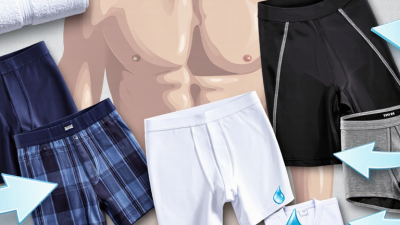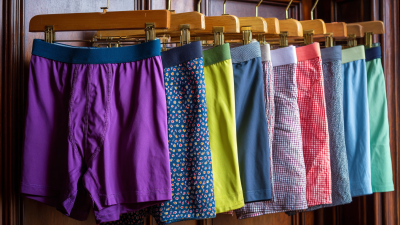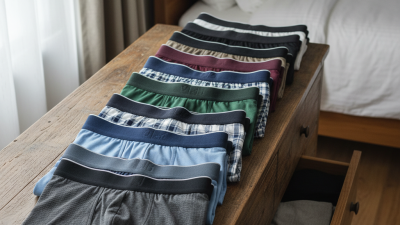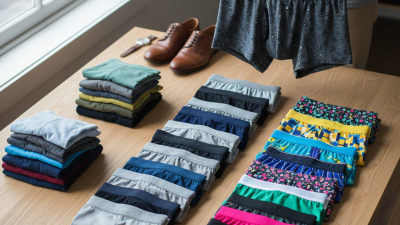

What Are the Best Mens Underwear Suppliers in China?

Choosing reliable mens underwear suppliers in China requires more than comparing factory quotations. The right partner must combine fabric knowledge, consistent workmanship, transparent communication, and dependable delivery. In practice, this means examining every detail, from cotton fiber length and elastane recovery to waistband stitching and label placement. A sample may look excellent under showroom lights, yet fail after repeated washing. That gap matters.

China remains a major production center for underwear mens products, including briefs, trunks, boxers, thermal layers, and seamless designs. However, supplier quality varies widely. Some factories specialize in large retail programs. Others perform better with smaller private-label orders. China sourcing consultant Renaud Anjoran’s practical warning is worth remembering: “The lowest price is not always the lowest cost.” A cheap quotation can hide weak fabric, high defect rates, slow revisions, or expensive rework.

This guide evaluates leading suppliers through an experience-based lens. It considers production capacity, material sourcing, certifications, sample development, minimum order quantities, and quality-control procedures. It also looks at how suppliers respond when specifications change. That test is often revealing. A polished website proves very little.

Buyers should request production photos, audit records, test reports, and clear pre-shipment inspection terms. They should also wash-test samples before approving bulk production. No supplier is perfect. Even experienced manufacturers can miss a measurement or misunderstand a color reference. The strongest partnerships acknowledge these risks, document corrections, and improve steadily. This article helps buyers compare Chinese suppliers with realistic expectations, not convenient promises.
What Are the Best Mens Underwear Suppliers in China?

What Makes a Reliable Men’s Underwear Supplier in China?

A reliable men’s underwear supplier in China proves quality through repeatable processes, not attractive samples alone. Check its factory experience, production capacity, and quality control records. A professional supplier should explain fabric composition, stitching standards, shrinkage results, and colorfastness testing clearly. Ask for recent samples in several sizes. One sample is never enough.

Reliable communication also matters. The supplier should confirm measurements, packaging details, order quantities, and delivery dates in writing. Factory audits, product inspections, and traceable material records add valuable protection. Certifications can support credibility, but they should be verified rather than accepted without question. Clear answers usually reveal stronger management.

A practical warning: low prices may hide weak fabric, rushed sewing, or unstable production. My own evaluation process would not be perfect, especially when relying on documents alone. An on-site visit or independent inspection can expose details that photos miss. Look closely at waistband recovery, seam strength, loose threads, and odor after washing.

Tips: Request a pre-production sample. Compare it with approved measurements. Test washing and stretching before placing a large order. Discuss defect handling in advance. Keep communication records. Avoid suppliers who resist reasonable questions or change specifications without notice. Availability is useful, but consistency matters more.

Which Types of Men’s Underwear Suppliers Operate in China?

In China, men’s underwear suppliers usually fall into several practical groups. Dedicated factories cut, sew, inspect, and pack products in one facility. They suit buyers needing stable production and repeat orders. OEM suppliers make designs from buyer specifications, including fabric weight, pouch shape, stitching, labels, and packaging. ODM suppliers offer existing patterns that can be adjusted faster. This option often reduces development time, but customization may remain limited. Some factories combine both models. Ask which process actually happens on site.

Wholesalers and trading companies connect buyers with several factories. They can consolidate styles and manage communication, but production control may sit elsewhere. Fabric-focused suppliers are another useful category. They provide cotton, modal, bamboo-blend, or performance materials, then work with sewing partners. This helps when hand feel and stretch recovery matter. It can also create accountability gaps. Clarify who handles testing, inspection, and corrective action.

During supplier reviews, I request a pre-production sample, size chart, fabric composition, waistband recovery test, seam inspection, and wash test. Check minimum order quantities, lead times, monthly capacity, and tolerance standards in writing. Factory audits should cover worker safety, quality systems, and traceable records. A trading company is not automatically less reliable. A factory is not automatically better. I once trusted a polished sample too much. Bulk consistency proved weaker. That mistake still shapes my checks.

What Are the Best Men’s Underwear Suppliers in China?

Which types of men’s underwear suppliers operate in China?

China’s men’s underwear supply market includes OEM/ODM factories, private-label manufacturers, wholesale distributors, sourcing companies, and specialized performance-wear producers. The index compares their typical strengths in direct production, customization, ready-stock availability, and product specialization. It is a supplier-model comparison, not a market-share ranking.

How to Evaluate China-Based Men’s Underwear Manufacturers

Finding the best men’s underwear suppliers in China requires more than comparing factory prices. Evaluate their experience with similar fabrics, fits, and production volumes. Ask for recent sample work, not only catalog photos. Inspect stitching, elastic recovery, waistband comfort, and fabric shrinkage after washing. Small details matter.

Request clear information about factory capacity, minimum order quantities, lead times, and quality control steps. A reliable manufacturer should explain how workers check measurements and remove defective pieces. Ask whether materials can be traced to documented sources. Independent testing for colorfastness, fiber content, and skin-contact safety adds useful evidence. Certifications should be verified, not simply displayed in a file.

Communication reveals practical expertise. Send a detailed specification sheet and compare the supplier’s questions. Careful questions often show stronger production knowledge. Visit the facility when possible, or arrange a live video inspection of cutting, sewing, and packing areas. Do not judge everything by a polished showroom. Look closely.

The first sample is rarely the final answer. Allow time for fitting revisions and wash tests. I would record every change in writing, including tolerances and packaging requirements. Price can mislead. A very low quote may exclude testing, rework, or realistic shipping preparation. Some evaluations still fail because buyers focus too heavily on responsiveness. That is worth reconsidering. Reliable performance appears across samples, records, inspections, and delivered orders.

What Production, Customization, and Quality Services Should Buyers Expect?

Reliable men’s underwear suppliers in China should offer more than low factory pricing. Buyers should examine production depth, customization control, and quality systems before negotiating volume. An experienced supplier can recommend cotton blends, modal, bamboo viscose, or recycled fibers for specific comfort goals. Fabric weight, stretch recovery, and colorfastness matter after repeated washing. Ask for current test reports and fabric traceability. Do not rely on a polished catalog alone. Samples reveal the truth.

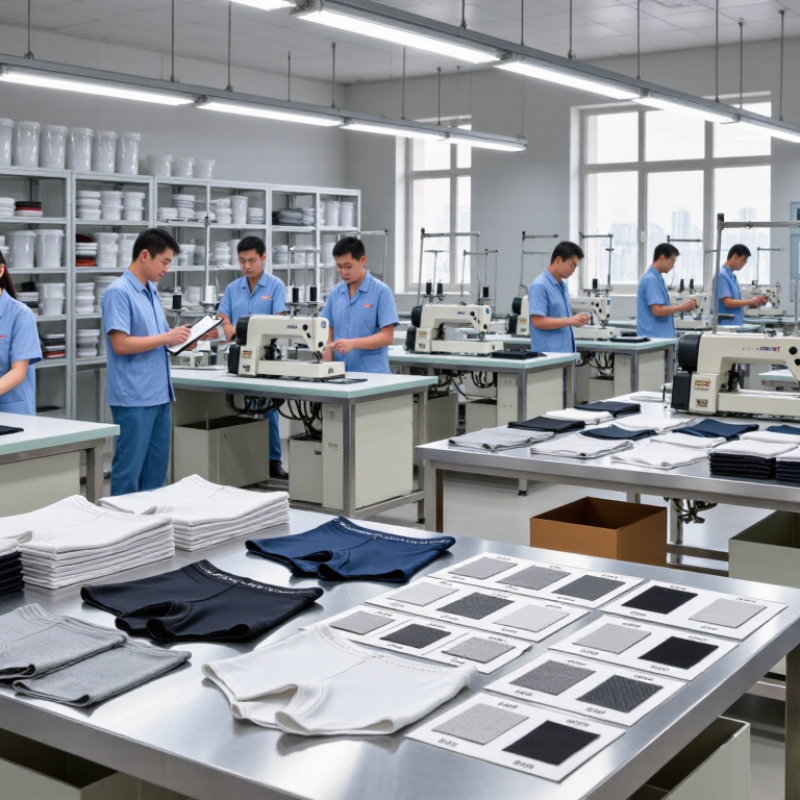
A capable production team should manage pattern development, grading, cutting, sewing, elastic attachment, labeling, and packing under one controlled process. Buyers should expect size charts, pre-production samples, and approval checkpoints. Custom services may include waistband design, gusset shape, stitching color, private packaging, and barcode application. Clear technical packs reduce costly misunderstandings. Minimum order quantities should be stated honestly. Flexible sampling is useful, but unlimited changes can delay delivery and raise costs.

Quality service needs measurable inspections, not friendly promises. Ask whether inspectors check fabric defects, seam strength, measurements, appearance, and carton counts. A documented final inspection report creates accountability before shipment. Suppliers should also explain corrective actions when defects appear. No factory is perfect. The important question is how quickly it responds and prevents repetition. Buyers should review communication speed, production updates, and complaint handling during sampling. A cheaper quote may become expensive when weak elastic, twisting seams, or inconsistent sizing reach customers. Careful buyers leave room for improvement, because their first specification is rarely complete.

What Are the Best Men’s Underwear Suppliers in China? Production, Customization, and Quality Services Buyers Should Expect

Service Area Typical China Supplier Benchmark What Buyers Should Expect Documents or Evidence to Request
Product Categories Briefs, trunks, boxer briefs, loose boxers, thermal underwear, performance underwear, and seamless styles. A supplier should demonstrate relevant experience with the exact construction, fabric weight, fit, and target market required for the project. Recent product samples, construction photographs, technical specifications, and a list of available fabric and trim options.
Material Options Common commercial compositions include cotton-spandex, modal-spandex, bamboo-viscose blends, polyester-spandex, polyamide, and recycled polyester. Materials should match the intended use, including softness, stretch recovery, moisture management, breathability, colorfastness, and washing durability. Fabric composition reports, fabric weight or GSM data, stretch-recovery results, colorfastness tests, and approved fabric swatches.
Minimum Order Quantity Stock or standard styles may start at approximately 100–500 pieces per color; custom production commonly starts around 500–3,000 pieces per style or color. The MOQ should be clearly separated by stock items, customized colors, custom fabrics, private labels, and special packaging. A written MOQ schedule showing quantities for each customization level, size ratio, color, and packaging method.
Sample Development Initial samples commonly require about 7–15 working days, while complex fit or pattern revisions may take longer. The supplier should provide a structured sample approval process covering measurements, fabric, trims, artwork, labels, and packaging. Sample timeline, sample invoice, measurement sheet, revision policy, and approval form signed or confirmed by the buyer.
Bulk Production Lead Time Standard repeat orders often require approximately 25–45 days after approval; new custom programs may require about 40–70 days. The production schedule should include material sourcing, cutting, sewing, inspection, packing, and shipment dates rather than only one final deadline. Order production plan, material booking confirmation, weekly progress updates, and a documented delay-management procedure.
Customization Capability Typical services include custom patterns, size grading, fabric selection, waistband design, labels, hangtags, packaging, colors, prints, embroidery, and heat-transfer artwork. The supplier should be able to convert buyer specifications into a measurable tech pack and confirm which features affect MOQ, cost, and lead time. Pattern files, graded size charts, artwork proofs, trim cards, packaging mock-ups, and a pre-production sample.
Fit and Size Control Professional programs normally use a measurement chart with tolerance limits, size grading rules, and a defined fit sample for approval. Critical points should include waist, hip, front rise, back rise, leg opening, inseam, pouch dimensions, and waistband recovery. Approved measurement specification, tolerance chart, graded pattern, fit comments, and pre-production measurement report.
Quality Inspection A reliable process normally includes incoming-material inspection, in-line inspection, end-of-line inspection, and final random inspection before shipment. Inspection should cover dimensions, stitching, seam strength, fabric defects, shade consistency, elastic recovery, labeling, packaging, and carton quantities. Inspection checklist, defect classification standard, inspection photographs, corrective-action records, and final inspection report.
Testing and Compliance Depending on the destination market, products may require testing for fiber content, colorfastness, harmful substances, flammability, and restricted chemicals. The supplier should identify applicable legal and retailer requirements before production and arrange testing through an independent laboratory when necessary. Test reports, material declarations, chemical compliance statements, social-audit records, and product labeling review.
Private Label Support Common private-label services include woven labels, printed care labels, branded waistbands, hangtags, polybags, cartons, inserts, and barcode application. All branding elements should be approved in writing, with clear ownership of artwork, tooling, molds, plates, and unused packaging materials. Artwork approval sheet, label samples, packaging specification, barcode confirmation, and intellectual-property confidentiality terms.
Packaging Standards Typical packing formats include individual polybags, paper bands, size stickers, inner cartons, export cartons, and palletized shipments. Packaging should protect elastic, fabric, print, and hygiene condition while meeting the buyer’s carton marking and sustainability requirements. Packaging sample, carton dimensions, carton weight, packing ratio, shipping marks, and packaging-material declaration.
Sustainability Options Available options may include recycled fibers, certified natural fibers, reduced-plastic packaging, water-based prints, and production waste controls. Sustainability claims should be supported by valid transaction certificates or material documentation rather than unsupported marketing statements. Valid material certificates, transaction certificates where applicable, recycled-content documents, factory environmental records, and packaging specifications.
Production Capacity Capacity varies widely; a medium-sized underwear production line may produce approximately 10,000–50,000 pieces per month depending on style complexity and number of lines. Capacity should be assessed against the buyer’s monthly forecast, peak-season demand, fabric availability, and the supplier’s existing order load. Production-line overview, monthly capacity statement, machine list, workforce information, and capacity allocation plan.
Communication and Merchandising Export-oriented suppliers commonly provide English-language order coordination, technical communication, sampling updates, and shipping documentation. Buyers should receive one accountable contact person, written approvals, clear response times, and change-control records for every order. Communication workflow, order-management template, escalation contact, approval records, and sample status reports.
Shipping and Trade Terms Suppliers may support EXW, FOB, CIF, DDP, or other agreed terms, with delivery arranged by sea, air, rail, or courier. The quotation should state product price, packaging cost, tooling cost, inspection cost, freight assumptions, delivery term, and estimated transit time separately. Formal quotation, commercial invoice, packing list, shipping schedule, carton data, and agreed Incoterms® rule.
Payment and Order Protection A common commercial structure is a deposit before production and the balance before shipment, with exact terms negotiated according to order size and supplier history. Payments should be tied to approved samples, production milestones, inspection results, and clearly defined acceptance criteria. Signed sales contract, proforma invoice, quality agreement, payment schedule, refund or remake terms, and inspection authorization.
Best-Fit Supplier Profile The most suitable supplier is not always the lowest-cost option; capability should be matched to order volume, customization complexity, compliance needs, and target market. Consistent quality Transparent costing Reliable lead time Documented compliance Compare at least two approved samples, a complete quotation, factory or production assessment, test documentation, and verified references without relying on price alone.

How to Compare Pricing, Minimum Orders, and Export Capabilities?

Comparing men’s underwear suppliers in China requires more than checking the unit price. Ask for a detailed quotation covering fabric, elastic, labels, packaging, sampling, and shipping terms. A low factory price may exclude mold fees, inspection charges, or export documentation. Request the price under the same Incoterm, such as FOB or CIF, so comparisons remain fair. Small details matter.

Minimum order quantities should match your sales plan, not only the supplier’s production target. Some factories quote separate MOQs for each color, size, or fabric. Ask whether mixed sizes are allowed within one style. Confirm the sample charge, revision policy, and production lead time in writing. I have found that a flexible MOQ can cost slightly more but reduce unsold inventory. That trade-off is easy to underestimate.

Export capability needs practical verification. Request recent examples of packing lists, commercial invoices, and shipping marks, with sensitive information removed. Check whether the supplier regularly handles your destination country and understands required textile labeling. Confirm factory capacity during peak seasons, quality inspection procedures, payment stages, and responsibility for defective goods. A video call can reveal storage conditions and production flow, but it is not a full audit. I still treat unverified claims cautiously. Ask for pre-shipment inspection and retain approved samples for comparison.

Go to Top