How to Choose the Best Sports Wear for Maximum Comfort and Performance
In today's fitness-driven society, the choice of sports wear has become paramount for athletes and fitness enthusiasts alike. According to a recent report from the Global Sports Apparel Market, the demand for sports wear is projected to reach over $200 billion by 2025, driven by increasing health consciousness and a global shift towards an active lifestyle. Not only does appropriate sports wear enhance physical performance, but it also significantly impacts comfort levels during exercise.
Selecting the right sports wear involves understanding the fabric technology and design features that cater to specific activities—be it running, cycling, or high-intensity interval training. Studies indicate that moisture-wicking materials, for instance, can improve comfort and performance by keeping the body dry, which is crucial in maintaining optimal body temperature. Moreover, the fit and flexibility of sports wear are essential factors that can influence an athlete’s output. Therefore, making an informed choice in sports wear not only maximizes comfort but also contributes to better overall performance in any physical endeavor.
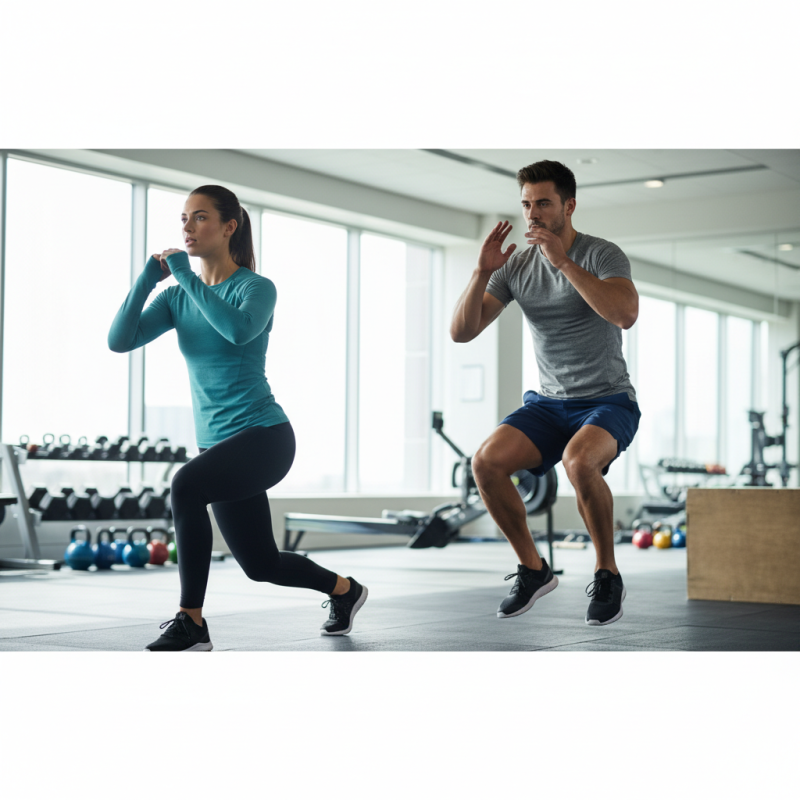
Understanding the Importance of Choosing the Right Sports Wear
Choosing the right sports wear is crucial for enhancing both comfort and performance during physical activities. The importance of selecting the proper attire goes beyond mere aesthetics; it directly impacts an athlete's ability to perform at their best. Properly designed sports clothing provides essential features such as moisture-wicking properties, breathability, and stretchability, which work together to minimize distractions and maximize focus during workouts.
Additionally, understanding body mechanics and the specific requirements of the chosen sport can guide athletes in their selection process. For instance, running requires lightweight fabrics that promote ventilation, while weightlifting benefits from supportive materials that prevent excess movement. Every sport has unique demands, and recognizing these factors helps in choosing garments that not only support physical exertion but also enhance overall enjoyment during the activity. By prioritizing comfort and functionality, athletes can elevate their performance and promote a healthier lifestyle.
Identifying Your Specific Sports and Their Unique Clothing Requirements
When choosing sportswear, it’s essential to recognize that each sport has its specific requirements that can significantly impact your comfort and performance. For instance, running enthusiasts benefit from breathable, lightweight fabrics that wick moisture away from the skin, reducing chafing and discomfort during long-distance runs. Meanwhile, athletes involved in high-impact sports like basketball or soccer may require more supportive garments that offer stability around key areas such as the knees and ankles, thus preventing injuries while providing necessary support during dynamic movements.
Additionally, water sports like swimming or kayaking demand clothing that is both hydrodynamic and quick-drying. Swimmers usually opt for swimsuits made from specialized materials that minimize drag in the water, while kayakers might choose long-sleeved tops made from water-resistant fabrics to protect against splashes and cold temperatures. Each sport not only requires a different fabric but also specific cuts and styles that enhance mobility and functionality. Understanding these unique clothing requirements will enable athletes to select the most appropriate gear, ensuring maximum performance and enjoyment in their chosen activities.
Performance Benefits of Different Sports Wear Materials
Evaluating Materials for Breathability, Flexibility, and Moisture-Wicking
When choosing sportswear, the material plays a crucial role in ensuring both comfort and performance. Breathability is one of the foremost features to consider. Fabrics that allow air to circulate help regulate body temperature, preventing overheating during intense exercise. Look for materials that utilize lightweight mesh or technical fabrics designed to promote airflow. This is especially important for high-aerobic activities like running or cycling where maintaining a cool body temperature is essential for endurance.
Flexibility is another key factor in sportswear selection. Athletes require garments that move with them rather than constricting their movements. Fabrics with a good amount of stretch, such as spandex blends, ensure that the clothing adapts to various body movements without losing shape. This flexibility not only enhances performance but also improves comfort, allowing for a greater range of motion whether the wearer is lifting weights or participating in yoga.
Moisture-wicking properties are equally vital, as they pull sweat away from the skin to the surface of the fabric where it can evaporate. This feature helps to keep the skin dry, reducing the risk of chafing or discomfort during workouts. Look for materials specifically engineered for moisture management, which ensure that athletes can focus solely on their performance without distraction. Balancing breathability, flexibility, and moisture-wicking capabilities in the choice of sportswear ultimately enhances the overall workout experience.
Sizing and Fit Considerations for Optimal Comfort and Performance
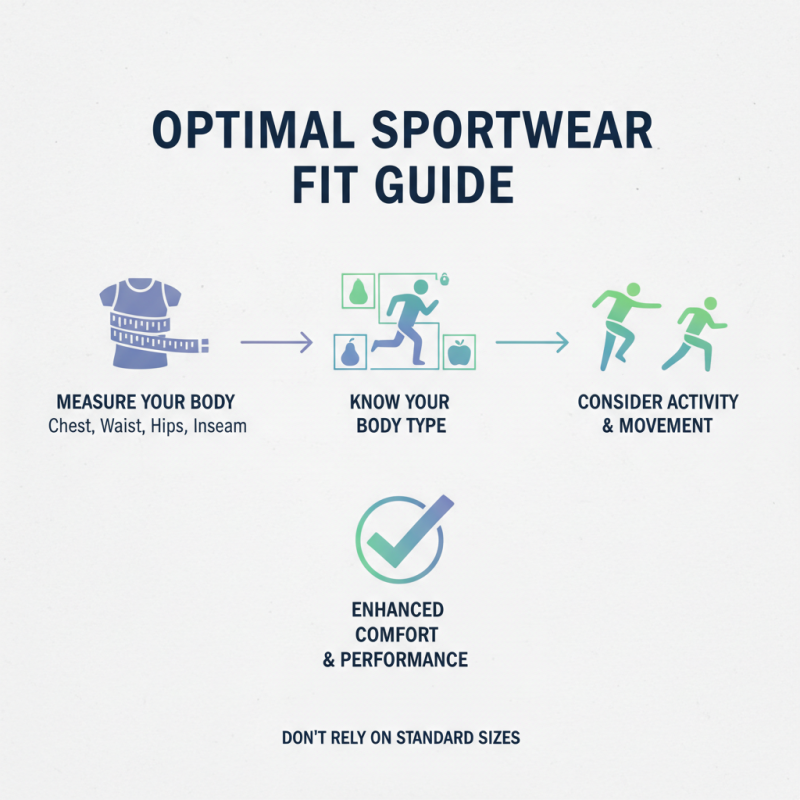
When selecting sportswear, sizing and fit are critical factors that directly influence comfort and performance. It is essential to choose garments that align with your body measurements rather than relying solely on standard sizes, which can vary significantly across different manufacturers. That makes it vital to take accurate measurements of key areas such as the chest, waist, hips, and inseam. Additionally, consider your body type and the specific activities you will be engaging in, as some designs might cater better to certain movements, providing both functionality and style.
Another essential aspect of fit is the choice between tight-fitting and loose-fitting garments. Tight-fitting sportswear often offers improved muscle support and reduces the risk of chafing during intense activities. Meanwhile, looser options can provide greater breathability and freedom of movement, making them suitable for low-impact exercises or casual wear. Pay attention to the material's stretchability and moisture-wicking properties, as these characteristics can greatly enhance comfort during workouts. Ultimately, prioritizing a perfect fit not only enhances your athletic performance but also keeps you comfortable, allowing you to focus on reaching your fitness goals.
Exploring Additional Features and Technology in Modern Sports Wear
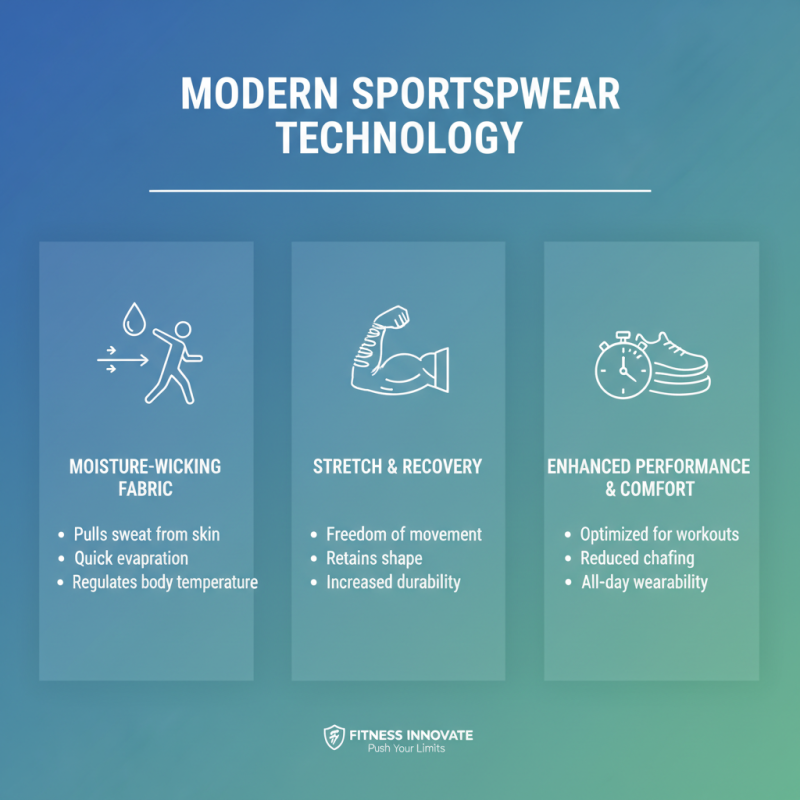
Modern sportswear has evolved significantly, integrating advanced features and technology to enhance comfort and performance for athletes and fitness enthusiasts alike. One notable feature is moisture-wicking fabric, which efficiently pulls sweat away from the skin and allows for quick evaporation. This technology helps maintain a comfortable body temperature during intense workouts by preventing moisture buildup. Additionally, many sports garments now incorporate stretch and recovery materials, allowing for greater freedom of movement while ensuring that the fabric retains its shape after extended use.
Another significant advancement in sportswear is the inclusion of ergonomic designs and specialized seams that reduce friction, minimizing the risk of chafing during physical activities. Some performance gear even comes with built-in compression zones, which promote blood circulation and support muscle recovery. Furthermore, lightweight materials and breathable mesh panels are now commonplace, enhancing ventilation and comfort. These innovations not only bolster athletic performance but also cater to the diverse needs of various sports, making modern sportswear an essential factor in achieving maximum comfort and efficiency during any physical endeavor.