2026 Best Sports Wear Trends You Need to Know?
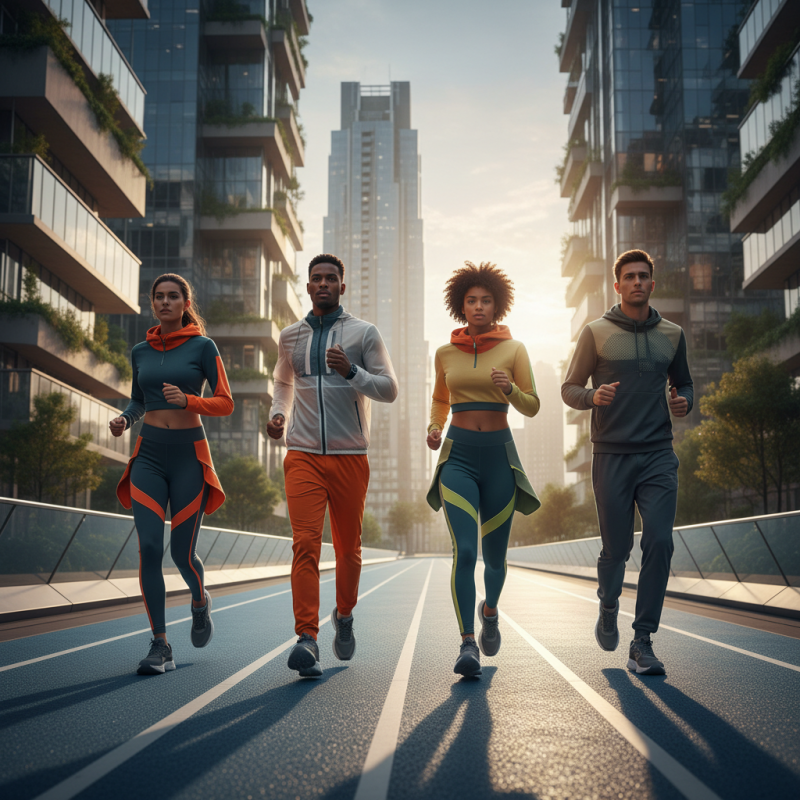
As we look ahead to 2026, the world of sports wear is evolving rapidly. Athletes and casual wearers alike crave styles that combine functionality and flair. The demand for comfortable, performance-enhancing apparel is higher than ever.
In this changing landscape, the latest trends will reflect a mix of innovation and sustainability. Expect to see more eco-friendly materials and sleek designs that cater to both athletic and everyday needs. Color palettes will shift, introducing bold hues alongside calming tones.
However, with so many trends emerging, it can be overwhelming to choose what suits your style. Some trends may not resonate with everyone. There will be a need to find pieces that genuinely reflect personal taste and comfort. Sports wear should inspire confidence while also being adaptable to various activities. Balancing style and practicality is essential for anyone stepping into this vibrant fashion future.
Emerging Fabrics and Technologies Shaping Sports Wear in 2026
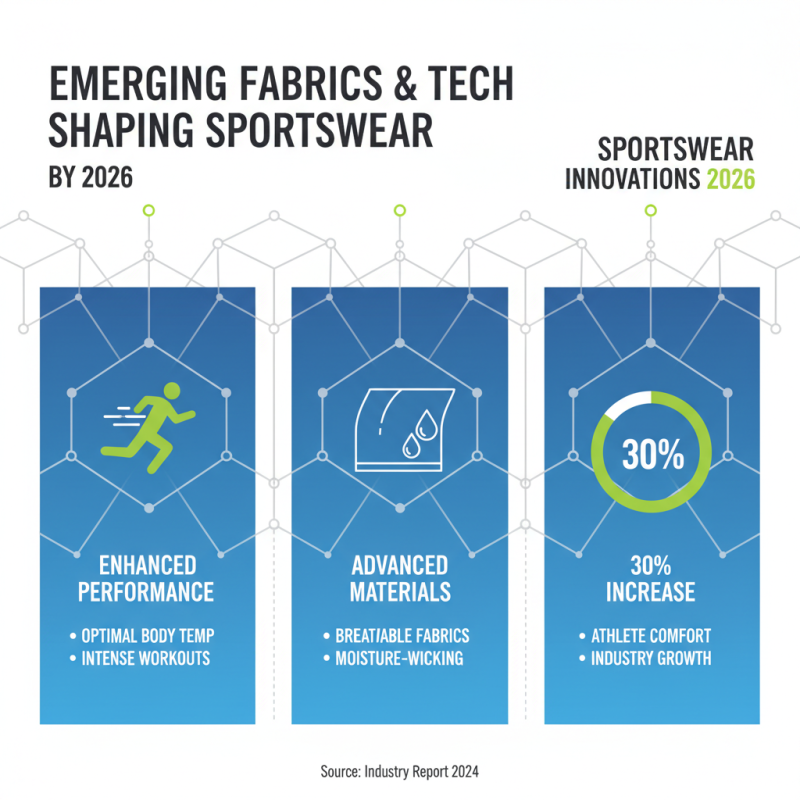
The sportswear landscape is evolving rapidly. By 2026, new materials will dominate the market. Emerging fabrics are designed to enhance performance and comfort. According to a recent industry report, the use of breathable, moisture-wicking fabrics is expected to increase by 30%. This shift helps athletes maintain optimal body temperature during intense workouts.
Technology is also influencing the sportswear sector. Wearable technology integration with fabrics is on the rise. Reports suggest that 25% of athletes will embrace smart textiles by 2026. These textiles can track heart rates and monitor performance. The interaction between fabric and technology creates a more connected experience.
However, challenges exist in this transition. Sustainability must be a priority, yet many manufacturers still rely on harmful materials. Consumers are increasingly aware of these issues. A survey indicates that 60% of buyers prefer eco-friendly options. Brands must address these concerns proactively. Ignoring them could lead to lost market share.
Key Color Trends for Sports Wear in 2026: Bold vs. Subtle
When it comes to sports wear trends in 2026, color choices will play a pivotal role in defining personal style. Expect a clash between bold hues and subtle shades. Bright, vibrant colors will dominate many athletic outfits. These choices are perfect for those who want to stand out during workouts. Neon greens and electric blues can energize your routine.
On the other hand, subtle colors are gaining traction too. Earthy tones like olive green and soft beige offer a calming alternative. These shades are versatile for everyday wear. They provide a chic look while remaining functional for workouts. Combining both styles can create a balanced wardrobe.
Tips: When choosing colors, consider what resonates with your personality. Test outfits in natural lighting to see how colors appear. Don't shy away from mixing bold designs with soft tones for unique combinations. Remember, reflection is key; assess if the colors chosen enhance your mood. The right color can motivate you; the wrong one might bring doubt.
Sustainable Practices in Sports Wear: Eco-Friendly Materials for 2026
Fashion evolves, and so do materials. In 2026, eco-friendly fabrics are at the forefront. Sustainable practices are essential for a greener future. Natural fibers like organic cotton and hemp are gaining attention. These materials offer durability and comfort. They break down quickly, reducing waste in landfills.
Recycled polyester is another popular choice. It uses plastic bottles, turning waste into wearable products. This process helps reduce ocean pollution. But not all recycled fabrics are created equal. Researching their source is vital.
Tips for consumers: Look for certifications that prove sustainability. Familiarize yourself with eco-labels. Support brands that prioritize transparency. Every choice counts. Small steps lead to significant changes. Engaging in discussions around sustainability can also spark awareness. Your purchasing decisions can help the environment.
Functionality vs. Fashion: The Dual Goals of 2026 Sports Wear Designs
In 2026, sportswear design faces a unique challenge. Brands aim to merge functionality and fashion, yet striking the perfect balance remains elusive. According to a recent industry report, 70% of consumers prioritize comfort in their sportswear choices. This statistic indicates a clear demand for performance-driven fabrics and ergonomic designs.
However, the quest for style complicates matters. Trendy cuts and vibrant colors often overshadow practicality. A survey revealed that 58% of athletes believe fashionable designs can compromise essential features, like moisture-wicking or durability. For instance, breathable materials that also look good are hard to come by. Innovation in textile technology is vital, yet not all materials conform to modern styling preferences.
Sustainability plays a crucial role too. A 2023 study highlighted that eco-friendly practices influence 65% of buying decisions. Manufacturers face criticism for not providing transparent sourcing methods. The push for sustainable options should not sacrifice style or function. As companies navigate this dual goal, consumer voices can guide them. Without feedback, they risk alienating their audience. Understanding these dynamics can redefine the future of sportswear in exciting ways.
2026 Best Sports Wear Trends: Functionality vs. Fashion
The chart above illustrates the balance between functionality and fashion in the sportswear trends for 2026. As brands strive to enhance performance while maintaining aesthetic appeal, functionality shows a higher trend popularity at 65%, compared to fashion at 35%.
Athlete-Centric Innovations: Enhancing Performance Through Sports Wear
Athlete-centric innovations are transforming sports wear. The focus now lies on enhancing performance and comfort. According to a recent report, the global sports apparel market is expected to exceed $200 billion by 2026. This growth highlights the increasing demand for functional sports wear tailored for athletes.
New materials are changing the landscape dramatically. For example, moisture-wicking fabrics are designed to keep athletes dry. In addition, advanced insulation technologies help regulate body temperature. However, not all innovations have proven effective. Some athletes report discomfort with overly tight-fitting gear, which can hinder performance.
Wearable technology is also making waves. Smart fabrics can monitor heart rates, providing valuable data for training. A study found that athletes using wearable devices improved their performance by 10% on average. Yet, dependency on technology can lead to distractions. Athletes must find a balance between tech and training. The journey towards optimal performance is ongoing, with room for improvement and reflection.
2026 Best Sports Wear Trends You Need to Know
| Trend |
Description |
Innovative Features |
Target Athletes |
| Smart Fabrics |
Fabrics that adjust temperature based on body heat. |
Thermo-regulation technology. |
Endurance Runners, Cyclists |
| Biofeedback Wear |
Garments with sensors to monitor vital signs. |
Heart rate, muscle tension monitoring. |
Athletes in training, Rehabilitation patients |
| Eco-friendly Materials |
Sports wear made from recycled materials. |
Sustainable manufacturing processes. |
Environmentally conscious consumers |
| Compression Gear |
Tighter fit wear to increase blood flow. |
Enhanced circulation and muscle support. |
Athletes, Bodybuilders |
| Adaptive Fit Technology |
Clothing that molds to body shape dynamically. |
Customizable fit for various body types. |
All athletes |