

10 Best Team Kits Suppliers for Global Buyers?
Choosing a Team Kits supplier is about more than comparing prices and picking a design. Global buyers need to assess fabric quality, sizing consistency, customization options, production capacity, and delivery planning. A sample jersey may look sharp under bright showroom lights. The real test comes after repeated training sessions, when seams, prints, and colors face sweat, washing, and hard use. Small details matter.
Sportswear pioneer and Nike co-founder Bill Bowerman captured the inclusive spirit of teamwear: “If you have a body, you are an athlete.” His words are a useful reminder that kits should serve the people wearing them—not just the team identity. Fit, comfort, and practical movement deserve attention alongside logos and colors. But no supplier can be judged by a catalogue alone.
This guide to the 10 best Team Kits suppliers for global buyers offers a structured starting point. It considers product range, customization, communication, quality controls, and the ability to handle orders across markets. Buyers should still request current samples, confirm size charts, and clarify production and shipping timelines before committing. Ask how replacement pieces are handled, too. A low quote can be tempting; it may not tell the whole story. Supplier comparisons are imperfect, and one buyer’s ideal partner may not suit another’s schedule or budget. That is worth keeping in mind. The strongest choice is the one that can explain its process clearly and match it to your team’s needs.
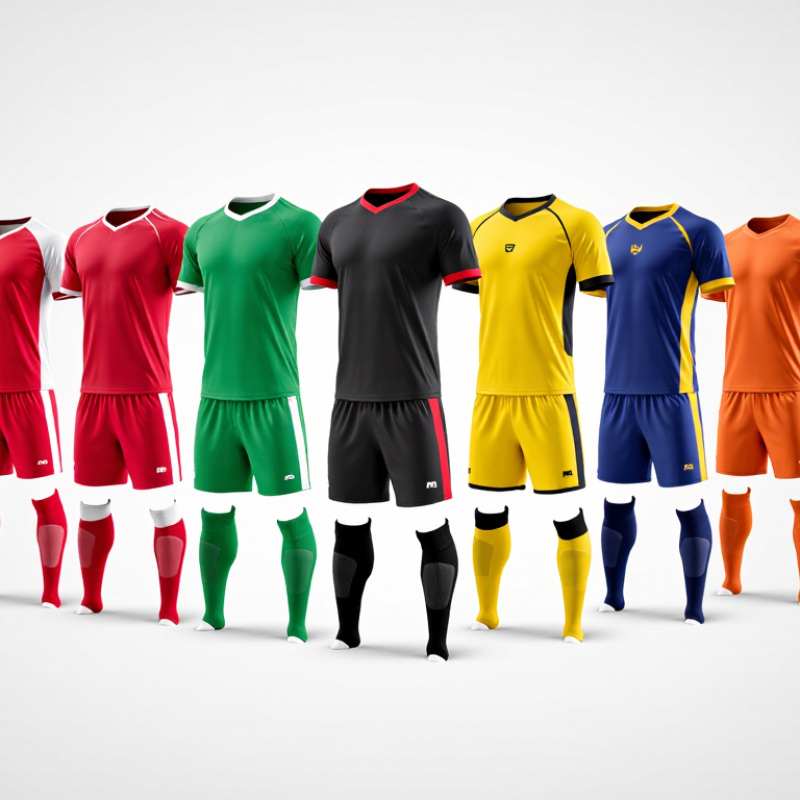
What Team Kits Include and What Global Buyers Need
A team kit usually includes a match jersey, shorts, and socks, with training tops or warm-up layers added when needed. Fabric choice affects comfort, drying time, and durability under repeated washing. Ask whether the material is lightweight, breathable, and suitable for the expected climate. Small details matter. Check collar shape, seam placement, number application, and whether player names are included. A clear specification sheet helps prevent small design differences from becoming costly production problems.
Global buyers need more than a low unit price. Confirm size ranges, garment measurements, fabric composition, color references, and packaging requirements in writing. Request a pre-production sample and compare it with the approved artwork and size chart. A sample can reveal rough seams or a fit that photographs did not show. Also check production capacity, realistic lead times, quality inspection steps, and shipping arrangements. Keep some time for revisions; schedules can slip. And honestly, size charts can look precise while still fitting differently across cuts, so test several sizes before confirming a large order. Ask how defects are handled and what order records are provided. These details make supplier comparisons more reliable.
10 Best Team Kits Suppliers for Global Buyers? — What Team Kits Include and What Global Buyers Need
How to read this table: These are supplier categories and sourcing models, not named companies or a ranked list. Capabilities, order minimums, lead times, and shipping terms vary by supplier and should be confirmed in a written quotation. A basic team kit commonly consists of a jersey and shorts; socks, warm-ups, and accessories are often separate or optional.
| Supplier category | Typical team-kit scope | Common customization | Potential fit for global buyers | What to verify before ordering |
|---|---|---|---|---|
| 1. Custom sportswear manufacturers | Jerseys and shorts; socks and training garments may be available as add-ons. | Team colors, player names and numbers, logos supplied by the buyer, and garment details. | Clubs, schools, and organizations seeking coordinated, made-to-order uniforms. | Sample quality, size grading, artwork approval process, minimum order, production schedule, and shipping terms. |
| 2. OEM teamwear factories | Products made to a buyer’s specifications, which may include match kits, training tops, and shorts. | Specifications provided by the buyer, such as fabric, colors, labels, and packaging. | Buyers with established product requirements and the capacity to manage detailed production approvals. | Factory capabilities, material specifications, quality-control steps, ownership of supplied artwork, and export documentation. |
| 3. ODM teamwear makers | Existing garment designs adapted for team orders; kit pieces and available options depend on the supplier. | Available colorways, decoration, and selected design details may be changeable. | Buyers who want a supplier’s existing designs adapted rather than developing garments from scratch. | Which design elements can be changed, whether samples match bulk production, and any restrictions on artwork or colors. |
| 4. Sublimation specialists | Often focused on printed jerseys and shorts; socks and other kit items may need to be sourced separately. | All-over graphics and color patterns can be printed into suitable synthetic fabric during production. | Teams needing detailed, multi-color designs across a garment. | Print placement, color approval, fabric composition, wash-care guidance, sample results, and whether each item is made in-house. |
| 5. Cut-and-sew uniform makers | Garments assembled from fabric panels, potentially including jerseys, shorts, and warm-up pieces. | Panel shapes, garment construction, fabric choices, and finishing details, subject to capability. | Buyers seeking more control over garment construction and product specifications. | Pattern and size approval, fabric availability, construction standards, production capacity, and acceptable defect procedures. |
| 6. Private-label apparel manufacturers | Team garments produced for sale under the buyer’s own label; kit components vary by manufacturer. | Buyer-provided labels and packaging may be possible, alongside product and color choices. | Retailers, distributors, or organizations developing their own apparel line. | Label and packaging requirements, applicable product regulations, trademark permissions, minimums, and product traceability. |
| 7. Teamwear wholesalers | Ready-made jerseys, shorts, socks, and training apparel sold from available stock or seasonal ranges. | Decoration such as names, numbers, or logos may be offered separately or through a decorating partner. | Buyers prioritizing access to established stock ranges or repeat replenishment. | Stock availability, size and color continuity, decoration turnaround, return terms, and whether items ship from one location. |
| 8. Authorized uniform distributors | Team sets assembled from apparel ranges and related items available through a distributor. | Customization options depend on the products and decoration services offered. | Teams that value local ordering support, product guidance, or coordinated purchasing. | Territory and sales authorization, product availability, customization deadlines, delivery destination, and after-sales support. |
| 9. Apparel sourcing agents | Can coordinate sourcing for jerseys, shorts, socks, and related garments through selected factories. | Depends on the factories and services the agent coordinates. | Buyers who need assistance communicating specifications or coordinating production across suppliers. | Agent fees, factory identity and audit information, responsibility for inspections, communication process, and dispute handling. |
| 10. Online B2B sourcing platforms | Listings may cover custom kits, ready-made teamwear, and individual kit components from different sellers. | Varies by seller; confirm whether customization is performed by the seller or an external provider. | Buyers comparing multiple suppliers and requesting quotes for different order requirements. | Seller verification, sample and payment terms, specification details, shipping and import costs, and platform dispute protections. |