China Best Sports Wear for Women Suppliers?
Finding the best sports wear for women suppliers in China requires more than comparing prices. It means examining fabric performance, production experience, communication, and quality controls. A reliable supplier should understand different training needs, from yoga studios to outdoor running tracks. Soft, breathable fabric matters during long workouts. Strong seams matter even more.
This guide explores how buyers can evaluate Chinese manufacturers with practical confidence. It considers moisture-wicking textiles, four-way stretch, colorfastness, size grading, and responsible packaging. Sample garments can reveal details that catalog images hide. Check waistband recovery, stitching tension, zipper movement, and fabric weight by hand. Small flaws often become expensive problems.
Supplier credibility also deserves careful attention. Review factory experience, product certifications, audit records, and export history where available. Ask how defects are inspected before shipment. Clear answers are valuable. Vague promises are not. Buyers should also confirm minimum order quantities, sampling fees, lead times, and after-sales support. These details shape the real cost of a partnership.
No supplier is perfect.
Even experienced manufacturers may need closer guidance on fit, colors, or seasonal demand. A thoughtful sourcing process leaves room for correction. It compares evidence instead of trusting impressive claims. The following sections will help businesses identify capable sports wear for women suppliers, reduce avoidable risks, and build more dependable purchasing decisions.
What Defines a Reliable Women’s Sportswear Supplier in China
What Defines a Reliable Women’s Sportswear Supplier in China
A reliable women’s sportswear supplier understands movement, fit, and repeated washing.
In practice, I look for factories that test fabric stretch, recovery, colorfastness, and moisture control before production. A sample should survive squats, running, and ordinary daily use.
Small details matter.
Waistbands should stay flat, seams should not rub, and pockets must hold a phone securely.
Factory experience is visible in the questions they ask.
A professional supplier confirms size charts, fabric weight, stitching methods, packaging, and delivery requirements. They should provide clear production records and explain how quality inspections are handled.
Independent testing documents can support claims about fiber content and product safety. Certifications may help, but paperwork alone does not prove consistent workmanship.
Communication also reveals reliability.
Replies should be specific, not simply “no problem.” A dependable team reports delays early and shares photos from sampling or inspection stages. I would request a pre-production sample and compare it with the approved specifications.
Some suppliers offer attractive prices by reducing fabric weight or changing accessories without notice. That is a warning.
My own judgment can be imperfect, especially when judging photographs, so physical samples and third-party inspections remain valuable. A long-term supplier accepts these checks without treating them as distrust.
Key Product Categories Offered by Chinese Women’s Sportswear Suppliers
China Best Sports Wear for Women Suppliers?
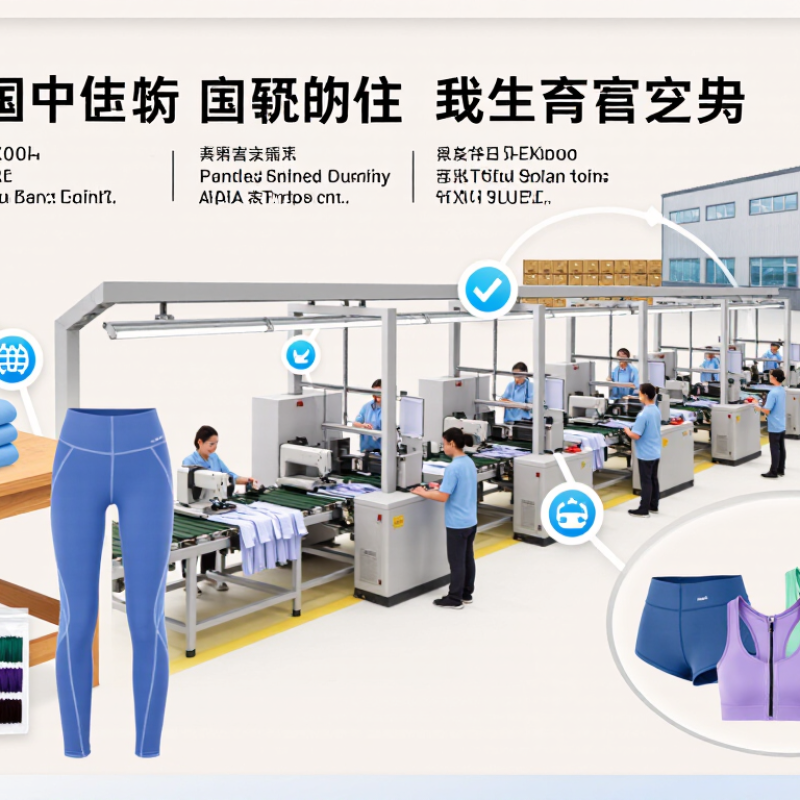
Chinese women’s sportswear suppliers usually organize their collections around leggings, sports bras, training tops, shorts, jackets, and coordinated sets. Leggings often use nylon-spandex or polyester-spandex blends, with high waistbands, gussets, and flat seams for movement. Sports bras range from light-support yoga designs to high-support running styles. Product testing should check stretch recovery, colorfastness, pilling, and seam strength. A soft fabric can still fail after repeated washing.
The broader market supports this specialization. Grand View Research valued the global sports apparel market at about USD 193 billion in 2023, with continued growth expected through 2030. Textile Exchange’s 2024 Materials Market Report also shows polyester remains the dominant fiber worldwide, making recycled-polyester options increasingly relevant for procurement teams. However, recycled content claims need proper transaction certificates and traceable documentation. A catalogue is not proof.
For outdoor buyers, suppliers add windbreakers, thermal layers, rain-resistant shells, and reflective details. Fitness collections may include seamless tops, biker shorts, tennis skirts, and adjustable training jackets. In practical sourcing, request size charts, fabric composition, wash-test results, and production samples before placing volume orders. Check elastic recovery after ten washes. It reveals problems quickly. Minimum order quantities, pattern fees, and color limits also affect the real cost. Low pricing looks attractive, but inconsistent sizing can damage customer trust. Something may be missed. Suppliers and buyers should review fit data together, not rely on photographs alone.
China Best Sportswear for Women Suppliers: Key Product Categories
The chart compares typical minimum order quantities (MOQ) commonly used in Chinese wholesale sportswear production. Core categories such as leggings, sports bras, tops, shorts, jackets, and tracksuits are widely available, while exact MOQs vary by fabric, customization, sizing, and production method.
How to Evaluate Quality, Materials, and Manufacturing Standards
When evaluating Chinese women’s sportswear suppliers, inspect the fabric before admiring the design. Textile Exchange’s Materials Market Report 2024 states that polyester represented about 57% of global fiber production in 2023. Ask whether the supplier uses virgin or recycled polyester, and request fiber-content test results. Nylon, elastane, and polyester behave differently under sweat, stretching, and repeated washing. Check fabric weight, recovery, pilling resistance, colorfastness, and opacity under strong light. A smooth sample can still fail after ten washes.
Manufacturing standards require evidence, not confident promises.
Request recent laboratory reports, production records, and quality-control procedures. ISO 9001 can indicate a structured quality system, but certification alone does not guarantee excellent leggings. Inspect seam strength, waistband tension, flatlock stitching, and print adhesion. The supplier should provide size-grading data and a documented inspection method. Textile Exchange reported global fiber production reached approximately 124 million tonnes in 2023, showing the scale of material choices and their environmental consequences. Sustainability claims need traceable documents. Vague certificates are warning signs.
Tips: Order samples from different production batches. Wash them repeatedly. Measure stretch recovery after drying. Ask for a pre-production sample and a final random inspection. Check factory capacity during peak seasons. Do not rely only on photographs. Some small defects are acceptable; hidden defects are not. Even experienced buyers can overlook uncomfortable seams or see-through fabric, so independent testing remains worthwhile.