How to Choose the Best Fitness Wear for Your Workout?
When it comes to fitness wear, the right choice can significantly impact your workout experience. Sarah Johnson, a renowned expert in sports apparel, once said, "The right clothing can transform your workout by enhancing both comfort and performance." Choosing the best fitness wear is not just about style; functionality matters too.
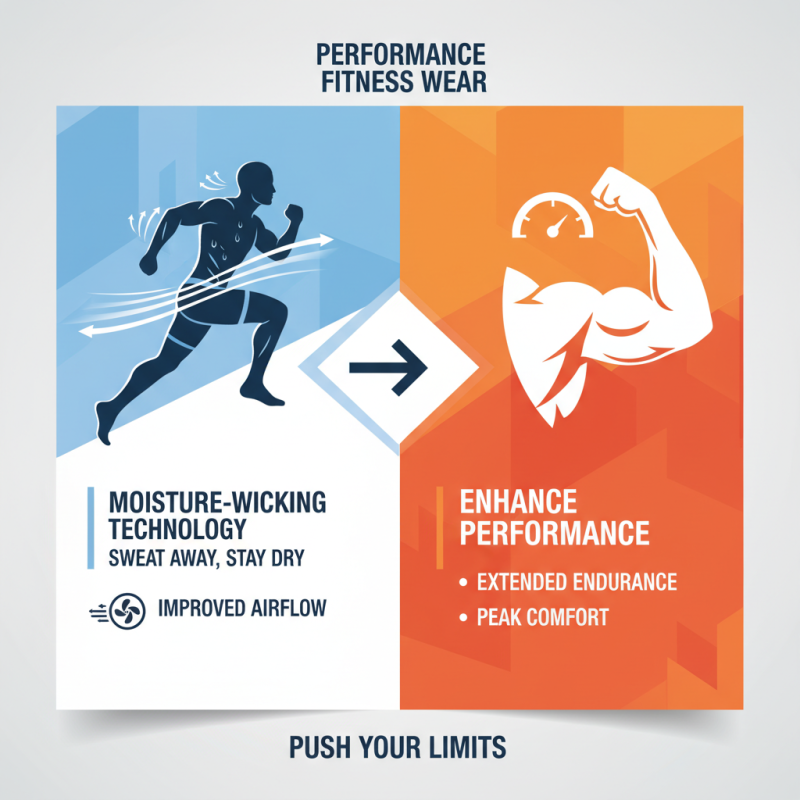
Consider the activity you'll engage in. Different workouts demand different types of apparel. For instance, high-intensity training requires breathable, moisture-wicking fabric to keep you dry. On the other hand, yoga may need more flexible clothing for better movement. Pay attention to fit and material. It’s vital to ensure your fitness wear supports your body while allowing ease of movement.
Also, reflect on your needs. Perhaps, the best fitness wear you own feels restrictive or chafes during a run. Acknowledging this issue is a step toward improvement. Don't settle for discomfort; seek out garments that elevate your experience. Empower your fitness journey through thoughtful choices in your fitness wear.
Understanding Fabric Types and Their Properties in Fitness Wear
Choosing the right fabric for fitness wear can make a significant difference in your workout experience. Different materials have unique properties that can enhance or hinder your performance. For instance, polyester is lightweight and moisture-wicking, ideal for high-intensity workouts. Cotton, while comfortable, can absorb sweat and become heavy, making it less suitable for intense activities.
Tip: Always check the fabric composition. Look for blends that combine breathability with stretch. This will help you achieve greater mobility during your exercises.
Another popular option is nylon, known for its durability and water resistance. It provides great support and can handle rigorous training sessions. However, it may lack breathability, leading to overheating. Spandex adds flexibility, making it perfect for yoga or pilates but may not be the best choice for outdoor runs.
Tip: Pay attention to garment care. Improper washing can degrade fabric properties, reducing performance. Always follow care instructions to maintain the quality of your fitness wear.
The Importance of Proper Fit for Optimal Performance During Workouts
The right fit of fitness wear
greatly impacts workout performance. Tight clothing can restrict movement, while loose items may cause distraction.
Proper fit allows freedom to move comfortably. For instance, during a run, you want your shorts to stay in place.
You don’t want to adjust them constantly.
Consider the fabric as well. Breathable materials help keep sweat away.
However, some fabrics may chafe against the skin. It's crucial to test them during a workout to find out.
A pair of leggings might feel perfect at first but may irritate during intense training.
Don’t forget the importance of support. For high-impact activities, proper support is key.
This may be particularly important for women during running or jumping.
Choosing the right fit can enhance performance and prevent injuries.
The goal is to feel great and focus solely on the workout.
Keep assessing what works best for your body.
Choosing the Right Footwear Based on Activity Type and Body Mechanics
Choosing the right footwear is crucial for any workout. Different activities demand specific support and cushioning. Running, for instance, requires shoes with ample cushioning to absorb impact. A 2021 study reported that approximately 80% of runners are prone to injuries due to improper footwear.
Weightlifting, on the other hand, needs shoes that provide stability. Flat-soled shoes help maintain balance and enhance performance during lifts. According to the International Journal of Sports Medicine, lifters using inadequate shoes can experience a 15% decrease in lifting capacity. This shows the importance of having the right gear.
Additionally, consider your body mechanics. Overpronators need stability shoes, while neutral runners benefit from cushioned options. A personal reflection on footwear can reveal painful experiences. Improper choices can lead to discomfort and injuries. Always assess your unique needs. Make adjustments as you learn more about your body.
Footwear Choices for Different Workout Activities
Considering Sustainability in Fitness Wear: Trends and Consumer Choices
Sustainability in fitness wear is becoming essential. A recent report shows that 72% of consumers consider eco-friendliness when buying workout gear. This shift is driven by a rising awareness of environmental issues. Many now prefer materials made from recycled plastics or organic fabrics.
Yet, there are gaps in the market. While eco-friendly options exist, they often lack style or performance. Research indicates that only 15% of sustainable products meet consumer expectations for durability and comfort. This discrepancy highlights the need for brands to innovate. The industry must address quality alongside sustainability.
Consumers also face challenges. Price can be a barrier. Sustainable items may cost more, limiting access for some. Additionally, misinformation around product claims can confuse buyers. Transparency is crucial for building trust. With 56% of shoppers wanting clearer labels, brands must step up. Balancing style, performance, and eco-friendliness demands ongoing effort. The journey toward greener fitness apparel is far from complete.
How to Choose the Best Fitness Wear for Your Workout? - Considering Sustainability in Fitness Wear: Trends and Consumer Choices
| Feature |
Sustainable Material Options |
Consumer Preference (%) |
Price Range (USD) |
| Moisture-Wicking |
Recycled Polyester |
45% |
30 - 70 |
| Breathability |
Organic Cotton |
35% |
25 - 60 |
| Stretchability |
Bamboo Fabric |
20% |
40 - 80 |
| Durability |
Hemp |
15% |
50 - 100 |
| Eco-Friendly Dyes |
Non-Toxic Dyes |
30% |
20 - 90 |