Why Choose a Custom Leather Handbag Manufacturer for Your Brand?
In today's competitive fashion industry, choosing a custom leather handbag manufacturer can be pivotal for brand success. The global leather goods market is projected to reach $490 billion by 2025, with handbags as one of the fastest-growing segments. Staying ahead requires strategic partnerships with reliable manufacturers who understand market trends and consumer preferences.
A custom leather handbag manufacturer offers more than just products; they provide expertise and craftsmanship. Quality matters. Research indicates that 70% of consumers prioritize durability and design in luxury handbags. Brands that collaborate with specialized manufacturers can create unique pieces tailored to their target audience, fostering brand loyalty and recognition.
However, not every manufacturer delivers the same quality or service. It’s essential to evaluate potential partners carefully. A mismatch in production capabilities or design vision can lead to frustrations. Thoughtful selection can mitigate risks and enhance your brand's reputation in a crowded market. Trustworthy manufacturers should align with your vision and values, ensuring their craftsmanship reflects the quality your brand stands for.
Understanding the Benefits of Custom Leather Handbags for Brands
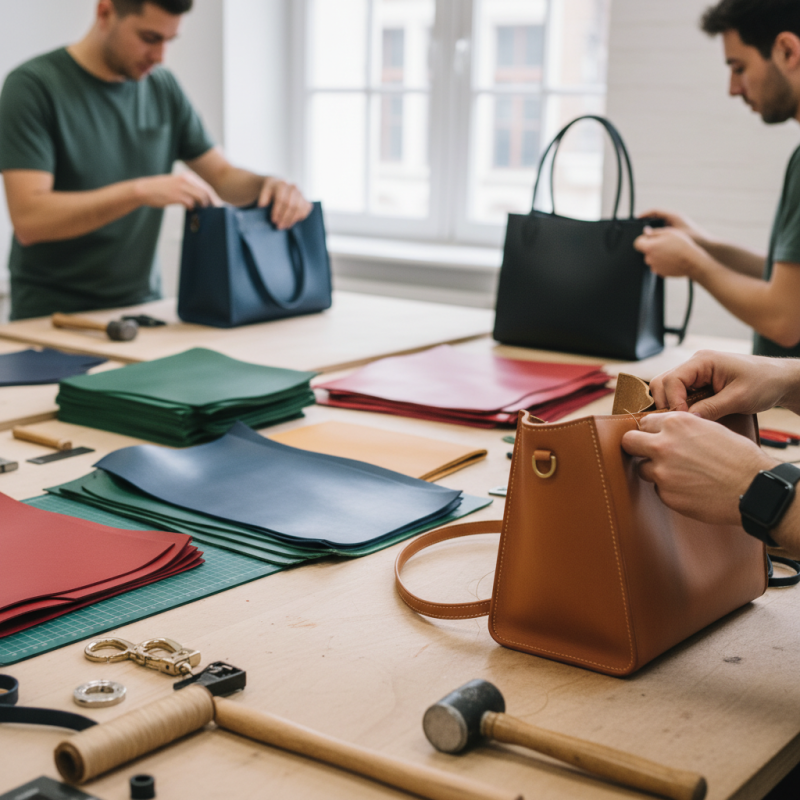
Custom leather handbags offer a unique opportunity for brands to express their identity. When a brand collaborates with a custom manufacturer, it ensures that every detail aligns with its vision. This includes choosing the leather type, color, and even the stitching pattern. Each decision has a direct impact on brand representation.
Customers today crave authenticity. A custom handbag tells a story. It reflects the craftsmanship and attention to detail that mass-produced items lack. This connection fosters loyalty. When customers feel a personal tie to a product, they become repeat buyers. However, defining that unique identity can be challenging. Brands must continuously evaluate what sets them apart.
Sustainable practices can also play a vital role. Eco-friendly materials and ethical sourcing attract conscious consumers. Yet, not all custom manufacturers prioritize these practices. Brands should do their homework before committing. Transparency matters. Investing in a reliable manufacturer can lead to long-term benefits, but it requires diligence and foresight.
Benefits of Custom Leather Handbags for Brands
Key Factors in Selecting a Custom Leather Handbag Manufacturer
When selecting a custom leather handbag manufacturer, several critical factors must be considered. The first is quality. According to a report by Allied Market Research, the global leather goods market is expected to hit $423 billion by 2027, driven by consumer demand for high-quality materials. A manufacturer’s commitment to quality can directly impact your brand's reputation in this competitive market.
Another important factor is craftsmanship. A skilled manufacturer will use traditional techniques alongside modern innovations. This blend often results in bags that not only look good but also last longer. For example, a study from the Leather Industries of America indicates that well-crafted leather bags can last over a decade, giving brands a distinct edge in sustainability messaging.
Communication is key in this partnership. A manufacturer who listens to your vision and provides feedback can identify potential design flaws or cost overruns. However, not all manufacturers excel in this aspect. Some may prioritize their processes over client needs, leading to potential frustrations. Flexibility and responsiveness in communication ultimately determine the success of your collaboration.
The Importance of Quality Craftsmanship in Custom Handbag Production
Craftsmanship plays a crucial role in the production of custom leather handbags. Each piece is a reflection of the artisan’s skill and attention to detail. A well-crafted handbag goes beyond aesthetics; it embodies durability and functionality. Selecting a manufacturer who values quality ensures that your product stands out in a crowded market. Skilled craftsmen utilize traditional techniques to create pieces that remain timeless.
When choosing a manufacturer, examine their dedication to quality. Look for their use of high-grade leather, precise stitching, and innovative designs. Small imperfections can sometimes occur, such as slight variations in color or texture. These unique characteristics can add charm and authenticity. Do not overlook them; they often tell a story of craftsmanship and individuality.
Another aspect to consider is the manufacturer’s commitment to sustainable practices. Responsible sourcing of materials should be a priority. Additionally, ethical production methods reflect well on your brand. Consumers appreciate transparency in the supply chain. Building a trustworthy relationship with a skilled manufacturer will enhance your brand's reputation and attract discerning customers.
How Customization Options Enhance Brand Identity and Appeal
Customization plays a key role in enhancing brand identity. A study by McKinsey reports that 71% of consumers prefer personalized experiences. This trend applies to fashion and accessories, especially in the leather handbag sector. A custom leather handbag manufacturer allows brands to offer unique products. This uniqueness resonates deeply with customers and builds loyalty.
Custom options, such as material selection and design features, cater to specific customer preferences. For instance, companies can create limited editions or unique colors. According to Statista, the global leather goods market is expected to grow by 5.7% annually. Brands can leverage this growth by offering distinct and appealing bags that stand out in a saturated market.
Tips: Always consider your target audience’s tastes. Conduct surveys or focus groups to gather insights. Reflect on your unique selling point. Regularly review your customization options based on customer feedback. Quality matters. Ensure your manufacturer maintains high standards. Inconsistencies can harm your brand’s reputation.
Evaluating Cost-Effectiveness of Partnering with a Manufacturer
When considering a custom leather handbag manufacturer, cost-effectiveness plays a significant role. A dedicated manufacturer provides tailored solutions that can streamline production. This direct partnership often reduces overhead costs. You save on middleman fees while gaining access to premium materials suited to your brand's identity. Each handbag becomes not just a product but a representation of your brand's values.
Evaluating expenses is complex. While the initial investment may seem high, consider the long-term savings. Higher-quality leather often means these handbags last longer. This durability can lead to customer loyalty and repeat purchases. However, analyze the quality versus quantity dynamic carefully. Producing fewer high-quality bags may yield better returns than making many cheaper versions.
It's essential to foster a relationship based on trust and transparency. Not all manufacturers offer straightforward pricing. Hidden costs can arise during the production process. You might encounter unexpected challenges, requiring revisions and extra expenditure. A reliable partner should communicate these issues upfront, allowing you to adjust budgets accordingly. Be prepared for these situations, and maintain an open dialogue to ensure your partnership remains fruitful.