What is Double Covered Yarn and its Applications in Textile Industry?
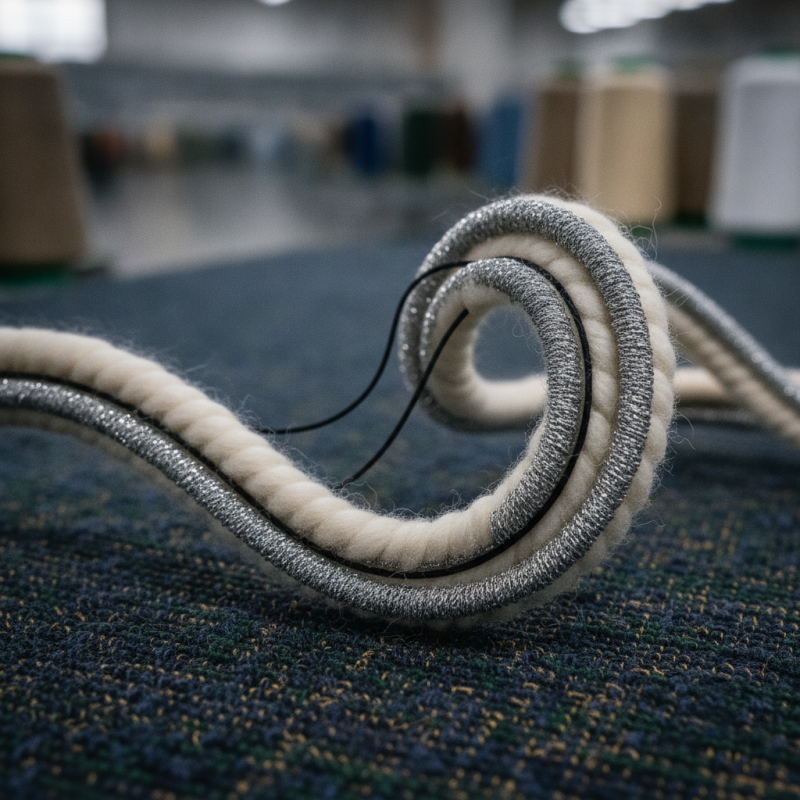
Double Covered Yarn is a fascinating textile innovation. This unique yarn consists of a core fiber wrapped by two distinct fibers. Such a structure enhances both functionality and aesthetics in fabric creation. It can significantly improve durability, comfort, and visual appeal in various applications.
In the textile industry, Double Covered Yarn is versatile. It is used in garments, upholstery, and technical fabrics. Designers appreciate its ability to blend different textures and colors seamlessly. This versatility often leads to unique fabric designs that can stand out in a crowded market.
However, not all applications of Double Covered Yarn have been perfected. Issues may arise, such as inconsistent yarn tension during production. These challenges call for further exploration and refinement. The ongoing research aims to address these imperfections, pushing the boundaries of what is possible in textile manufacturing.
Definition of Double Covered Yarn and Its Composition
Double covered yarn is an innovative textile product. It consists of two layers of yarn: an inner core and an outer sheath. The core can be made from materials like polyester or nylon, while the outer layer is often comprised of softer fibers such as cotton or acrylic. This dual-layer design enhances the durability and versatility of the yarn. According to the Textile Research Journal, double covered yarn increases fabric strength by approximately 30%. This makes it ideal for applications where longevity is crucial.
The composition of double covered yarn varies depending on its intended use. For example, fashion textiles may use a more delicate outer layer, while industrial applications might require sturdier fiber combinations. The dual structure allows for varied texture and appearance, enabling designers to explore creative possibilities. A report from TechNavio indicates that the demand for double covered yarn in activewear and outdoor apparel is rising, driven by consumers seeking both comfort and performance. These trends reveal both opportunities and challenges in maintaining quality while scaling production.
While double covered yarn offers many benefits, its production process can be complex. The need for precise spinning techniques requires skilled labor and advanced machinery. Additionally, sourcing quality materials poses a challenge for manufacturers. Balancing cost and quality is essential yet not always easy. The textile industry must navigate these hurdles to fully utilize double covered yarn’s potential.
Application of Double Covered Yarn in Textile Industry
Types of Fibers Used in Double Covered Yarn
Double covered yarn is a unique textile innovation made by wrapping one fiber around another. This technique enhances strength and durability. Different fibers are used in the process, contributing to various functionalities.
Common fibers include polyester, acrylic, and nylon. Polyester adds strength, while acrylic provides a soft touch. Nylon is known for its elasticity, making it a great choice for activewear. Blends of these fibers can yield even more specific properties, like moisture-wicking or breathability.
Tips: When selecting fibers for double covered yarn, consider the end-use. A balance of durability and comfort is essential. Experimenting with different blends can also lead to unexpected and exciting results. However, be aware that not all combinations yield the desired performance. Proper testing is crucial. Always reflect on the implications of your choices, and prioritize quality in every step.
Manufacturing Process of Double Covered Yarn
Double covered yarn is gaining traction in the textile industry due to its unique properties and production processes. The manufacturing of double covered yarn involves twisting together two types of yarn: a core yarn and a covering yarn. The core yarn often consists of materials like polyester or nylon, while the covering yarn is typically made of a softer fiber, such as cotton or acrylic. This combination creates a durable yet soft product, enhancing the versatility of fabrics made from it.
According to a report by the Textile Development Institute, the global market for double covered yarn is expected to grow by 15% annually. This surge is driven by the increasing demand for high-performance textiles in various applications, including sportswear and home furnishings. Manufacturers are investing in advanced machinery that allows for precise twisting and coating processes. This technology improves the yarn's properties, such as resistance to abrasion and moisture.
Tip: When selecting double covered yarn, consider the core and covering material ratios. The right combination can significantly affect the fabric's feel and durability. Maintaining consistency in the manufacturing process is vital but can be challenging. Variations may occur due to machine calibration or raw material differences. Understanding these factors will help ensure quality production.
Applications of Double Covered Yarn in the Textile Industry
Double covered yarn is gaining traction in the textile industry due to its unique properties. This yarn consists of a core filament wrapped in multiple layers of fiber, providing enhanced durability and elasticity. According to a recent industry report, the global demand for technically advanced textile materials is projected to grow at a CAGR of 5% from 2022 to 2027. Such innovations are crucial for meeting consumer needs in various applications.
Applications of double covered yarn are wide-ranging. In performance textiles, it's used in activewear, providing moisture-wicking and breathability features. Reports indicate that the activewear segment is expected to reach $350 billion by 2025. This yarn also plays a key role in home textiles, offering resistance to wear and tear. These attributes make it suitable for upholstery fabrics. However, while these benefits are clear, there remains a challenge regarding production costs. Balancing quality and affordability is an ongoing concern for manufacturers.
Double covered yarn is often used in the automotive sector as well. Its resilience against harsh conditions makes it ideal for interior applications. Nevertheless, sourcing the right materials can be complex. Manufacturers must ensure that the fibers used meet safety and environmental standards. As double covered yarn continues to evolve, addressing these concerns is essential for sustainable growth in the textile industry.
What is Double Covered Yarn and its Applications in Textile Industry?
| Applications | Material Used | Properties | Benefits |
| Knitted Fabrics | Polyester & Nylon | Soft, Stretchable | Comfortable and Durable |
| Sportswear | Cotton & Elastic Fiber | Breathable, Flexible | Moisture Wicking |
| Home Textiles | Wool & Polyester | Insulating, Soft | Luxurious Feel |
| Outdoor Apparel | Nylon & Spandex | Water-resistant, Lightweight | Protection Against Elements |
| Fashion Apparel | Silk & Synthetic Blends | Shiny, Drapable | Elegance and Style |
Advantages and Disadvantages of Using Double Covered Yarn
Double covered yarn is increasingly popular in the textile industry, valued for its unique characteristics. It consists of a core yarn wrapped with one or two layers of another fiber. This structure adds strength and enhances texture. However, it is important to weigh both its advantages and disadvantages.
One major advantage of double covered yarn is its versatility. This yarn type can create fabrics that are both lightweight and durable. It often exhibits excellent stretch and recovery properties, making it ideal for activewear. Furthermore, double covered yarn can enhance the aesthetic appeal of the fabric, allowing for a variety of design possibilities.
Despite these benefits, there are challenges to consider. The production process can be complex, leading to higher manufacturing costs. This can limit accessibility for smaller brands. Additionally, the care requirements for fabrics made with double covered yarn may be more demanding. Some users report difficulty in maintaining the desired texture after washing. Balancing these pros and cons is crucial for those in the textile industry exploring double covered yarn options.