Top Fitness Wear Trends for Global Buyers in 2026?
The fitness wear industry is evolving rapidly. By 2026, it is projected to reach $250 billion globally, according to the latest market research. This growth signifies a shift in consumer behavior, with many prioritizing quality and functionality in their activewear choices. Fitness wear is no longer just about aesthetics; it's about performance and sustainability.
Recent surveys reveal that 72% of consumers are interested in sustainable materials in their fitness wear. This highlights a growing demand for environmentally friendly options. However, many brands still struggle to balance style with sustainability. There is an opportunity for innovation in this sector, yet it remains a challenge for many manufacturers.
The rise of digital fitness trends has also influenced the fitness wear market. With the increase in online workouts, consumers seek versatile clothing suitable for various activities. As we approach 2026, brands must adapt to these changing preferences to remain competitive. The future of fitness wear holds promise but also calls for reflection on how brands can align with consumer values.
Emerging Fabric Technologies Shaping Fitness Wear Innovations in 2026
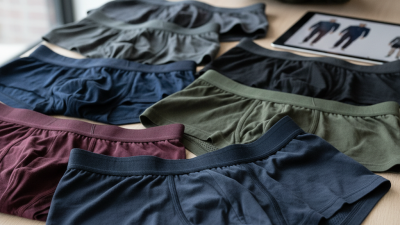
As we approach 2026, the fitness wear industry is experiencing significant changes driven by emerging fabric technologies. Lightweight materials are transforming athletic apparel. This shift promotes greater performance and flexibility during workouts. Advanced moisture-wicking fabrics are gaining popularity. They keep athletes dry and comfortable, even during intense sessions.
Innovative textile solutions are also addressing sustainability. Recycled fibers are becoming mainstream in fitness wear. These eco-friendly materials are not only good for the planet, but they also offer durability. Brands are exploring plant-based fabrics too. This move challenges traditional synthetic options, raising questions about long-term effectiveness.
However, drawbacks remain. Not all emerging materials perform equally under stress. Some may lack the durability needed for high-impact exercises. Consumer awareness of these issues is crucial. Buyers should educate themselves on the strengths and weaknesses of new fabrics. Keeping informed will empower them to make the best choices for their fitness needs.
Sustainable Manufacturing Practices in the Fitness Apparel Industry
The fitness apparel industry is witnessing a significant shift towards sustainable manufacturing practices. According to a recent report by McKinsey, 66% of consumers find sustainability to be a key purchasing factor. This trend is driving manufacturers to adopt eco-friendly materials like organic cotton and recycled polyester. These materials not only reduce environmental impact but also resonate with eco-conscious consumers.
However, the transition is not without challenges. Many brands struggle to maintain quality while adopting sustainable methods. For instance, some recycled fabrics can be less durable than their traditional counterparts. Additionally, the supply chain for sustainable materials is often inconsistent, leading to production delays. Industry experts stress the importance of transparency. Consumers want to know the origin of materials used in their garments.
The fitness apparel market is expected to grow significantly by 2026. It is projected to reach $350 billion globally, according to Statista. With this growth, the emphasis on sustainability will only intensify. Companies that successfully blend innovation with eco-friendly practices stand to gain a competitive edge. Those that fail to adapt may find themselves falling behind. This evolving landscape calls for continuous reflection and adaptation within the fitness apparel sector, ensuring that sustainability is not just a trend but a guiding principle.
Popular Styles and Designs Influencing Global Fitness Wear Trends
In 2026, global fitness wear trends continue to evolve, driven by innovative designs and changing consumer preferences. Reports indicate that the functional athleisure sector is witnessing substantial growth, as people increasingly choose versatile activewear for both workouts and everyday wear. Studies show that approximately 70% of consumers prefer clothing that combines performance with style, reflecting the need for garments that offer comfort and functionality.
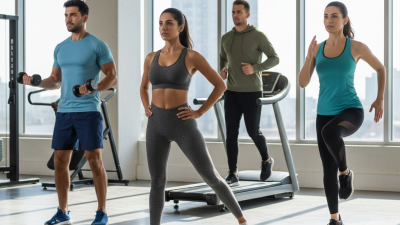
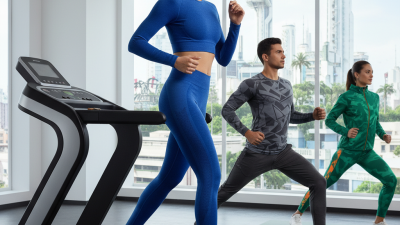
Popular styles include high-waisted leggings, crop tops, and oversized jackets. These items not only enhance performance but also allow for freedom of movement. Features such as moisture-wicking fabrics and seamless technology are becoming standard. Anti-odor treatments and UV protection are also likely to gain traction, catering to health-conscious buyers.
Tips: Seek out sustainable options. Eco-friendly materials resonate with environmentally aware consumers. Look for brands employing recycled fabrics. Personalization in fitness wear is also rising, as custom designs appeal to a broader audience. Social media platforms showcase individual styles and provide inspiration that influences purchasing decisions. Engaging with influencers may lead to better awareness of upcoming trends and designs.
Consumer Preferences and Buying Behaviors in the Fitness Market
The fitness market is rapidly evolving, reflecting changing consumer preferences and buying behaviors. Research from the Global Wellness Institute reveals that the global fitness industry is projected to exceed $100 billion by 2026. This growth is largely driven by a surge in consumer interest in health and wellness.
A recent survey indicates that 65% of consumers prefer sustainable materials in their activewear. This trend highlights the importance of eco-friendly options in the fitness apparel market. Companies must adapt by exploring innovative materials and transparent production processes.
**Tip:** Look for certifications on activewear to ensure sustainable practices.
Additionally, wearable technology is becoming integral to purchasing decisions. Studies show that 40% of fitness buyers prioritize tech integration, such as fitness tracking in their apparel. This shift suggests a need for brands to develop products that enhance the consumer experience through functionality.
**Tip:** Utilize reviews to find gear that combines comfort and tech features.
However, not all consumers embrace these trends. Some prefer classic designs and may feel overwhelmed by the constant influx of new products. It's crucial for manufacturers to balance innovation with timeless appeal to satisfy a diverse market.
The Role of Social Media and Influencers in Shaping Fitness Fashion Trends
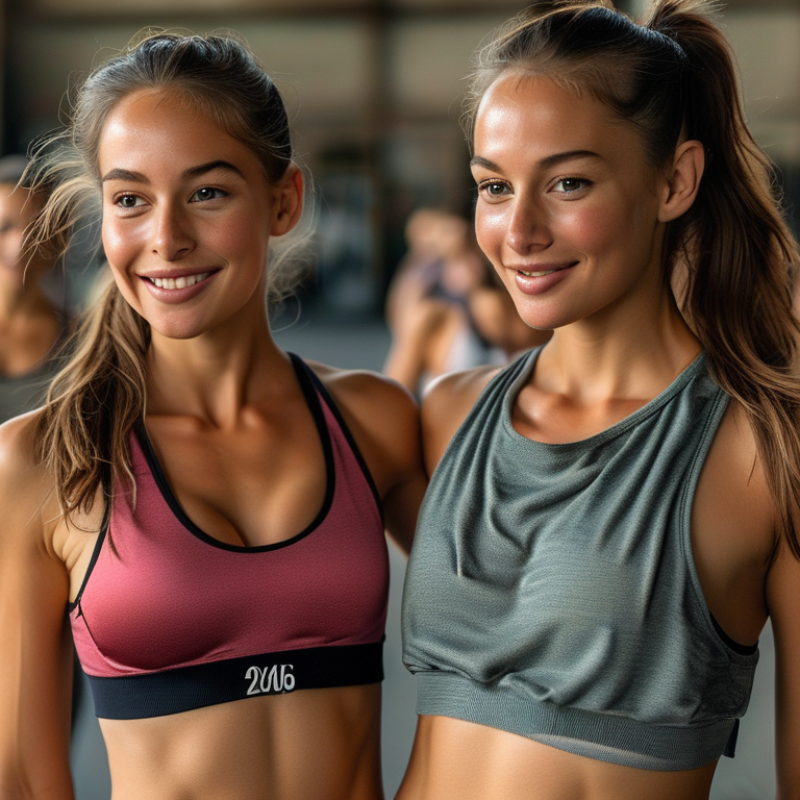
Social media platforms have revolutionized how fitness fashion evolves. Influencers play a critical role in shaping trends. They showcase their workout routines and stylish outfits in vibrant posts. Followers often seek their advice on what to wear for workouts. This creates a direct link between social media presence and fitness choices. When influencers wear specific styles, their audiences are quick to emulate. This cycle drives the popularity of certain apparel.
Authenticity matters in this space. Influencers often share their fitness journeys, making their recommendations feel relatable. Some brands fail to connect with audiences because their marketing can seem disingenuous. The audience craves authenticity; they want to see real transformations and stories. This desire influences which styles gain traction. When consumers see someone they trust in a piece of workout gear, it builds credibility.
Yet, the overwhelming number of trends can lead to confusion. Buyers are left pondering whether a style fits their personal needs. Not every trend suits every body type or workout. It is essential to find what works best individually rather than following the crowd. A mindless approach to fashion can hinder personal fitness journeys. Reflecting on personal preferences empowers buyers in a landscape overwhelmed with choices.