
What Are the Most Popular Types of Leather Shirt Dresses?

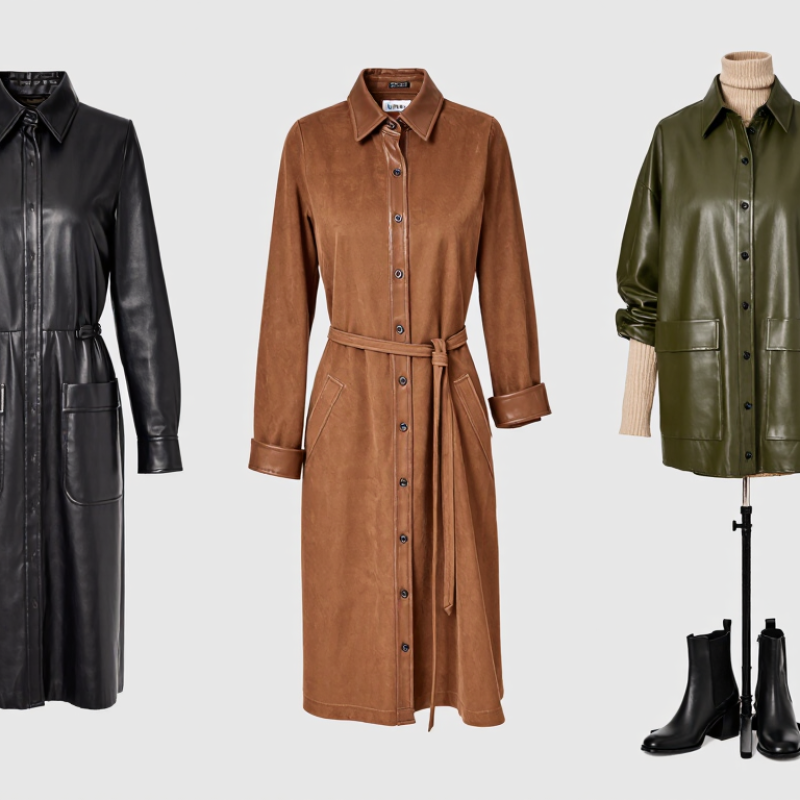
A leather shirt dress brings together the crisp shape of a button-up shirt and the distinctive texture of leather. Its collar, front buttons, and cuffs create a familiar outline, while the material gives the look more structure. Popular styles include the classic straight-cut dress, the belted shirtwaist, and relaxed oversized designs. A slim belt can define the waist; a loose fit offers easier layering over a fine-knit top. Small details matter.

Length and finish also shape the style. Mini versions feel casual with flat boots, while knee-length and midi designs can look more polished with simple loafers or ankle boots. Smooth leather has a clean, structured appearance. Suede offers a softer, napped surface, though it may need gentler care. Some dresses use faux leather, which can vary in texture and breathability, so checking the fabric details is useful. Not every finish suits every climate.

This guide explores the most popular types of leather shirt dresses and the practical differences between them. It considers silhouettes, lengths, colors, and styling details, including how buttons, pockets, and belts affect the overall look. Popularity varies by season and personal taste, so there is no single best version. Fit can be imperfect, too; a dress that looks striking on a hanger may feel stiff at the shoulders. Knowing what to look for makes choosing one less of a guess.
What Are the Most Popular Types of Leather Shirt Dresses?

Leather Shirt Dress Types: An Overview Using ISO 15115:2019 Terminology

ISO 15115:2019 is a leather vocabulary standard, not a ranking of dress styles. A leather shirt dress is classified by its cut: common types include button-front, belted-waist, relaxed, and sleeveless designs. That distinction matters. The silhouette describes the garment; ISO terminology describes the material. Use terms such as grain leather, split leather, nubuck, or coated leather only when product specifications support them.

A crisp collar and narrow placket give a button-front dress a tailored look, while a belt can define the waist without changing the leather category. Relaxed cuts often show softer folds at the elbows and hem. ISO terms help clarify material descriptions, but real garments can be less tidy: panels and finishes may vary within one piece. Check the material details.

For market context, Grand View Research estimated the global leather goods market at USD 468.49 billion in 2024. That broad category includes many products, so it does not establish which shirt dress styles are most popular. Use such figures as context, not dress-specific evidence. A clear product description should name the cut separately from the leather type and finish.

Classic Button-Front Dresses: Shirt Details and Traditional Cuts

A classic button-front leather shirt dress borrows its shape from a familiar wardrobe staple: the tailored shirt. A pointed collar, a straight row of buttons, and a defined cuff make the style easy to recognize. Traditional cuts often fall around the knee, with a gently shaped waist or a removable belt. The effect feels polished, but not overly formal. Small details matter. A softly curved hem moves more easily than a stiff, straight edge, while roomy sleeves help prevent the dress from feeling restrictive.

Leather changes how these familiar details behave. It holds a crease differently from cotton and can feel heavier across the shoulders, so a comfortable fit needs room through the upper back. Fortune Business Insights valued the global leather apparel market at USD 41.55 billion in 2023. That figure covers many garment types; it does not prove that shirt dresses alone are trending. Still, it shows the wider category has substantial commercial reach. For a classic cut, look for evenly spaced buttons, secure stitching around the placket, and supple material that bends at the elbows. Fit can be tricky. A dress that looks sleek on a hanger may pull when you sit, and that is worth checking before choosing a size.

Classic Button-Front Leather Shirt Dresses: Signature Details

Classic shirt-dress styling centers on a collared neckline and a button-front placket. Sleeves, waist ties, and pockets are optional design variations. Scores classify each detail’s role in the style; they are not sales or popularity statistics.

Belted and Oversized Styles: Comparing Defined and Relaxed Fits

Belted leather shirt dresses create a clearer outline, especially when the belt sits near the natural waist. The waist looks defined. A matching belt keeps the front clean, while a narrow contrasting belt adds a small visual break. Check where the dress closes: buttons that pull across the chest can spoil an otherwise polished fit. A belt should feel secure, not tight, since leather has limited stretch. For everyday wear, try sitting and reaching forward before choosing a size.

Oversized styles offer more room through the body and work well over a fine knit or thin long-sleeved top. Their shape depends heavily on the shoulders. A dropped seam can look intentional, but sleeves that cover the hands may feel cumbersome. Leather also has weight, so extra fabric does not always mean extra comfort. I sometimes judge an oversized cut too quickly; the shoulder line can change its whole impression. Look at the hem, too. A dress ending just above the knee may feel balanced, while a longer, loose cut can appear bulky with heavy boots. Soft, supple leather tends to fold more easily; stiffer material holds a boxier shape. The relaxed fit is appealing, but it can hide the waist more than expected.

Mini, Midi, and Maxi Shirt Dresses: How Hem Length Shapes the Look

A mini leather shirt dress brings the hem high above the knee, making the outfit feel lively and direct. Its shorter cut shows more leg and pairs easily with flat boots or opaque tights. Check how the skirt moves when you sit; stiff leather can ride up more than expected. A narrow belt may define the waist, but it can also make the shirt-style shape feel too controlled. Sometimes, leaving it loose works better.

A midi hem usually falls between the knee and ankle. It gives the dress a steadier silhouette, while the front buttons and collar keep it from looking overly formal. Try it with ankle boots, and look at where the hem meets the boot shaft. A small gap can make the proportions feel cleaner. The length is versatile, though a heavy leather fabric may feel restrictive on stairs or during long walks.

A maxi leather shirt dress reaches toward the ankles, creating a long, dramatic line. Slits or an open buttoned hem help with movement and show a glimpse of the shoes. This length can feel striking, but it is not automatically the most flattering choice. Fabric weight, shoulder fit, and hem clearance matter. I’ve found that even a beautiful long silhouette can feel awkward if it catches underfoot. Check the hem while walking, not just while standing in front of a mirror.

Leather and Leather-Look Options: Finish Quality Under ISO 11640:2018

For a leather shirt dress, finish quality affects how the surface looks after repeated wear. Genuine leather and leather-look coated fabrics can both show color transfer or rubbing marks. The risks differ. Smooth black leather may reveal pale scuffs, while a soft PU-coated surface can develop shiny patches at the elbows. These details matter around cuffs, plackets, and pocket edges, where movement creates friction.

ISO 11640:2018 provides a rubbing test for leather, using dry or damp felt to assess color transfer and change. It does not certify a whole dress or predict every form of wear. Textile Exchange’s Materials Market Report 2024 estimates global fiber production reached 124 million tonnes in 2023, a useful reminder that textile-based alternatives are a substantial material category. However, that figure does not measure coated-fabric quality. For leather-look garments, ask whether the test method was adapted for the coating and whether results cover both dry and wet rubbing. A lab swatch can pass while a finished seam still disappoints. Inspect the collar and cuffs, too. They often tell the more honest story.

What Are the Most Popular Types of Leather Shirt Dresses? - Leather and Leather-Look Options: Finish Quality Under ISO 11640:2018

Common Shirt-Dress Type Material and Finish Options Typical Look and Construction Practical Considerations ISO 11640:2018 Relevance
Classic button-front Genuine leather with a smooth or lightly grained finish; leather-look versions commonly use a coated textile surface. Collar, front button closure and shirt-style sleeves create a straightforward, structured silhouette. Leather usually has less stretch than many garments made from woven fabric. Check the care label and allow room for movement when assessing fit. For leather, the standard evaluates colour fastness to repeated dry and wet rubbing. It does not establish a garment’s overall durability.
Belted shirt dress Available in genuine leather and leather-look materials, including polyurethane-coated textiles. A waist belt or tie defines the waist while retaining shirt-dress details such as a collar and front opening. A belt can make the waist adjustable, but the garment’s fit through the shoulders and hips still matters. Avoid assuming that all coated materials clean the same way. ISO 11640 can be relevant to colour transfer and colour change from rubbing on leather specimens; it does not test belt strength or fit.
Overshirt or relaxed-fit dress Often seen in softer, lighter-weight leather or leather-look material, sometimes with a matte or lightly textured surface. A looser cut, button front and shirt collar give the style an easy, layered appearance. Relaxed proportions can accommodate layering. Actual weight, drape and flexibility vary by material thickness and construction. The rubbing test may assess the leather’s colour fastness, but it does not measure garment drape, flexibility or abrasion life.
Utility or pocket-front shirt dress Found in smooth, grained or matte leather finishes and in leather-look alternatives. Patch pockets, visible buttons or other workwear-inspired details give the dress a more casual appearance. Pocket placement and added details affect appearance and can add bulk. Follow the product’s specific cleaning instructions. The standard concerns colour fastness to cycles of to-and-fro rubbing; it does not assess pocket seams, buttons or other construction details.
Sleeveless shirt dress May be made in genuine leather or leather-look material, with smooth, embossed or grained surface effects. Retains shirt-dress features such as a collar and front opening while leaving the arms uncovered. Armhole fit is important for comfort. Material thickness and edge finishing can affect how the garment sits. ISO 11640 may be used to assess rubbing-related colour fastness of leather; it does not assess comfort or armhole fit.
Flared or panelled shirt dress Can use leather panels or leather-look material; finish and texture may vary across different material constructions. Panels or a fuller skirt add shape to a silhouette that typically keeps a shirt collar and front closure. Panel layout and material stiffness influence how the skirt falls. Check care guidance, especially when different materials are combined. The standard’s rubbing assessment is not a test of panel integrity, seam strength or garment shape retention.

Reading the standard: ISO 11640:2018 specifies a method for assessing the colour fastness of leather to cycles of to-and-fro rubbing, under defined dry and wet test conditions. It does not provide a universal pass/fail rating for every garment or measure water resistance, abrasion life or overall quality. The standard is for leather; its applicability to leather-look coated textiles should not be assumed. The styles above are common design categories, not a ranked sales list, and no test results are claimed.

Go to Top