

How to Spot a Fake Michael Kors Bag Before Buying?

A Michael Kors bag can look convincing in a bright product photo. Yet small details may tell a different story. In Global Trade in Fakes: A Worrying Threat (2021), the OECD and EUIPO estimated that counterfeit goods represented 2.5% of world trade in 2019. The report valued that trade at up to US$464 billion. These figures cover many product categories, not Michael Kors bags specifically. Keep that distinction in mind.

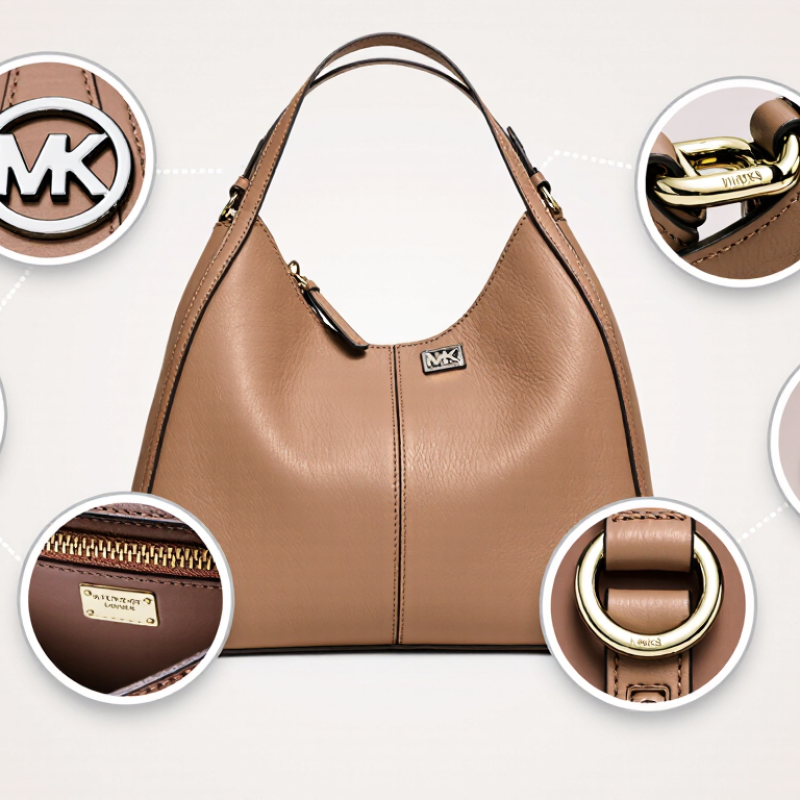
This guide shows how to assess a possible Fake Michael Kors Bag before buying. It focuses on practical checks: logo spacing, stitching, hardware, lining, labels, and the consistency of details across the exact model. A neat logo alone proves little. Compare the bag with clear images from Michael Kors or an established retailer, and review the seller’s product description, return terms, and provenance. Save listing photos and messages so you can revisit details without relying on memory. No single clue settles it. Materials can change between styles and seasons, while wear or poor lighting can make genuine items look imperfect. That part is easy to overlook. Treat several inconsistencies as a reason to pause, not as automatic proof. When photos are unclear, ask for close-ups of seams, zippers, and interior tags. For a costly purchase, consider an independent authentication service and check its methods and limitations. A careful review cannot guarantee certainty, but it can help you make a more informed choice.
How to Spot a Fake Michael Kors Bag Before Buying?

Assess the Seller, Listing, and Return Policy

Start with the seller, not the price. Check how long the account has been active, whether reviews describe specific purchases, and how the seller responds to questions. A history of detailed feedback is more useful than a row of brief five-star ratings. Ask for clear, recent photos of the bag, including its interior, stitching, hardware, labels, and base. A trustworthy seller should answer plainly and provide consistent details. Vague replies are a reason to pause.

Read the listing closely. Compare its stated materials, dimensions, color, and included accessories with reliable product information. Look for sharp photos in natural light; blurry close-ups can hide uneven seams or worn edges. No single detail proves a bag is genuine. That matters. Check whether the photos appear to show the actual item, rather than polished stock images. Then read the return policy before paying. Note the return window, who covers shipping, and whether refunds are allowed if an item differs from its description. Save the listing and seller messages. I sometimes overlook small policy wording when a deal feels exciting, so a second read is worthwhile. If important details remain unclear, wait or choose another listing.

Inspect the Logo, Lettering, and Hardware

Examine the logo in good daylight, not only under a shop’s warm ceiling lights. Its edges should look clean, with consistent spacing and balanced proportions. Run your eyes across the lettering. Are the characters evenly shaped, or does one appear unusually narrow or crowded? Small clues matter. Compare the logo with clear images from a dependable retailer or product archive, matching the same bag style and year when possible.

Check how the letters are applied. Printed marks should not look blurry or bleed into nearby material. Stitched lettering should have tidy thread paths and steady spacing, though tiny variations can occur with handmade details. Look closely. A single uneven stitch is not proof of a fake; several mismatched features deserve more attention. I have found that rushed inspection makes small differences easy to miss.

Test the hardware gently. Zippers, clasps, and rings should feel secure, with smooth movement and a finish that appears consistent across the bag. Look for rough edges, loose attachments, or lettering on metal parts that is shallow, crooked, or poorly defined. Compare pieces on the same item, since color can shift slightly with age and lighting. No one detail confirms authenticity, so consider the logo, lettering, and hardware together, alongside clear seller photos and purchase records.

How to Spot a Fake Designer Bag Before Buying? — Inspect the Logo, Lettering, and Hardware
Inspection Area What to Check Potential Warning Signs How to Verify
Logo and lettering Check the logo’s spelling, letter shapes, spacing, alignment, and placement. Compare the design with clear images of the exact model and season. Misspellings, uneven spacing, inconsistent lettering, or a logo that differs noticeably from reliable reference images. Use product images from the maker’s official website or an authorized retailer. Logo details can vary between models, so compare like with like.
Metal hardware Inspect zippers, clasps, rings, buckles, and feet for consistent finish, weight, and construction. Operate moving parts gently. Loose or poorly aligned parts, rough edges, uneven plating, or hardware that sticks or feels unusually flimsy. Compare the hardware shape, finish, and placement with reference photos of the same model. Normal wear on a used item is not proof of a fake.
Stitching and seams Look for secure seams and stitching that is reasonably even and consistent across similar areas. Loose threads, skipped stitches, visibly crooked seams, or adhesive where a clean seam would normally be expected. Check several areas, including handles, corners, pockets, and strap attachments. A single minor imperfection is not conclusive.
Materials and finish Assess the texture, flexibility, lining, edge finishing, and overall construction against reliable model-specific references. Strong chemical odors, peeling finishes, rough unfinished edges, or materials that differ substantially from documented product details. Remember that materials and finishes can vary by product line, production year, and condition. Avoid judging authenticity from touch or smell alone.
Interior label and details Review interior labels, printed text, tags, and any identifying codes for clear printing and consistent formatting. Blurred or poorly aligned text, spelling errors, or details that conflict with information for the specific model. Ask the maker or an authorized service channel whether the item’s details can be checked. A code or label by itself does not establish authenticity.
Seller and documentation Check the seller’s history, return policy, item description, and available proof of purchase. No meaningful return option, evasive answers, inconsistent descriptions, or pressure to pay through an unprotected method. Prefer authorized retailers or reputable resale platforms with clear buyer protection. Receipts and packaging can be copied, so treat them as supporting evidence only.
Price and listing photos Compare the asking price with current prices for similar items in similar condition. Review sharp, original photos from multiple angles. A price far below comparable listings without a credible explanation, stock photos only, or photos that hide logos and hardware. Request close-ups of the logo, hardware, interior label, seams, and any wear. Consider a professional authentication service for a high-value purchase.

Important: No single feature can reliably confirm authenticity. Consider the item’s model, age, condition, seller, and documentation together, and seek qualified help when in doubt.

Examine the Materials, Stitching, and Overall Construction

Before buying, examine the bag in bright, even light. Feel the surface gently: coated fabric should feel consistent, while leather should have a natural texture rather than a plastic-like sheen. Check the lining, too. It should sit smoothly without loose folds, peeling edges, or a strong chemical smell. Materials can vary by style and age, so one texture alone cannot prove authenticity. That part is easy to misread.

Look closely at seams around handles, corners, pockets, and zipper ends. Reliable construction usually shows even stitches, matching thread, and secure joins. Watch for skipped stitches, loose loops, uneven spacing, or thread ends that unravel with a light touch. A crooked seam is a warning sign, though ordinary wear can also distort an older bag. Don’t judge from one flaw.

Lift the bag and inspect how it holds its shape. The base should feel supported, and the handles should attach without gaps or lumpy glue. Open and close the zipper several times; it should move steadily without snagging the lining. Compare these details with clear photos of the same model, not a different style. If something feels off, pause. A second opinion from a qualified authenticator may help, but even careful inspection cannot offer certainty.

Review Interior Labels and Included Documentation

Open the bag in good light and examine its interior label without pulling or stretching it. Check whether the lettering is clear, evenly spaced, and aligned. Look closely at stitching around the label: uneven gaps, loose threads, or glue marks deserve attention. Small details matter. Compare the label’s wording and placement with reliable references for the same bag style and production period, since designs can change over time. A label that looks convincing on its own does not confirm authenticity.

Review any care card, booklet, receipt, or other paperwork included with the bag. Names, dates, product descriptions, and formatting should make sense together and match the item’s model and apparent age. Watch for blurry printing, spelling errors, inconsistent fonts, or details that seem newly added to older paperwork. Still, documentation can be copied, misplaced, or absent, so treat it as supporting evidence rather than a guarantee. It is easy to overread one clue. If labels and papers conflict with the bag’s construction, pause and seek an independent assessment before buying.

How to Spot a Fake Bag Before Buying: Review Interior Labels and Documentation

How to use this chart: The scores are an illustrative 1–5 checklist priority, not research statistics or proof of authenticity. Compare interior label details and product information with reliable references, and treat documentation as supporting evidence rather than a guarantee. When in doubt, seek an independent assessment.

Compare the Price and Weigh Any Warning Signs

A price that seems unusually low deserves a closer look, but it does not prove a bag is fake. Compare the exact style, size, material, and condition with current retail listings and established resale shops. Account for sale periods, wear, missing accessories, and shipping costs. A pre-owned bag may reasonably cost less. Still, a steep discount with no clear explanation is worth questioning.

Check whether the seller’s description matches the photos. Look for sharp, well-lit images of the front, lining, seams, hardware, and interior labels. Blurry pictures or repeated stock images make details hard to judge. Notice mismatched colors, uneven stitching, or hardware that looks different across photos. None of these clues is conclusive on its own. I can see how an attractive price might distract me, too.

Tips: Ask for recent, close-up photos and a dated note beside the bag. Compare the seller’s price with several listings for the same model and condition. Read the return terms before paying, and check whether the seller has a consistent history of detailed listings. A rushed sale can feel convincing. Take a pause if answers are vague or the price keeps changing.

Go to Top