2026 Top Womens Gym Wear Trends for Global Buyers?
As the global fitness market continues to expand, the demand for women's gym wear is evolving dramatically. According to a recent report by Grand View Research, the activewear market is projected to reach $547 billion by 2024, with women's fitness apparel leading the charge. This surge reflects a significant shift in consumer preferences, where stylish, functional, and comfortable gym wear has become essential for women.
In 2026, buyers can expect to see innovative designs that prioritize both performance and aesthetics. Fabrics will advance to include moisture-wicking, sustainable materials that cater to eco-conscious consumers. Brands are learning from past trends and now emphasize inclusivity, offering a broader range of sizes and styles. However, the challenge remains in balancing style with functionality. There are still gaps in meeting diverse body types and preferences.
With the increased scrutiny on brands for environmental impacts, companies must focus on transparency in their sourcing and production processes. Ensuring quality and ethical practices is crucial for building trust. As the market grows, embracing these trends is vital for businesses aiming to capture the hearts of modern women seeking the perfect gym wear.
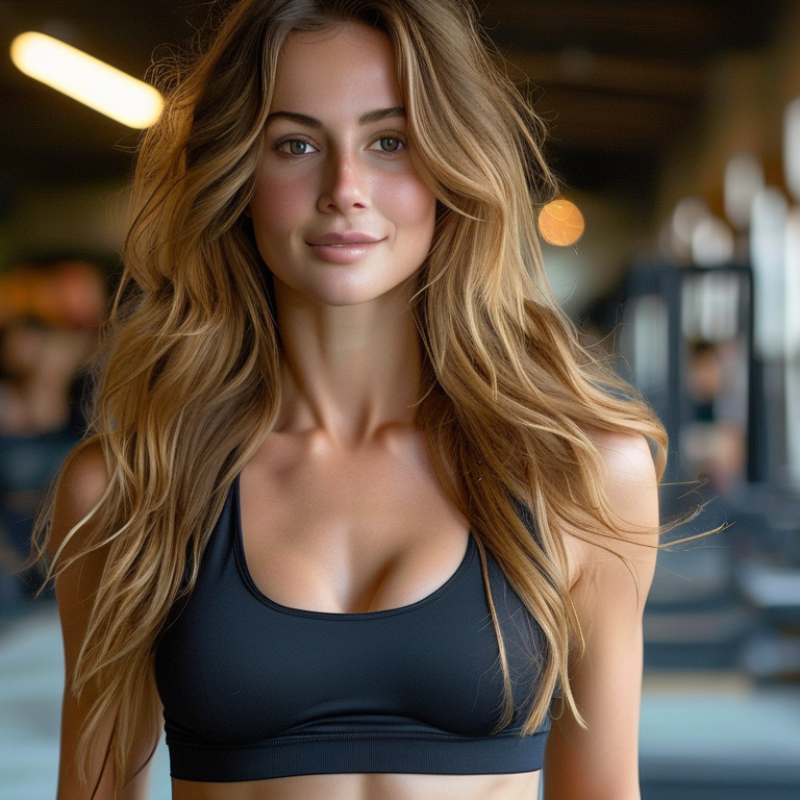
Emerging Fabric Technologies in Women's Gym Wear for 2026
In 2026, the landscape of women's gym wear will be defined by emerging fabric technologies. The integration of smart textiles introduces innovative features for enhanced performance. According to a recent market report, the smart fabric market is projected to grow by over 25% annually. These fabrics adapt to body temperature and moisture levels, offering improved comfort during workouts.
Recycled fabrics are also on the rise, catering to the growing demand for sustainable options. Research indicates that 60% of consumers prefer eco-friendly products. Manufacturers are exploring ways to repurpose materials, minimizing waste in the production process.
Clothing made from recycled plastics not only reduces environmental impact but also provides high durability and flexibility for various sports activities.
Consumer education about fabric properties is crucial. Many buyers are still unaware of the benefits of technical textiles. This gap highlights the need for brands to communicate effectively about these advancements. As the market evolves, companies must address misconceptions and emphasize quality. Fostering a deeper understanding can enhance buyer confidence and brand loyalty in this competitive space.
Sustainable and Eco-Friendly Materials: Trends for Activewear
As the demand for sustainable fashion grows, the activewear industry is shifting towards eco-friendly materials. Many consumers prioritize workout apparel that reduces environmental impact. This trend reflects a broader awareness of climate change and the need for responsible consumer choices.
Recycled polyester and organic cotton are gaining traction among brands aiming to minimize their footprint. These materials use less water and energy compared to traditional fabrics. Yet, achieving high performance remains a challenge. Some products may lack the durability or stretch desired by athletes.
Another interesting aspect is the rise of innovative fabrics made from natural resources. For example, bamboo-derived textiles offer breathability and comfort. Still, the production process must be sustainable, ensuring that land use is managed responsibly. Buyers now seek transparency in sourcing, pushing manufacturers to improve practices.
As the market evolves, both opportunities and challenges lie ahead for sustainable activewear.
Popular Color Palettes and Patterns in Women's Gym Clothing
As we approach 2026, the trends in women's gym wear are shifting towards vibrant color palettes and dynamic patterns. According to a recent industry report, colors like electric blue and neon green are anticipated to dominate the market, appealing to buyers seeking energetic vibes. Consumers are increasingly looking for clothing that reflects their personality and motivation, and these spirited colors resonate well with active lifestyles.
Patterns are becoming just as crucial as color. Bold geometric prints and abstract designs are setting the tone for the upcoming season. Research shows that 70% of women prefer stylish yet functional gym wear that allows for self-expression. Clothing that integrates these patterns is not only visually appealing but also promotes a sense of community among fitness enthusiasts. Moreover, it raises questions about the inclusivity of design in gym wear. Are these patterns appealing to all body types? This aspect is worth reflecting upon as brands strive for broader appeal.
Sustainability also plays a role in color and pattern choices. Many consumers are leaning towards eco-friendly options, which often feature organic dyes. However, the availability of these sustainable products can sometimes lag behind demand. The industry must address this shortfall to ensure that both style and environmental responsibility go hand in hand. It's an evolving space, and the upcoming trends represent a unique intersection of fashion, functionality, and sustainability.
Innovative Design Features: Enhancing Performance and Comfort
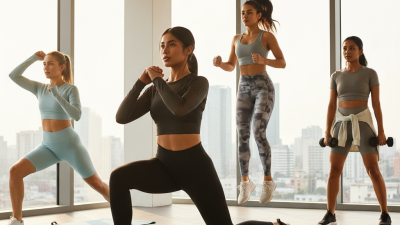
The evolution of women's gym wear is rooted in innovative design features that prioritize performance and comfort. Lightweight fabrics are increasingly popular. They allow for better breathability during intense workouts. Advanced moisture-wicking technology keeps athletes dry. Yet, some designs still fall short in durability. It’s essential to balance style with substance.
Another trend gaining traction is ergonomic tailoring. Seamless construction reduces chafing and enhances freedom of movement. This is crucial for yoga enthusiasts and runners alike. However, not all brands manage to incorporate these features seamlessly. Many still struggle with sizing consistency, making the perfect fit elusive for many women.
Sustainability is also shaping gym wear. Eco-friendly materials are gaining attention. They not only benefit the environment but also enhance comfort. However, there is a learning curve. Developing sustainable products often compromises performance. It is a delicate balance. The future of women’s gym wear lies in finding harmony between these aspects.
Global Market Insights: Key Regions Influencing Women's Gym Wear Trends
Women's gym wear continues to evolve, influenced significantly by different global regions. North America emphasizes functionality, with breathable fabrics and ergonomic designs. In contrast, Europe leans towards style, pairing performance with chic aesthetics. Meanwhile, Asia shows a growing preference for vibrant colors and unique patterns. These regional trends provide insightful direction for global buyers looking to cater to diverse consumer tastes.
Understanding local preferences is crucial. For instance, North American consumers appreciate versatility. They want outfits suitable for both workouts and casual outings. In Europe, sustainability matters deeply. Buyers should focus on eco-friendly materials. Asian markets highlight the importance of individuality. Providing unique designs can capture consumer interest.
When sourcing women's gym wear, pay attention to cultural nuances. Be ready to adapt styles accordingly. Engage with local influencers to gauge preferences better. Keeping an eye on fashion weeks around the world can also provide direction. Remember, the demand for innovative designs is ever-growing. Recognizing these shifts will strengthen your market position.