
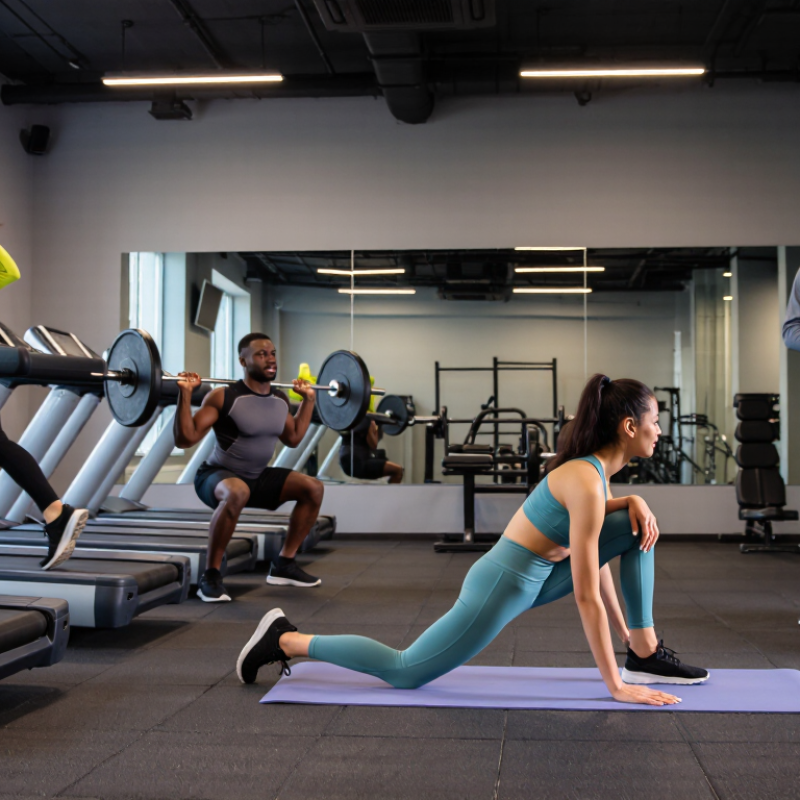
What Are the Top Types of Fitness Wear?

Choosing fitness wear is no longer just about matching colors or following trends. It affects comfort, movement, temperature control, and confidence during exercise. A runner needs different support from someone lifting weights, practicing yoga, or cycling outdoors. The right clothing should work with the body, not distract from it.

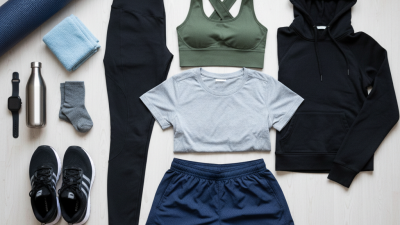
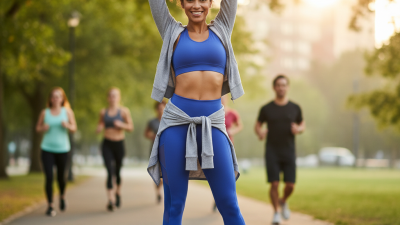
Bill Bowerman, Nike co-founder and influential footwear designer, once said, “If you have a body, you are an athlete.” His words still shape how people view performance clothing. Fitness wear is not reserved for professional competitors. It includes everyday leggings, moisture-wicking shirts, compression garments, sports bras, training shorts, and weather-resistant layers. Each type serves a practical purpose. Some reduce friction. Others help manage sweat or provide stability during repeated movement.

This guide examines the top types of fitness wear and explains where each one performs best. It considers fabric, fit, breathability, durability, and activity level. Small details matter. Flat seams can prevent irritation on a long run. A secure waistband can improve comfort during squats. Reflective panels may increase visibility after sunset.

No single fabric wins every workout. That is easy to forget. Compression wear may feel supportive, yet it can feel restrictive for some users. Loose clothing improves airflow, but it may catch on equipment. Personal preference also matters, and product claims should not replace careful testing. The most reliable choice balances evidence, activity demands, body comfort, and honest self-observation.

What Are the Top Types of Fitness Wear?

What Fitness Wear Is and How It Supports Physical Activity

Fitness wear is clothing designed to make movement safer, cooler, and more comfortable. It includes moisture-managing shirts, supportive sports bras, flexible shorts, training tights, lightweight jackets, and activity-specific shoes. Each type solves a different problem. A breathable top can reduce damp fabric during a warm indoor session. Compression tights may offer a secure feel, although they do not replace proper training or medical advice. Cushioned shoes can support repeated impact, but comfort and fit matter more than appearance.

Good fitness wear should move with the body. Flat seams may reduce rubbing around the waist or underarms. Stretch fabrics help during squats, lunges, and reaching exercises. Reflective details improve visibility during low-light walks.

For outdoor activity, layers are practical: a light base layer, a warm middle layer, and a weather-resistant outer layer. Still, clothing cannot correct poor technique. I sometimes choose extra pockets and later notice unnecessary bouncing. That small mistake changes how freely I move.

Tips: Match clothing to the activity, temperature, and session length. Check that waistbands stay secure without digging into skin. Try several movements before buying. Raise your arms, bend your knees, and walk around. Wash sweaty garments soon after use, following care instructions. Replace items when fabric becomes thin, elastic loosens, or shoes lose stable support. Fit differs between bodies, so a measurement chart is only a starting point.

The Main Categories of Fitness Wear

Fitness wear usually falls into several practical categories: tops, bottoms, base layers, outer layers, and supportive accessories. Tops include breathable T-shirts, tank tops, and long-sleeved training shirts. Their main job is managing moisture while allowing comfortable arm movement. Bottoms range from shorts and leggings to flexible training trousers. Choose them according to the activity, temperature, and amount of movement required.

Base layers sit close to the skin and help regulate temperature during outdoor training. Outer layers provide protection from wind, light rain, or cold air. A lightweight jacket can be useful during a morning run, while a warmer layer suits slower winter activities. Supportive accessories include sports socks, training gloves, caps, and visible reflective details. Fit matters more than appearance. Tight clothing can restrict breathing, but loose fabric may catch on equipment.

Tips: Test fitness wear with a few basic movements before buying it. Squat, stretch, raise your arms, and walk quickly. Check whether seams rub near the shoulders, waist, or inner thighs. I once chose soft leggings that looked ideal, but they became uncomfortable after repeated bending. That experience reminded me that fabric feel alone is not enough. Look for secure waistbands, durable stitching, and care instructions that match your washing routine. Compression garments may feel supportive, but their benefits differ by person and activity. When uncertain, choose comfort and freedom of movement over technical claims.

How to Choose Fitness Wear for Different Workouts

What Are the Top Types of Fitness Wear?

How to Choose Fitness Wear for Different Workouts

The right fitness wear should match your workout, climate, and movement pattern. For running, choose lightweight fabric that dries quickly and allows steady airflow. Reflective details help during early morning or evening sessions. A secure waistband prevents constant adjustments. Avoid overly loose clothing near moving equipment.

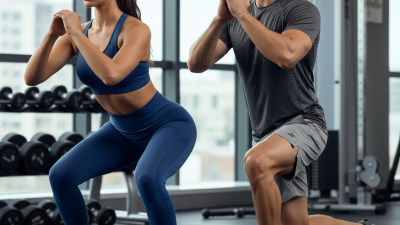
Strength training requires flexible fabric around the hips, knees, and shoulders. Look for durable seams and a close, comfortable fit. The material should stretch during squats without becoming transparent. Flat seams can reduce rubbing during repeated movements. I once wore stiff shorts for heavy leg training. The waistband pressed painfully against my stomach.

Small choices matter.

For yoga or Pilates, soft, flexible clothing usually works best. It should stay in place during inversions and deep stretches. For cycling, padded shorts can reduce pressure during longer rides. A fitted top may also limit wind resistance. High-intensity workouts need breathable layers and reliable support, especially during jumping exercises. Cotton feels comfortable at first, but it often stays wet after sweating. That can make the body feel cold afterward.

Check the garment before buying it. Bend, reach, and sit in it. Test the pockets, seams, and waistband. Personal comfort still matters more than a fashionable cut. I sometimes choose lighter clothing than the weather allows, and that is a mistake. A practical layer system is often safer and more comfortable.

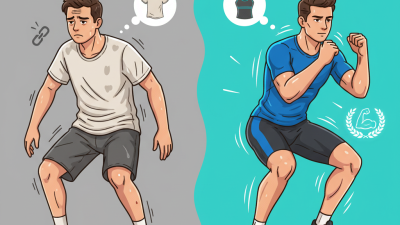
Key Materials and Features in Fitness Clothing

What Are the Top Types of Fitness Wear?

Key Materials and Features in Fitness Clothing

Fitness clothing works best when its material matches the activity. Polyester and nylon are common choices for running, cycling, and gym training. They dry quickly and move sweat away from the skin. Nylon often feels smoother, while polyester can hold its shape after repeated washing. Neither fabric feels perfect in every condition.

For stretching, yoga, and mobility work, look for materials with elastane or another stretch fiber. These fabrics support deep bends without restricting movement. A four-way stretch design usually feels more flexible than a two-way version. Check the waistband carefully. It should stay secure without pressing painfully into the stomach. Flat seams can also reduce rubbing during long sessions.

Breathable panels help release heat around the back, chest, and underarms. Mesh is useful there, but excessive mesh may feel too exposed or fragile. For outdoor exercise, lightweight layers with ultraviolet protection can add practical coverage. A soft inner surface may improve comfort in cooler weather. I have found that pockets need testing, not just admiring. A loose pocket can bounce while running.

Fit remains as important as fabric. Tight clothing should support movement, not create numbness or sharp pressure. Loose garments should not catch on equipment. Care instructions matter too. Frequent hot washing can damage stretch fibers and reduce fabric performance. I sometimes choose comfort over maximum technical features, and that choice is not always optimal, but it keeps training consistent.

What Are the Top Types of Fitness Wear? — Key Materials and Features in Fitness Clothing
Fitness Wear Type Common Materials Key Features Moisture Management Stretch and Mobility Best Activities Important Considerations
Moisture-Wicking T-Shirts Polyester, nylon, polypropylene, or polyester-spandex blends Lightweight construction, quick drying, breathable panels, flat seams Excellent Moderate to high Running, cycling, gym training, circuit workouts Synthetic fibers generally dry faster than cotton, while mesh panels can improve airflow.
Compression Tops and Leggings Nylon-spandex or polyester-elastane blends Close fit, graduated support in some designs, muscle coverage, reduced fabric movement Very good High Strength training, running, team sports, recovery-focused wear The garment should feel supportive without restricting breathing, circulation, or normal movement.
Training Shorts Polyester, nylon, elastane, and lightweight woven fabrics Flexible panels, elastic waistbands, secure pockets, split or gusseted construction Very good Moderate to high Weight training, HIIT, running, indoor sports Built-in liners may provide coverage and reduce chafing during high-movement activities.
Yoga and Pilates Wear Nylon-spandex, polyester-spandex, or soft performance blends Four-way stretch, smooth seams, high-rise waistbands, opaque fabric, body-contouring fit Good to very good Very high Yoga, Pilates, barre, mobility training Fabric opacity and waistband stability are important for bending, stretching, and inverted positions.
Sports Bras Polyester, nylon, elastane, mesh, and moisture-wicking lining fabrics Encapsulation or compression support, adjustable straps, breathable zones, wide underbands Good to excellent High Low-, medium-, and high-impact exercise depending on the support level Support should match activity intensity; high-impact exercise typically requires more coverage and stability.
Performance Jackets and Windbreakers Woven polyester or nylon, often with a water-resistant finish Wind resistance, lightweight layering, adjustable hems, hoods, and reflective details Moderate to good Moderate Outdoor running, hiking, cycling, warm-ups Water-resistant fabric helps with light precipitation but is not necessarily waterproof during prolonged rain.
Base Layers Merino wool, polyester, polypropylene, nylon, or blended fabrics Temperature regulation, close fit, odor control in some fibers, low-bulk layering Good to excellent Moderate to high Hiking, skiing, outdoor training, cold-weather workouts Merino wool can provide warmth and odor resistance, while synthetics usually dry more quickly.
Athletic Socks Nylon, polyester, polypropylene, elastane, and merino wool blends Cushioned zones, arch support, reinforced heels and toes, seamless or low-friction construction Good to excellent Moderate Running, court sports, hiking, gym workouts A secure fit and moisture control can help reduce friction, hot spots, and blister risk.
Recovery and Lounge Activewear Cotton blends, modal, bamboo-derived rayon, polyester, and elastane Soft hand feel, relaxed fit, light stretch, breathable construction Moderate Moderate Stretching, light walking, post-workout recovery, everyday wear Natural-feeling fibers can improve comfort, but some absorb moisture and may dry more slowly than synthetics.

Care, Fit, and Proper Use of Fitness Wear

Fitness wear includes moisture-wicking shirts, compression layers, sports bras, leggings, shorts, socks, and lightweight jackets. The American College of Sports Medicine’s 2024 Worldwide Survey ranked wearable technology first among 45 fitness trends, showing how closely clothing now connects with training data and daily exercise.

Fit comes before fashion. A shirt should sit close to the body without trapping heat. Waistbands must stay flat during squats and running. Compression clothing should feel supportive, never numb or restrictive. Check the shoulder seams and inner thighs after ten minutes of movement. Red marks, slipping fabric, or repeated chafing signal a poor fit. I still find that people choose tight clothing for confidence, then mistake discomfort for support.

Care affects performance. Textile Exchange’s 2024 Materials Market Report found polyester represented about 57% of global fiber production in 2023. Many performance garments use synthetic fibers, which can hold body oils and odor. Wash them soon after training, using cool water and a mild detergent. Skip fabric softener; it may reduce moisture-transfer performance. Air-dry whenever possible, and inspect elastic edges before each hard session. A stretched waistband is not “broken in.” It is probably worn out. Use lighter layers for indoor training and add breathable outer layers in cold weather. Never rely on one garment for every activity, season, or intensity level.

Go to Top