Why Choose Swimming Costumes for Women?
Choosing a swimming costume is about more than color or the latest style. The right choice should feel comfortable in the water and stay secure as you move. A relaxed beach day, lap swimming, and water aerobics can call for different cuts, coverage, and support. Small details matter: straps that do not dig in, seams that sit smoothly, and fabric that feels comfortable when wet.
People searching for “swimming costume women” may find many styles, from one-piece suits to bikinis and swim dresses. Look for clear information about lining, adjustable straps, and fabric composition, then compare it with how and where you plan to swim. Chlorinated pools and frequent use can be hard on swimwear, so rinsing a suit after swimming and following its care label may help preserve its fit. There is no perfect suit. Personal preference matters, and sizing can vary between brands. That can feel frustrating. If possible, check the size chart and return policy before buying, rather than assuming your usual size will fit. This guide explores the practical reasons women choose particular swimming costumes, including comfort, movement, coverage, and durability, so you can make a more informed decision. A suit should serve your needs, not just look good on a hanger.
Understanding Women’s Swimming Costumes and Their Purpose
Why Choose Swimming Costumes for Women?
Understanding Women’s Swimming Costumes and Their Purpose
Women’s swimming costumes are made for moving comfortably in water while providing coverage that suits different activities and preferences. A lap swimmer may value a close fit that stays put during repeated strokes. Someone enjoying a beach day might prefer more coverage or adjustable straps. Fabric matters, too: chlorine-resistant materials can be useful for frequent pool visits, while quick-drying fabric may feel more comfortable between swims. No single style works for everyone. Fit matters.
A well-fitting costume should feel secure without pinching or restricting movement. Check the straps, leg openings, and seams as you reach overhead or bend your knees. The suit may feel different once wet, so a fitting-room check is helpful but not perfect. Personal comfort also depends on body shape, skin sensitivity, and how much support you prefer. It is easy to focus on appearance and overlook practical details, including lining, stitching, and whether the fabric becomes transparent when stretched.
Tips: Check the care label and rinse the suit with cool, fresh water after swimming. Let it dry away from direct heat. For pool use, try a few arm movements before buying; straps that slip on dry skin may shift in the water.
How Swimwear Supports Comfort and Freedom of Movement
A comfortable swimming costume should move with the body, not demand constant adjustment. At the pool, reaching forward, turning, and climbing a ladder can reveal whether straps stay put. Soft, stretchy fabric helps reduce pulling across the shoulders and hips. A secure fit matters, but tightness is not proof of support. If breathing feels restricted, the size or cut may be wrong.
Tips: Try a few simple movements before swimming: raise both arms, bend, and twist gently. Check for digging straps, shifting coverage, or fabric that becomes sheer when wet. Choose a cut that suits the activity; lap swimming and relaxed beach time may call for different coverage. Rinse after use and let the costume dry fully. Small habits help.
Practical details can make movement feel easier. Flat seams may feel smoother during repeated strokes, while a lined front can offer more confidence. Comfort is personal. A suit that works for one swimmer may rub another, especially during a long session. A mirror alone can be misleading; a few minutes of movement often tell more. Sometimes, the first choice is not the right one.
Features That Enhance Fit, Coverage, and Sun Protection
Why Choose Swimming Costumes for Women?
A well-designed women’s swimming costume should stay steady when you reach, dive, or climb a pool ladder. Wide straps, a secure underband, and a lined front can reduce shifting and show-through. Higher necklines and longer leg openings add coverage without forcing every swimmer into the same silhouette. Fit still depends on torso length and bust shape; a suit that looks supportive on a hanger may pull at the shoulders in water. That matters.
Sun protection depends on fabric and coverage, not color alone. The World Health Organization advises sun protection when the UV Index reaches 3 or higher. ARPANSA explains that UPF 50+ fabric transmits less than 2% of UV radiation under test conditions. Treat that rating as one layer, not a guarantee: uncovered shoulders, stretched panels, and long exposure still matter. Check the garment’s UPF label, choose sleeves or a higher back when useful, and apply water-resistant sunscreen to exposed skin as directed. Fabric can shift in motion. No suit covers everything.
Why Choose Swimming Costumes for Women? - Features That Enhance Fit, Coverage, and Sun Protection
| Swimwear style |
Typical coverage |
Fit features to look for |
Sun-protection considerations |
May suit |
| One-piece swimsuit |
Covers the torso; leg and shoulder coverage varies by cut. |
Adjustable straps, supportive lining, and a secure leg opening can help with comfort and movement. |
Covers more torso skin than a two-piece, but exposed areas still need sun protection. Check the garment label for a UPF rating. |
Swimmers who prefer a connected suit and moderate torso coverage. |
| Tankini |
A separate top and bottom; top length determines how much of the torso is covered. |
Adjustable straps and a top that stays in place can improve comfort. A longer top offers more coverage. |
Coverage depends on the top’s length and whether it shifts during activity. UPF protection is not guaranteed unless stated on the label. |
Those who want a two-piece design with more torso coverage than many bikini tops provide. |
| Long-sleeve swim shirt or rash guard with swim bottoms |
Covers the torso and arms; bottoms determine leg coverage. |
A close but comfortable fit helps limit shifting; flat seams and a longer hem can improve wear during swimming. |
Covers more skin than sleeveless styles. Choose a labeled UPF garment; coverage and protection can be affected by gaps, stretching, and wear. |
Outdoor swimmers seeking additional arm and torso coverage. |
| Swim dress |
Covers the torso and adds skirt coverage; built-in briefs or shorts vary by design. |
Check that the inner layer stays secure and that the skirt allows comfortable movement in water. |
The skirt provides fabric coverage where it sits, but does not replace sun protection for uncovered skin. UPF depends on the labeled fabric rating. |
Those who prefer a skirted silhouette or extra coverage around the hips and upper thighs. |
| High-neck swimsuit |
Covers more of the upper chest and neckline than a low-cut style; sleeve length varies. |
A secure neckline and comfortable arm openings help reduce rubbing and unwanted movement. |
Higher neck coverage shields more skin when covered by fabric; exposed shoulders and arms still require protection. Look for a stated UPF rating. |
Swimmers who want more chest coverage than many scoop- or V-neck styles offer. |
Note: UPF measures how much ultraviolet radiation a fabric allows through. UPF 50 blocks about 98% of UV radiation under test conditions. Coverage varies by garment, and sunscreen is still important on uncovered skin.
Choosing a Style for Different Swimming Activities
Choosing a swimming costume starts with the activity, not the latest style. For regular lap swimming, look for secure straps, a close fit, and fabric that stays comfortable through repeated movement. A high-cut leg can allow a broader kick, while a supportive back design helps keep straps in place. Fit comes first. If the suit shifts when you reach overhead, it may distract you during a long session.
For relaxed pool visits or beach days, comfort and coverage may matter more than speed. Wider straps can feel steadier, and adjustable features help accommodate small differences in fit. Consider how the fabric feels when wet, too; a suit that seems comfortable in a changing room may feel different after a swim. Small details matter. I used to focus too much on appearance, and overlooked whether I could move freely.
For water aerobics, paddleboarding, or playing in the surf, choose a style that stays secure during turns and sudden movement. A one-piece or a well-fitting two-piece with supportive construction can reduce the need for constant adjustment. Check seams and lining, especially if you swim often in chlorinated pools. No single style suits every activity, and personal preferences can change. Try a few movements before deciding: reach, bend, and rotate your shoulders. A little awkwardness in the fitting room is better than tugging at your suit in the water.
Why Choose a Swimsuit for Your Activity?
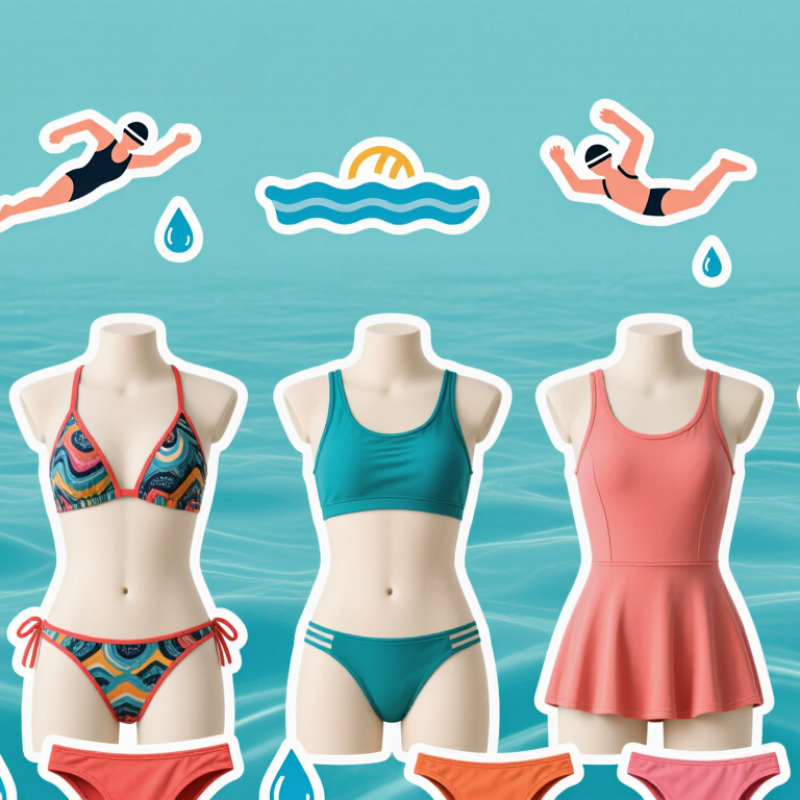
Different swimsuits balance support, coverage, and streamlined movement in different ways.
How to read this guide: Scores are practical recommendations on a 1–5 scale, not survey measurements. Choose a comfortable, secure fit suited to your activity.
Materials, Durability, and Care Considerations
Why Choose Swimming Costumes for Women?
Materials, Durability, and Care Considerations
A good swimming costume should feel secure without digging into the shoulders or waist. Fabric affects comfort, drying time, and how well a suit keeps its shape. Nylon blends with elastane often feel soft and stretch easily, while polyester blends may resist fading from pool chemicals and sunlight better. Construction matters, too: check the seams, lining, and strap attachments before buying. Small details count.
Tips: Rinse the costume in cool, fresh water after swimming. Gently press out excess water with a towel, then dry it flat in the shade. Avoid wringing or leaving it in a hot car. Easy to forget.
Chlorinated water, sunscreen, and repeated stretching can wear fabric down over time. Rotating between two suits may give each one more time to dry fully. Follow the care label, since fabric blends differ. A swimsuit can still fade or loosen despite careful handling; that is not always a sign of poor quality. I have found that fit can change slightly when a suit is wet, so checking movement and coverage before a long swim is sensible. Do a few easy stretches.