
Why is womens gym wear so popular worldwide? The answer reaches beyond fashion. It reflects changing routines, stronger health awareness, and the need for clothing that supports movement. From busy city studios to outdoor walking tracks, women often choose garments that can handle stretching, sweating, commuting, and repeated washing.
Womens gym wear has become a practical part of everyday life. Supportive sports bras, breathable tops, high-waisted leggings, and lightweight trainers can improve comfort during exercise. Fabric details matter. Moisture-wicking materials help reduce discomfort, while flat seams may limit irritation during long workouts. Fitness professionals often recommend checking fit, fabric strength, and support instead of following short-lived trends. Small choices matter.
Appearance matters too. Coordinated colors and flattering cuts can build confidence before a workout begins. Social media has expanded this effect, showing activewear in homes, cafés, and travel settings. However, popularity does not prove that every product works well. Some clothing pills quickly, feels restrictive, or offers poor support despite attractive advertising. That deserves attention.
Personal experience also shapes buying decisions. A runner may value reflective details, while a yoga participant may prefer soft, flexible fabric. Climate changes the choice as well. Humid regions call for quick-drying layers, while colder areas need insulation without heavy bulk. There is no perfect outfit for everyone.
The global appeal of womens gym wear is real, but it is not entirely simple. Comfort, identity, performance, accessibility, and marketing all influence demand. Understanding these factors helps consumers make more informed choices and encourages brands to design clothing that serves real bodies, not only idealized images.
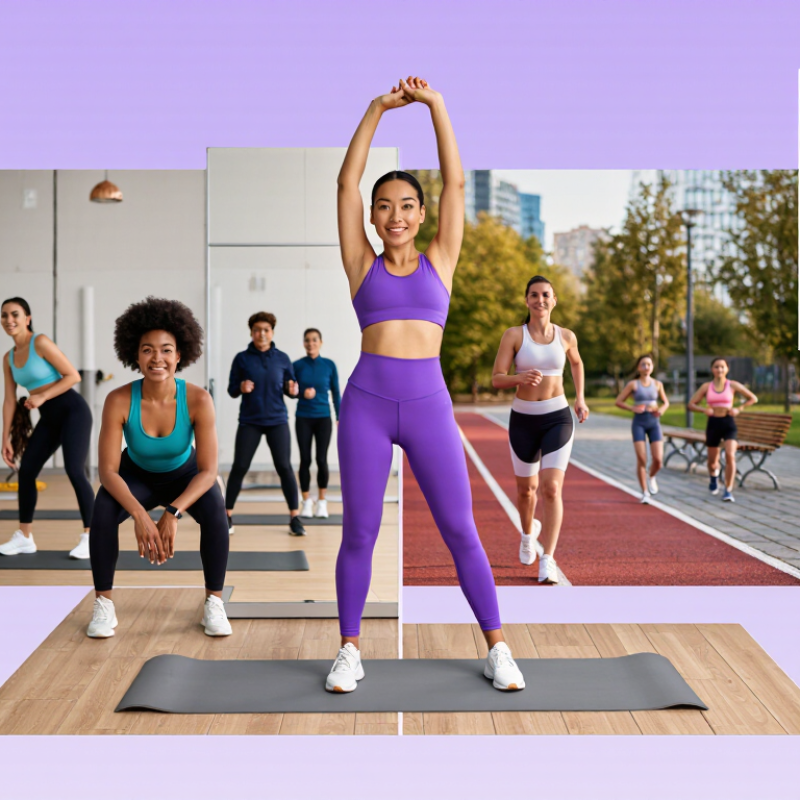
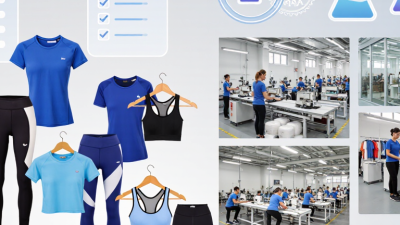
Women’s gym wear is clothing designed for movement, comfort, and physical training. It usually includes sports bras, training tops, leggings, shorts, joggers, and lightweight outer layers. Each category serves a different purpose. Sports bras provide varying levels of support, while tops manage sweat and reduce friction. Bottoms allow squatting, stretching, running, or cycling without restricting the hips and knees. Outer layers help regulate body temperature before and after exercise.
Fabric choice strongly affects performance. Polyester and nylon often dry quickly, while elastane adds stretch and recovery. Some garments include mesh panels for airflow around the back or underarms. A waistband should stay secure without pressing painfully into the stomach. Seams also matter. Rough stitching can irritate skin during repeated movement. Small details become obvious after an hour of training.
There is no perfect outfit for every woman or workout. A high-support bra may suit running but feel restrictive during gentle mobility work. Thick leggings can offer coverage, yet they may feel warm in crowded indoor gyms. Fit should be tested through movement, not only in front of a mirror. Try bending, reaching, and walking several steps. Care labels also deserve attention, because heat and harsh washing can damage stretch fibers. This classification is useful, but personal comfort still needs honest reconsideration.
Women’s gym wear has become popular because it responds to real movement problems. During squats, lunges, or overhead presses, four-way stretch reduces fabric resistance. A wide waistband can stay flat instead of folding into the stomach. Flat seams also help prevent rubbing during a thirty-minute treadmill session. Comfort is not decorative. It affects whether someone completes another set.
Performance depends on practical design, not bright colors alone. Moisture-wicking fabric helps move sweat away from the skin, while mesh panels can improve airflow around the back and underarms. Research from the McKinsey Sporting Goods 2024 report expects the global sporting-goods industry to grow by about 5% annually through 2026. That growth reflects wider participation, including casual exercisers. The World Health Organization’s Global Status Report on Physical Activity 2022 also warns that nearly 1.8 billion adults were insufficiently active in 2022. Better clothing cannot solve inactivity, but it may remove small barriers to movement.
Fit remains the difficult part. Tight clothing can feel supportive, yet excessive compression may restrict breathing or distract during training. A 2023 review in Sports Medicine found that compression garments can offer modest recovery benefits, but results vary by activity and person. The evidence is not perfect. A garment that performs well in a laboratory may feel uncomfortable in a humid studio. Users should test waistband stability, fabric transparency, shoulder movement, and heat buildup before trusting the outfit for serious exercise.
Women’s gym wear has become more than clothing for exercise. It now helps women communicate discipline, confidence, comfort, and personal taste. A pair of sculpting leggings can move from a morning studio session to a grocery store without changing the wearer’s identity. The Global Wellness Institute valued the global wellness economy at $6.3 trillion in 2023. That growth supports demand for clothing linked to healthier, more active lifestyles.
Fashion makes this shift even stronger. According to Allied Market Research, the global activewear market reached approximately $319.6 billion in 2023. It could reach $546 billion by 2032, with a projected compound annual growth rate of 6.2%. These figures show commercial momentum, but numbers cannot explain everything. Fabric softness, supportive waistbands, muted colors, and carefully placed seams often influence everyday decisions. Small details matter.
Gym wear also offers a flexible form of self-expression. Some women choose bright colors to feel visible. Others prefer plain black because it feels controlled and dependable. Social media increases this visibility, although it can create unrealistic expectations about bodies and performance. That tension deserves more attention. Not every outfit improves confidence, and not every purchase reflects genuine wellbeing. Still, when clothing fits comfortably and reflects personal values, it can become part of a woman’s daily language. This is where fashion and identity meet.
| Demand Dimension | Verified Global Data | What It Suggests About Womens Gym Wear | Source and Reference Year |
|---|---|---|---|
| Health and Activity Awareness | 31% of adults worldwide did not meet recommended physical-activity levels in 2022. | A large global population is being encouraged to move more, increasing interest in comfortable and functional workout clothing. | World Health Organization, 2024 report using 2022 estimates |
| Women’s Participation Gap | Insufficient activity affected approximately 33% of women and 29% of men globally in 2022. | The participation gap highlights a substantial opportunity to make women’s exercise apparel more accessible, supportive, and confidence-building. | World Health Organization, 2024 report using 2022 estimates |
| Urban Lifestyle | About 57% of the world’s population lived in urban areas in 2023. | Urban consumers often combine commuting, errands, social activities, and exercise, making versatile gym-to-street clothing especially practical. | World Bank, World Development Indicators, 2023 |
| Digital Discovery | Approximately 5.35 billion people used the internet worldwide in January 2024, equal to about 66% of the global population. | Online fitness content, styling inspiration, reviews, and shopping make gym-wear trends visible across borders. | DataReportal, Digital 2024 Global Overview Report |
| Social Connection | There were approximately 5.04 billion social-media user identities globally in January 2024. | Gym outfits can communicate group belonging, progress, confidence, and lifestyle values through visual social platforms. | DataReportal, Digital 2024 Global Overview Report |
| Comfort and Everyday Function | Global physical activity guidelines recommend at least 150 minutes of moderate-intensity activity per week for adults, where appropriate. | Stretch, moisture management, support, and freedom of movement give gym wear value beyond appearance alone. | World Health Organization, Guidelines on Physical Activity and Sedentary Behaviour, 2020 |
| Self-Expression | Clothing is widely recognized in consumer and sociological research as a visible form of identity expression; no single global percentage measures this motivation consistently. | Color, silhouette, modesty level, coverage, and styling allow women to adapt gym wear to personal values, body preferences, and cultural context. | Concept supported by peer-reviewed clothing and identity research; global percentage not available |
| Cross-Regional Adaptability | The internet connects consumers across regions, while physical-activity needs and clothing preferences remain influenced by climate, culture, and local norms. | The category can be adapted through fabric weight, ventilation, layering, coverage, and styling without losing its core functional purpose. | Interpretation based on WHO activity guidance, World Bank urbanization data, and global internet-use data |
| Overall Appeal | The category sits at the intersection of wellness, comfort, digital culture, fashion, and personal identity. | Its worldwide popularity is driven by both practical performance and the ability to help wearers feel prepared, confident, and visibly connected to an active lifestyle. | Synthesis of the indicators and sources listed above |
Note: Figures are global estimates and may use different reference years, definitions, and measurement methods. No company or brand-level data is included.
Women's gym wear has become popular worldwide because technology now solves practical problems. A training top can move sweat away from the skin, helping the body feel cooler during repeated sets. Quick-drying fabrics also reduce the heavy, clingy feeling after a long workout. This matters in humid rooms and cold outdoor spaces. In my experience, comfort often decides whether someone finishes a session. Small details matter. Flat seams can reduce rubbing around the shoulders and waist.
Modern clothing design uses stretch fibers and body mapping to support movement without making garments feel stiff. Panels can be placed around the hips, knees, or back, where motion is frequent. Some fabrics resist odor through engineered treatments, although performance may decline after many washes.
Breathable mesh zones can release heat near the upper back. They are simple, but useful. Digital sizing tools and 3D fitting simulations help designers test pressure and coverage before production. These methods can reduce guesswork, yet they cannot guarantee a perfect fit for every body.
Smart textiles are developing further. Some garments can work with small sensors to track posture, muscle activity, or heart rate. This information may help users notice inefficient movement during training. However, data accuracy depends on placement, washing, and individual body shape. That limitation deserves more attention. I also question whether every new feature is necessary. A soft waistband, secure pockets, and reliable opacity may matter more than complex electronics. Good athletic clothing should support real movement, not merely look advanced. Designers need feedback from women of varied sizes, ages, abilities, and training habits.
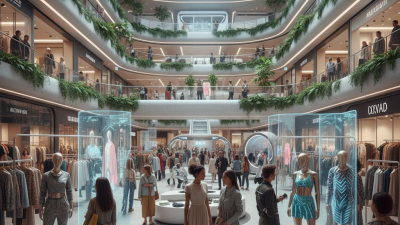
Women's gym wear is popular worldwide because fitness now represents identity, confidence, and social connection. In many cities, leggings and lightweight jackets move easily from studios to cafés. This practical flexibility suits hybrid work and busy commuting. Social platforms also amplify the trend. Short workout videos show clothing in motion, not on static mannequins. Online fitness communities make exercise feel more public and achievable.
Cultural attitudes are changing, too. Many women prefer clothing that supports strength without demanding a single body shape. Better sizing, softer fabrics, and less restrictive designs encourage everyday movement. The World Health Organization reports that 31% of adults worldwide were insufficiently active in 2022. That gap creates demand for approachable fitness habits and comfortable apparel. Meanwhile, Grand View Research estimated the global activewear market at 412.3 billion US dollars in 2023, with continued growth expected through 2030. The figure covers all genders, so it should not be treated as direct proof of women's demand. That limitation matters.
Tips: Choose fabric for the activity, not only appearance. Check stretch, ventilation, and seam comfort. A secure waistband can matter more than a fashionable cut. Consider cost per wear. Also question whether social media trends fit your body, climate, and routine. Popular does not always mean suitable.