

Womens Swimwear has become a global buying category shaped by fashion, climate, body diversity, and digital retail. Grand View Research estimates that the global swimwear market reached approximately USD 20.1 billion in 2023, with continued growth expected through 2030. Statista reports also indicate strong online demand, especially among younger shoppers comparing fit, fabric, sustainability, and delivery options before purchasing.
The numbers vary. Definitions differ across reports. That matters.
For global buyers, Womens Swimwear is not simply bikinis, one-pieces, or beach accessories. It includes modest swimwear, performance suits, maternity designs, plus-size collections, recycled-fabric products, and resort styles. A buyer in Dubai may prioritize coverage and UPF protection. A retailer in Australia may focus on chlorine resistance and surf durability. A European boutique may request smaller production runs and refined packaging.
Melissa Odabash, a recognized swimwear designer and founder, has described her design philosophy in a clear sentence: “A swimsuit should make a woman feel confident.” That idea remains commercially important, although confidence cannot be measured through sales data alone. Product photography, accurate size charts, adjustable straps, and transparent fabric information often influence conversion more than attractive styling.
This guide examines what global buyers should understand before sourcing Womens Swimwear. It considers market signals, customer needs, fabric performance, seasonal planning, and responsible production. Some opportunities appear obvious. They may not be. A colorful collection can attract attention, yet poor fit can quickly create returns, lost trust, and unnecessary inventory.
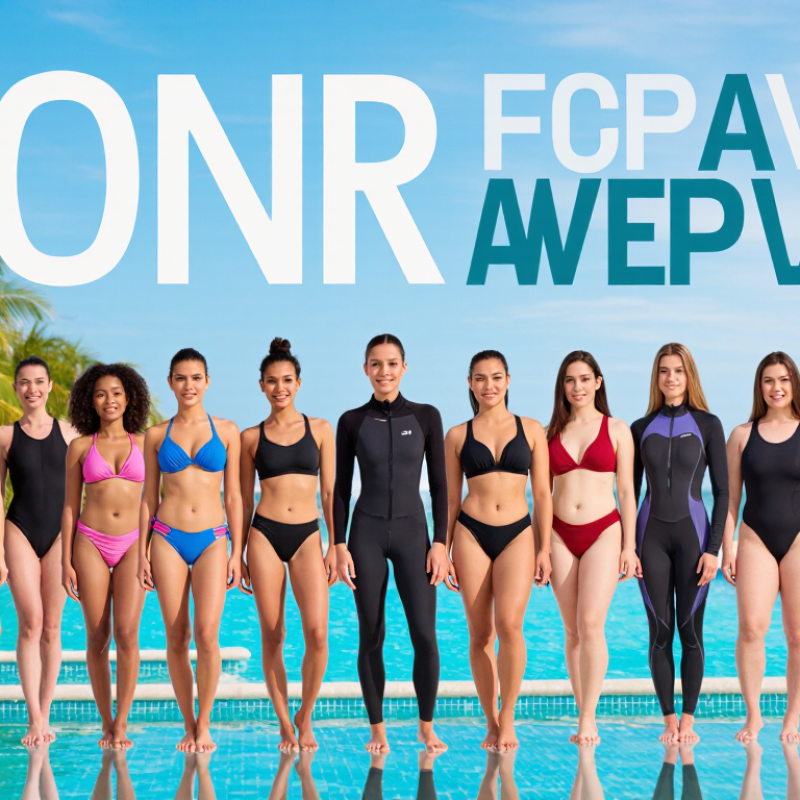
What Is Women’s Swimwear for Global Buyers?
Women’s swimwear covers one-piece suits, bikinis, tankinis, rash guards, swim dresses, and modest coverage styles. For global buyers, the category also includes fabric performance, sizing, compliance, packaging, and delivery requirements. A swimsuit is not only a fashion item. It must manage movement, water exposure, body support, and repeated washing.
Grand View Research estimates the global swimwear market reached USD 20.91 billion in 2023. Its report projects continued growth through 2030, supported by leisure travel, fitness, and online retail. However, market reports do not always separate women’s products consistently. That limitation matters when buyers compare regional demand. A beach market may favor bright prints, while sports customers may require chlorine-resistant fabric and secure straps.
The practical scope is wider than the product photograph. Buyers should check fabric composition, lining coverage, cup construction, seam strength, and colorfastness. UPF claims also need reliable test documentation, not attractive wording alone. Size charts should include body measurements in centimeters and inches. A sample should be tested after stretching, washing, and exposure to pool water. Small failures become expensive returns.
The 2024 McKinsey State of Fashion report highlights cautious consumer spending and stronger value expectations. This suggests that durability can influence purchasing decisions as much as seasonal design. The better question is not, “Does it look attractive?” It is, “Will it perform across markets, bodies, and care routines?” That question remains imperfect, because local preferences change faster than many buying plans.
Women's swimwear includes one-piece swimsuits, bikinis, tankinis, swim dresses, rash guards, burkinis, and other functional beachwear designed for swimming, leisure, travel, and water sports. The chart shows an indicative regional market distribution based on publicly reported global swimwear market estimates, with values rounded for presentation.
Estimated 2023 women's swimwear market value by region, in USD billions. Sources: publicly available market research estimates from Grand View Research, Fortune Business Insights, and comparable industry reports; regional figures are rounded and intended to illustrate the global buyer scope.
Women’s swimwear includes several practical types for different bodies, activities, and selling markets.
One-piece swimsuits offer secure coverage and a clean silhouette. Bikinis provide flexible combinations, including triangle, bandeau, and high-waisted bottoms. Tankinis sit between both options, making fitting easier for many customers. Swim dresses and modest suits add coverage without looking purely athletic.
Cut changes the wearing experience. High-waisted bottoms can support the midsection, while adjustable straps help manage different shoulder heights. Underbust bands, removable cups, and a fully lined front improve comfort during movement. Sport-focused styles often use wider straps and tighter leg openings. Leisure styles may use softer shaping, textured fabric, or subtle prints. The best choice depends on local climate, customer habits, and preferred coverage.
Fabric quality deserves careful checking. Nylon blends feel smooth and dry quickly, while polyester often handles repeated pool use well. Stretch should recover after pulling, not remain loose at the waist. Seams must lie flat, especially around the armholes and crotch. Dark colors may hide transparency better, but testing remains necessary under strong light. UPF claims should come from reliable testing, not attractive packaging alone. Fit can still vary. A size chart is useful, yet sample measurements and real wear trials reveal problems that charts miss. Wholesale buyers should inspect lining, colorfastness, stitching, and packaging before placing larger orders.
Material selection determines comfort, durability, and buyer confidence. Textile Exchange’s Materials Market Report 2024 reports that polyester represented about 57% of global fiber production in 2023. Recycled polyester also reached roughly 14% of polyester output. These figures explain its popularity in swimwear, but recycled content alone proves little. Buyers should request verified content documentation, fiber composition, and traceable supplier records.
Nylon and polyester offer different advantages. Nylon usually feels softer and recovers well after stretching. Polyester often resists chlorine, sunlight, and repeated washing more effectively. Elastane improves fit, yet excessive heat can damage its recovery. A practical fabric should pass colorfastness, chlorine-resistance, and stretch-recovery testing. UPF claims should reference recognized methods, such as AATCC 183 or AS/NZS 4399. Test conditions matter.
Construction is equally important. Flatlock seams reduce rubbing during long beach sessions. Reinforced gussets support movement and reduce stress at the crotch. High-quality lining prevents transparency when wet. Secure elastic should stay firm without leaving deep marks. We have seen attractive samples fail after limited pool exposure. The problem was weak thread tension, not the fabric itself. No material is perfect. Global buyers should compare test reports, sample results, wash cycles, and production consistency before approving large orders.
What Is Women’s Swimwear For Global Buyers?
Sizing, Fit, and Cultural Preferences Across Markets
Women’s swimwear rarely fits every market through one standard size chart. Body proportions vary, even when customers share the same listed size. A medium may need more hip room in one region, while another market may prefer additional bust coverage. Reliable buyers compare garment measurements, not labels alone. They should review bust, waist, hip, torso length, and stretch recovery before placing larger orders.
Fit testing should include different body shapes and movement needs. A swimsuit must stay secure during walking, swimming, and sitting. Wide straps can improve comfort, while adjustable features support more customers. However, extra compression is not always better. Tight fabric may create pressure marks and reduce confidence. A chart can still mislead.
Cultural preferences also influence purchasing decisions. Some customers seek high coverage, longer legs, or higher necklines. Others prefer open backs, narrow straps, or minimal fabric. These choices may reflect climate, modesty, sports use, age, or personal style. Avoid treating one country as culturally uniform. Regional research and local feedback are more dependable than assumptions. Product teams can compare return reasons, fit comments, and sample trials across markets. Even then, the data may be incomplete. That limitation deserves attention. Clear measurement diagrams, honest stretch descriptions, and model photos from varied body types help global buyers make better decisions.
What Is Womens Swimwear For Global Buyers?
For global buyers, women’s swimwear means more than attractive colors and seasonal cuts. Buying standards should cover fabric recovery, wet opacity, chlorine resistance, colorfastness, and seam strength. A swimsuit may look perfect on a dry mannequin, then stretch badly in water. That detail matters. Size grading should reflect the target market, not only the supplier’s standard chart. Buyers should request measurement tolerances and test several sizes before production.
Regulations vary by destination, so suppliers must provide accurate fiber content, care instructions, country-of-origin details, and required labeling. Chemical compliance also deserves attention, especially for dyes, prints, metal parts, and elastic materials. Children’s swimwear may involve additional safety rules, including drawstring requirements. Confirm current requirements with qualified local specialists. Never rely on an old checklist. Rules change, and small updates can delay shipments.
Tips: Request a pre-production sample, a fabric test report, and a written quality plan. Check the swimsuit after washing, stretching, and light pool exposure. Review the supplier’s factory records, production capacity, inspection process, and worker training. Traceable material records are valuable. A low price can hide weak elastic or inconsistent stitching. One imperfect sample is not always a failure, but ignoring it is risky. Suppliers should answer clearly and correct problems with evidence, not promises.
| Buying Dimension | Recommended Buyer Standard | Key Tests or Evidence | Regulatory or Market Consideration | Supplier Evaluation Indicator | Suggested Weight |
|---|---|---|---|---|---|
| Fiber Composition | Specify the exact fiber percentage on the product and packaging; common swimwear constructions use polyamide or polyester blended with elastane. | Fiber composition test, supplier material specification, colorway approval sample. | Textile labeling rules generally require fiber names and percentages in the destination market’s official language or format. | Traceable material records and consistent composition between approved sample and bulk production. | 15% |
| Colorfastness | Set minimum performance levels for washing, seawater, chlorinated water, perspiration, and light exposure. | Colorfastness reports using applicable ISO, AATCC, or equivalent recognized methods. | Requirements vary by retailer and market; dark and fluorescent shades usually require additional risk control. | Documented test history, shade approval procedure, and corrective-action process for failed lots. | 12% |
| Stretch and Recovery | Fabric should provide comfortable multidirectional stretch and recover its shape after repeated extension and wear. | Stretch-recovery test, dimensional stability test, and repeated-wear fitting assessment. | No single global threshold applies; buyers should define measurable acceptance limits in the technical specification. | Consistent fabric weight, elastane quality, pattern engineering, and documented pre-production testing. | 12% |
| Fit and Size Grading | Use a market-specific size chart covering bust, underbust, waist, hip, torso length, and cup or support requirements where applicable. | Measurement specification, graded pattern, fit sample review, and tolerance inspection. | Sizing is not globally standardized; product pages must clearly state measurements and conversion information. | Reliable pattern-making capability, documented tolerances, and low alteration rates during sample approval. | 15% |
| Construction and Durability | Require secure seams, even stitching, reinforced stress points, stable lining, and functional closures or adjusters. | Seam-strength testing, wash-cycle assessment, visual workmanship inspection, and needle or sharp-object control. | Children’s swimwear may have additional drawcord, small-part, and entrapment requirements in some jurisdictions. | Clear quality-control checkpoints from cutting through final packing and a documented defect classification system. | 14% |
| Chemical Compliance | Control restricted substances in dyes, prints, coatings, metal components, elastics, and packaging materials. | Recent laboratory test reports, chemical inventory, supplier declarations, and restricted-substance management procedure. | Applicable rules may include EU REACH, U.S. state chemical restrictions, and destination-market product-safety laws. | Ability to identify chemical inputs by production stage and provide batch-linked documentation. | 14% |
| Labeling and Packaging | Include fiber content, care instructions, size, country-of-origin information where required, and importer or responsible-party details when applicable. | Artwork approval, barcode verification, packaging inspection, and destination-market label checklist. | Labeling obligations differ by jurisdiction; care labeling and textile fiber disclosure should be checked before shipment. | Supplier can manage multilingual labels, packaging revisions, and lot-level traceability without mix-ups. | 8% |
| Social and Ethical Production | Assess working hours, wages, health and safety, forced-labor risks, grievance channels, and subcontracting controls. | Independent social audit, worker interview evidence, policy documents, and corrective-action records. | Importers may face supply-chain due-diligence, forced-labor, and modern-slavery reporting obligations. | Transparent factory disclosure, controlled subcontracting, and timely closure of audit findings. | 8% |
| Production Capacity and Lead Time | Confirm realistic sampling, material booking, production, inspection, and replenishment timelines before placing an order. | Capacity plan, production calendar, on-time delivery records, and contingency plan for peak seasons. | Seasonal demand, customs documentation, and shipping conditions can materially affect the landed delivery date. | Capacity is supported by verifiable machinery, staffing, material planning, and production-status reporting. | 7% |
| Quality Assurance and Inspection | Use approved specifications, first-piece checks, in-line inspection, final random inspection, and documented defect limits. | Inspection reports, sampling plan, measurement records, needle-control records, and corrective-action reports. | Acceptance criteria should be agreed contractually and aligned with the buyer’s risk level and sales channel. | Quality data is measurable, repeatable, and available before shipment rather than after customer complaints. | 10% |
| Total Evaluation Weight | 100% | ||||