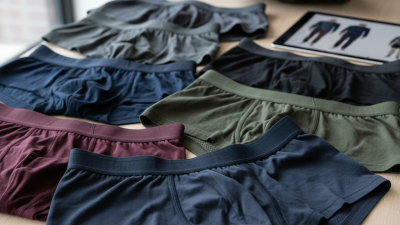

Choosing mens boxers for wholesale requires more than comparing prices on a supplier’s product sheet. Retailers must examine fabric quality, sizing consistency, construction, packaging, and expected customer use. Cotton blends may feel soft and breathable, while modal can offer a smoother touch. However, fabric performance can vary between factories, even with similar specifications.
A practical buying process begins with samples. Check the waistband recovery after repeated stretching. Inspect stitching around the fly, leg openings, and seams. Small defects become expensive when multiplied across hundreds of units. Ask suppliers about minimum order quantities, lead times, customization options, and quality control procedures. Reliable partners should provide clear measurements, material details, and production references. They should also support responsible manufacturing and accurate product labeling.
Do not trust photographs alone.
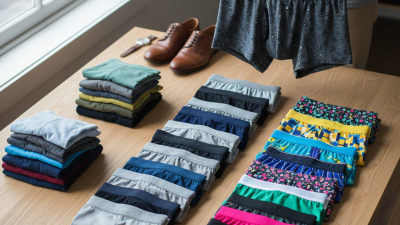
Wholesale decisions also depend on the target market. Some shoppers prefer longer legs for daily comfort, while others want shorter cuts for sports or warm climates. Color selection matters, too. Neutral shades often sell steadily, but seasonal tones can create stronger visual appeal. Still, trend-based purchasing can leave unsold inventory. I have seen attractive designs perform poorly because the fit was overlooked. That mistake is easy to repeat.
These seven tips will help buyers assess mens boxers with greater confidence. They focus on comfort, durability, supplier reliability, and realistic profit planning. No sourcing guide is flawless. Market testing remains necessary. A small trial order can reveal more than a polished sales pitch.
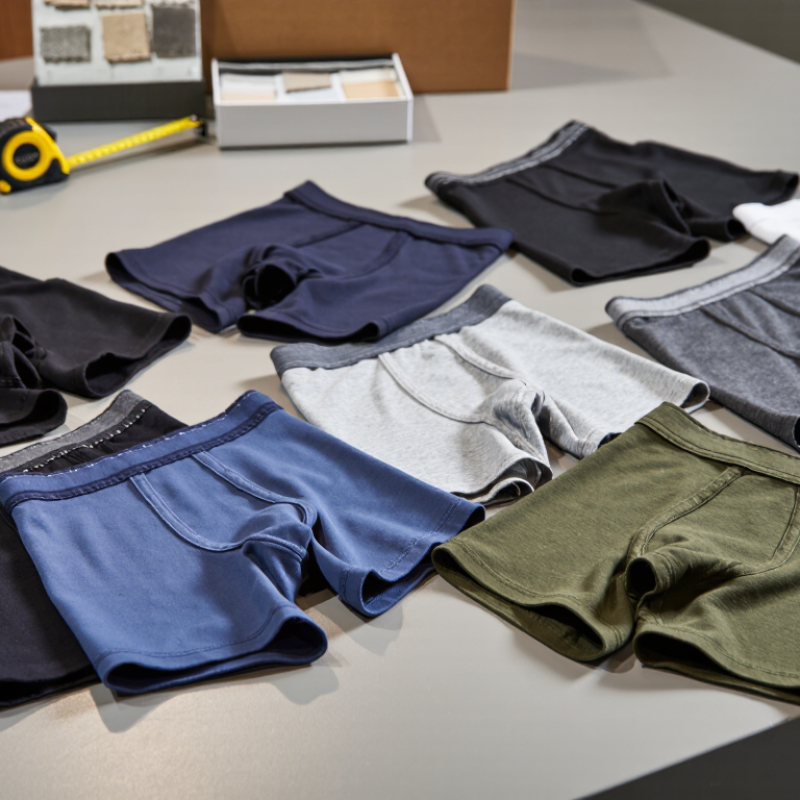
Wholesale boxer buying should begin with the customer, not the carton price. Allied Market Research valued the men’s underwear market at about $39.4 billion in 2021. It projects nearly $59.4 billion by 2031. This growth does not mean every buyer wants the same product. A gym-focused retailer may need breathable stretch fabric and a supportive pouch. A value-led supermarket may prefer simple cotton, stable sizing, and low packaging costs. Online sellers need clear measurements because returns can quickly damage margins.
Tip 1: Build two or three buyer profiles before requesting samples. Record age range, climate, selling channel, expected retail price, and common sizes.
Tip 2: Ask customers about movement, not only appearance. Test waistband pressure after eight hours. Check whether seams rub during sitting, cycling, or warehouse work. A sample that feels fine for ten minutes may fail by afternoon.
Tip 3: Match the assortment to local evidence. The 2024 Textile Exchange Materials Market Report shows polyester remains one of the world’s dominant fiber groups, while recycled options continue expanding. That supports fabric experimentation, but sustainability claims require supplier documentation. Do not assume a recycled label proves better performance. It may not. Review fiber content, colorfastness, shrinkage, and wash-test results. I have seen buyers over-order unusual colors because they looked impressive in samples. Basic black, navy, and gray often move more reliably, though local sales data should decide.
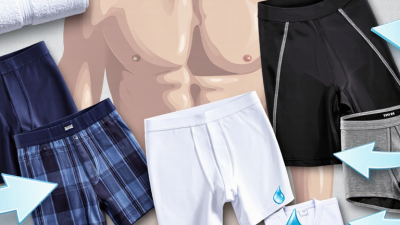
For wholesale buyers, comparing boxer styles means matching design with the customer’s daily movement. Loose woven boxers offer airflow and a relaxed feel. Boxer briefs provide closer support under slim trousers. Trunks use shorter legs and suit shoppers who dislike extra fabric. Grand View Research estimates the global men’s underwear market reached about USD 39 billion in 2023, with steady growth expected through 2030. That growth rewards practical, repeat-purchase products.
Tip 1: Check the rise. A mid-rise fit works for most body shapes, but waistbands should not roll during sitting. Tip 2: Compare leg openings on live models, not only flat samples. Tip 3: Test pouch depth and seam placement for support without pressure. Tip 4: Inspect fabric recovery after repeated stretching. Cotton-rich blends feel familiar, while modal or elastane can improve softness and movement. Textile Exchange’s 2024 Materials Market Report states that polyester represented about 57% of global fiber production in 2023, so recycled or performance polyester may support quick-dry ranges.
Tip 5: Request shrinkage and colorfastness test results before placing bulk orders. Tip 6: Match features to climate: mesh panels help in humid markets, while brushed interiors suit cooler regions. Tip 7: Compare packaging space and size grading, because small fit errors create costly returns. I have seen attractive samples fail at the waistband. That detail is easy to underestimate. Reported market growth is useful, but real buyer feedback should still challenge the forecast.
Evaluate fabric quality before discussing volume. A smooth hand feel is useful, but it does not prove lasting performance. Check the fiber content, fabric weight, stretch recovery, and surface evenness. Cotton-rich blends often provide breathability, while a small elastane percentage can improve movement. However, too much stretch may reduce shape retention.
Order samples from each proposed production batch. Wear them during sitting, walking, and light exercise. Notice pressure around the leg openings, rubbing at the seams, and heat buildup after several hours. Comfort is not only softness. A wide, covered waistband should stay flat without digging into the skin. Flat seams can reduce irritation, but poor stitching may still create rough edges. Small details matter.
Wash samples several times before approving a wholesale order. Measure shrinkage, inspect fading, and test whether the waistband returns to its original shape. Pull the fabric gently near the fly and leg openings. Weak recovery is a warning sign. Durability claims should be supported by repeat testing, not attractive photos. I have seen very soft fabrics lose their structure quickly. That mistake is easy to repeat when deadlines are tight. Ask for production records, inspection procedures, and clear tolerance levels. Leave room for honest uncertainty. Even careful testing cannot predict every customer’s washing habits.
Choosing men’s boxers for wholesale requires more than checking waist measurements. Sizing standards vary between factories and markets. Ask for a measurement chart showing waist, hip, thigh, rise, and leg opening. Request physical samples in at least three sizes. A medium that fits comfortably on paper may feel tight after washing.
I once approved a sample using waist size alone. The waistband looked correct, but the thigh opening restricted movement. That mistake taught me to test sitting, walking, and bending. Measure the fabric after one wash cycle. Record shrinkage, seam twisting, and elastic recovery. Keep these notes beside the supplier’s size chart. Small details prevent costly returns.
Packaging also affects wholesale value. Check whether each pair arrives folded, protected, and easy to count. Individual bags may suit retail shelves, while bulk cartons can reduce handling costs. Confirm carton dimensions, packing quantities, labels, and moisture protection before production. Private label options should include woven labels, printed care information, hangtags, and custom packaging. Confirm artwork placement with a pre-production sample. Some suppliers promise flexibility but limit small orders. Ask about minimum quantities, setup fees, lead times, and replacement procedures in writing. The cheapest packaging is not always the most practical.
Check sizing standards, packaging, fabric quality, order requirements, and private label options before placing a wholesale order.
The chart shows common men's boxer waist-size bands in inches. Size labels vary by supplier, so buyers should always request a measurement chart, confirm stretch allowance, and test samples before production.
Choosing men’s boxers for wholesale requires more than comparing catalog photos. Assess each supplier’s production capacity, fabric sources, delivery history, and communication speed. Ask for recent samples, size charts, fabric composition, and stitching details. Samples reveal more. Check waistband recovery after stretching, seam strength, colorfastness, and comfort against the skin. A neat sample does not always prove consistent factory production, so request inspection records or a small trial order.
Minimum order quantities can shape your cash flow. A low MOQ may suit market testing, while a high MOQ may reduce unit prices but leave unsold sizes. Discuss mixed colors, size ratios, packaging options, and reorder quantities before signing an agreement. Pricing should include sampling, labeling, packaging, freight, duties where applicable, and possible inspection fees. Cheap is not cheap. Compare the complete landed cost, not only the quoted unit price. Ask whether material prices or production charges can change later.
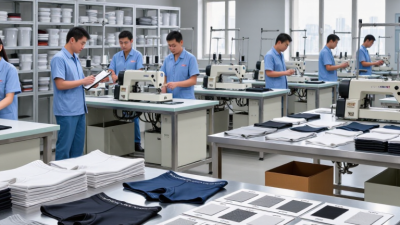
Quality control needs written standards. Specify acceptable stitching, measurement tolerance, fabric weight, waistband width, loose-thread limits, and carton quantities. Use pre-production samples, during-production checks, and final inspections. Keep photos and measurement reports for every shipment. A supplier should explain how defects are handled and how replacements or credits are calculated. No checklist is perfect. I would still recheck random cartons, because rushed assumptions can hide uneven sizing or damaged packaging. Reliable sourcing comes from records, clear communication, and repeated verification.
| No. | Assessment Area | What to Check | Practical Wholesale Benchmark | Recommended Verification | Common Warning Sign |
|---|---|---|---|---|---|
| 1 | Assess Supplier Experience | Review years producing underwear, export experience, production capacity, product categories, and documented quality procedures. | Prefer suppliers that can provide recent production samples, factory or production-site information, and a clear contact for quality issues. | Request sample invoices, a production-capacity statement, audit summaries, and two or more recent customer references where available. | Unclear production location, inconsistent product specifications, or refusal to provide basic compliance documentation. |
| 2 | Compare Minimum Order Quantities | Confirm whether the MOQ applies per style, color, size, fabric, or total order. Check sample-order and repeat-order rules. | Standard stock programs may begin around 100–500 pieces per style; custom colors or private-label production commonly require higher quantities. | Ask for a written MOQ schedule and calculate the total quantity created by every color-size combination. | A low headline MOQ that increases sharply for each color, size, logo, label, or packaging option. |
| 3 | Evaluate Pricing Transparently | Compare fabric composition, garment weight, sewing details, packaging, labeling, freight terms, duties, and payment conditions. | Indicative factory-level prices can range approximately from US$1.50–$4.50 per pair, depending on fabric, construction, order volume, and customization. | Use a landed-cost worksheet that includes unit price, sampling, tooling, packaging, freight, insurance, duties, inspection, and payment fees. | An unusually low quote with no fabric weight, composition, delivery term, packaging detail, or explanation of excluded costs. |
| 4 | Check Fabric and Fit Quality | Verify fiber content, fabric weight, stretch recovery, waistband comfort, seam construction, fly design, and size grading. | Request the approved fabric composition and tolerance before production. Common blends include cotton-elastane or regenerated-cellulose fibers with elastane. | Wash-test samples, measure key points against the size chart, and compare stretch recovery after repeated extension and laundering. | Fabric composition differs from the specification, waistband rolls, seams irritate the skin, or measurements vary noticeably between samples. |
| 5 | Define Quality-Control Standards | Set acceptable limits for stitching, fabric defects, stains, shade variation, measurements, labeling, packaging, and carton quantities. | Use a written inspection checklist and an agreed sampling plan, such as general inspection level II under ANSI/ASQ Z1.4 or an equivalent standard. | Conduct pre-production approval, in-line checks, final random inspection, and shipment-count verification. | The supplier relies only on visual inspection without records, measurement tolerances, defect classifications, or corrective-action procedures. |
| 6 | Verify Safety and Compliance | Check restricted-substance requirements, colorfastness, wash-care labeling, fiber labeling, packaging rules, and destination-market regulations. | For applicable markets, request current third-party test reports for restricted substances and performance tests relevant to the fabric and trims. | Confirm that reports match the exact fabric, color, trim, and production specification rather than a similar item. | Outdated reports, missing test scope, untraceable laboratory information, or labels that do not match the actual fiber content. |
| 7 | Confirm Lead Time and After-Sales Support | Clarify sample timing, production lead time, inspection windows, shipping documents, remake policy, and claims procedure. | Stock replenishment may take roughly 2–5 weeks, while customized production often takes about 4–10 weeks after approval, depending on order complexity. | Include approval deadlines, shipment milestones, late-delivery remedies, defect-reporting periods, and replacement or credit terms in the purchase agreement. | Unconfirmed delivery dates, no written claims process, or requests for full payment before specifications and samples are approved. |