
Finding the right clothing website can make global shopping easier, but it rarely makes every choice simple. Buyers may compare prices, shipping options, size charts, and return policies before placing an order. A shirt that looks crisp on a bright screen can feel different in person. Details matter.
This guide explores clothing websites that serve shoppers across borders, from everyday basics to distinctive seasonal pieces. It considers practical factors such as international delivery, product descriptions, payment choices, customer support, and clear return terms. These details can affect the full experience, not just the checkout. A low listed price may not include shipping or local fees, so buyers should review the final total before ordering. Sizing also varies between brands. A tape measure and the garment’s own chart can be more useful than a familiar label.
No single store suits every shopper. Some people value broad selection, while others want reliable delivery or easy returns. Reviews can offer useful clues, though they do not guarantee the same result for every order. I would also be cautious about treating polished photos as proof of quality. Fabric descriptions and care instructions deserve a closer look. Sometimes, they are vague. The following outline highlights options and comparison points to help global buyers make informed decisions, while recognizing that availability and shipping terms can change. A little checking helps.
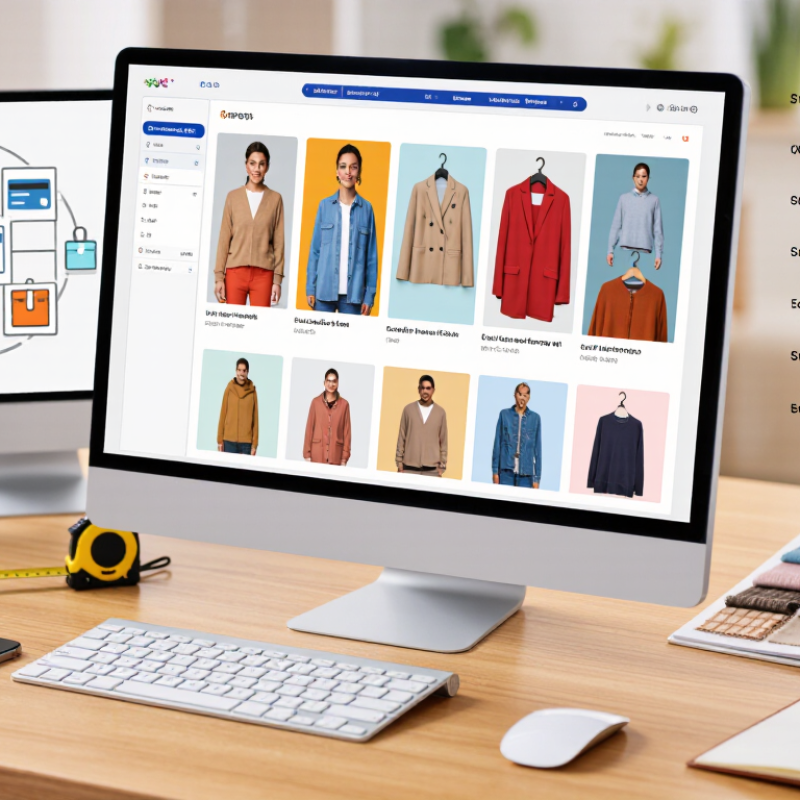
Global clothing websites serve international buyers by reducing uncertainty before checkout.
Clear size charts should show garment measurements in centimeters and inches, not only vague labels. A buyer in Seoul, Nairobi, or Toronto may compare sleeve length with a familiar shirt at home.
Useful product pages display fabric weight, stretch, lining, care instructions, and model measurements. Close-up photos reveal stitching and texture.
Shipping origins, delivery estimates, taxes, and possible import charges should appear clearly. Local currencies help, but exchange rates can change. That detail deserves a visible timestamp.
Reliable sites offer language support, accessible payment methods, and customer service that understands time-zone delays. Tracking should show customs processing and local handoffs, rather than repeating “in transit.”
Return rules need plain wording: the deadline, return address, item condition, and postage responsibility. Regional warehouses may shorten delivery and simplify returns, though stock can differ by country.
Reviews become more useful when they mention height, measurements, and fit preferences. Not every size chart is accurate.
I have seen the same “medium” fit differently across fabrics, so checking measurements remains safer than trusting the label.
Privacy information also matters when buyers enter addresses, phone numbers, and payment details.
When comparing clothing websites for global buyers, start with delivery clarity. Check whether shipping costs appear before checkout. A low item price can hide expensive international postage. I also inspect estimated delivery dates, tracking options, and customs information. Vague wording creates unnecessary risk. A reliable retailer explains possible delays without promising perfection.
Product details deserve equal attention. Look for fabric composition, garment measurements, care instructions, and photographs from several angles. A size chart should use clear units, not confusing abbreviations. Customer reviews can reveal fit problems, thin fabric, or color differences. However, reviews are not always consistent. I compare repeated comments instead of trusting one dramatic opinion. Size tools help, but they cannot replace measuring a similar garment at home.
Return policies often separate convenient websites from frustrating ones. Check the return window, shipping responsibility, refund timing, and excluded items. The policy should remain easy to find on a phone. Secure payment methods and visible customer support also matter. I prefer websites that answer questions with specific information. Automated replies sometimes sound helpful but avoid the actual issue. Accessibility is another useful measure, including readable text, simple navigation, and accurate product descriptions. A polished website can still provide poor service, so I save screenshots of orders and policy details. That small habit has prevented confusion, though I still occasionally overlook hidden conditions.
The chart highlights the main online-shopping friction points that clothing retailers should address. Transparent total costs, reliable delivery, trusted checkout, guest purchasing, simple navigation, and flexible returns are important comparison criteria for global buyers. Percentages are based on Baymard Institute’s online-cart-abandonment benchmark.
Top Clothing Websites for Global Buyers?
Leading clothing websites are judged by product range and market reach, not attractive homepages alone. A strong platform should offer daily wear, formal pieces, outerwear, footwear, and extended sizing. Clear filters should separate fabric, fit, color, and regional availability. Product pages need measurements in centimeters and inches. They should also show care instructions, delivery estimates, duties, and return conditions. DHL’s 2024 E-Commerce Trends Report found that 56% of shoppers buy from retailers outside their home country. That figure highlights the value of international payment options and reliable fulfillment.
Market reach also depends on practical localization. Useful websites support multiple currencies, local languages, and familiar payment methods. They should explain customs responsibility before checkout. McKinsey and The Business of Fashion’s State of Fashion 2025 report expects modest fashion-industry growth, making assortment discipline more important than endless listings. A broad catalog is helpful. Too much choice can become noise. Independent quality reviews, verified measurements, and recent customer photos improve buying confidence. My own evaluation would also check whether stock information changes accurately after adding an item to the cart. Small errors matter. Industry reports offer valuable benchmarks, but they rarely capture every return delay, payment failure, or regional sizing problem. That gap deserves attention.
| Website Type | Typical Product Range | Product Range Score (1–5) |
Typical Market Reach | Market Reach Score (1–5) |
Best For | Common Buyer Considerations |
|---|---|---|---|---|---|---|
| Global Fashion Marketplaces | Apparel, footwear, accessories, sportswear, occasion wear, and seasonal collections | 5 | Multiple continents with cross-border ordering and localized shopping experiences | 5 | Buyers seeking the broadest selection in one place | Seller standards, import duties, delivery times, and return eligibility can vary by listing |
| Multi-Brand Fashion Retailers | Contemporary clothing, designer collections, footwear, bags, and accessories | 4 | Strong coverage in North America, Europe, selected Asia-Pacific markets, and the Middle East | 4 | Shoppers who value curated collections and consistent service | Prices may exclude taxes, duties, or regional delivery charges |
| Direct-to-Consumer Clothing Stores | Focused collections such as casualwear, workwear, denim, activewear, or basics | 3 | Usually strongest in the seller’s home region, with international shipping available in selected countries | 3 | Buyers looking for consistent sizing and a focused product identity | International returns, size conversion, and shipping coverage should be checked before purchase |
| Fast-Fashion Online Retailers | Trend-led clothing, accessories, occasion wear, and frequent new arrivals | 4 | Broad international reach, especially among mobile-first shoppers and younger demographics | 4 | Trend-conscious buyers seeking lower entry prices | Garment measurements, fabric composition, quality consistency, and sustainability policies require careful review |
| Sportswear and Outdoor Specialists | Performance apparel, footwear, technical layers, swimwear, and outdoor equipment | 3 | International availability varies by product category, climate, and distribution agreements | 3 | Buyers prioritizing technical features and durability | Check fabric technology, activity-specific fit, warranty coverage, and regional product restrictions |
| Luxury and Designer E-Commerce Sites | Designer apparel, premium accessories, footwear, jewelry, and limited collections | 3 | Primarily serves major fashion markets and high-income urban customers worldwide | 4 | Buyers seeking authenticity, exclusivity, and premium service | Authentication, insured delivery, taxes, and return conditions are especially important |
| Modest and Cultural Fashion Stores | Long dresses, modest tops, scarves, layering pieces, occasion wear, and regional styles | 3 | Strongest reach in markets with established modest-fashion demand, plus selected global destinations | 3 | Customers seeking coverage, cultural relevance, and specialized cuts | Review garment length, opacity, sleeve measurements, and regional customs fees |
| Second-Hand and Resale Platforms | Pre-owned clothing, vintage pieces, accessories, footwear, and limited-edition items | 5 | International reach depends on seller participation, payment support, and cross-border logistics | 4 | Value-focused and sustainability-conscious buyers | Condition grading, measurements, seller reliability, authenticity, and limited return rights matter greatly |
| Scoring guide: 1 = limited range or regional reach; 5 = very broad product selection or extensive international reach. Actual availability, delivery options, taxes, duties, and return policies vary by destination and seller. | ||||||
Top Clothing Websites for Global Buyers?
International clothing shopping requires more than attractive photos. I check delivery estimates, warehouse locations, and tracking options before placing an order. Shipping times can change during holidays or customs inspections. A low delivery fee may exclude local taxes, handling charges, or remote-area surcharges.
Sizing is often the greatest risk. I compare the website’s measurement chart with a garment I already own. Chest, waist, hip, sleeve, and inseam measurements matter more than labels such as medium or large. Measure twice. Some charts use centimeters, while others use inches, so I confirm the unit carefully. Customer reviews can reveal whether fabric stretches or fits unusually narrow.
Returns deserve equal attention. I look for the return window, eligible conditions, refund method, and return-address location. A return may cost more than the original item when international postage is involved. Keep records. I save order confirmations, parcel photos, and tracking numbers until the refund appears. For payment, I prefer protected checkout methods and avoid sending card details through messages. Currency conversion can include a hidden exchange margin from the payment provider. I once ignored this small charge and misjudged the final cost. That mistake still influences how I compare prices across borders.
Fit comes first. Choosing a clothing website begins with fit, not visual appeal. Check size charts in centimeters and inches. Compare garment measurements with a shirt you already own. Customer reviews should mention height, body shape, fabric feel, and shrinkage. Generic praise is less useful. Product pages should show fiber content, care instructions, country of dispatch, and estimated delivery dates. According to the DHL E-Commerce Trends Report 2024, 59% of shoppers buy from retailers outside their home country. Clear cross-border information matters.
Trust is tested at checkout. Trust also depends on the checkout experience. Look for prices in your currency, transparent taxes, secure payment options, and a written returns policy. The 2024 NRF and Appriss Returns Report estimated that 16.9% of annual retail sales were returned in the United States. Clothing websites should explain who pays return shipping and whether international refunds lose currency value. I also check customer-service response times before ordering. A fast reply is useful evidence. Still, my checklist is not perfect. Reviews can be manipulated, and delivery estimates can change. Save screenshots of the listing and policy before payment. Independent certifications, accessible company details, and consistent contact information strengthen credibility. A lower price is not a bargain if the fabric feels thin, the size is unclear, or returning one item costs more than the garment.