
What Are the Top Types of Girls Shoes?

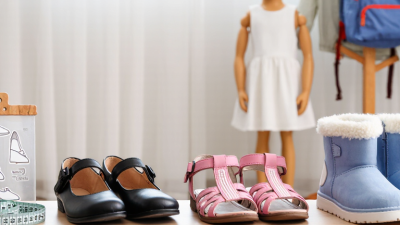
What are the top types of girls shoes, and how can families choose pairs that work beyond the display shelf? The answer depends on age, activity, weather, and fit. Ballet flats, sneakers, Mary Janes, sandals, boots, and school shoes each serve different needs. A shiny finish may catch a child’s eye, but comfort matters after a full day of walking.

Footwear consultant William A. Rossi wrote, “The shoe is the most complex item of apparel produced by man.” His observation is a useful reminder: shape, materials, fastening, and construction all affect how a shoe feels. For girls shoes, check that toes have room to move, the heel stays secure, and the sole bends where the foot naturally flexes. Try both shoes with the socks your child will wear. Walk around the shop, too. Small details matter.

This guide compares popular styles by purpose, from everyday sneakers to dress shoes and weather-ready boots. It also considers closures, materials, and features that can make daily dressing easier. Children’s feet grow, but growth does not follow a tidy schedule. Recheck fit regularly, and don’t assume a favorite pair still works. That part is easy to overlook. No single style suits every child, and even a well-made shoe may feel wrong on one particular foot.
What Are the Top Types of Girls Shoes?

What Defines Girls’ Shoes and Their Main Categories

What Are the Top Types of Girls Shoes?

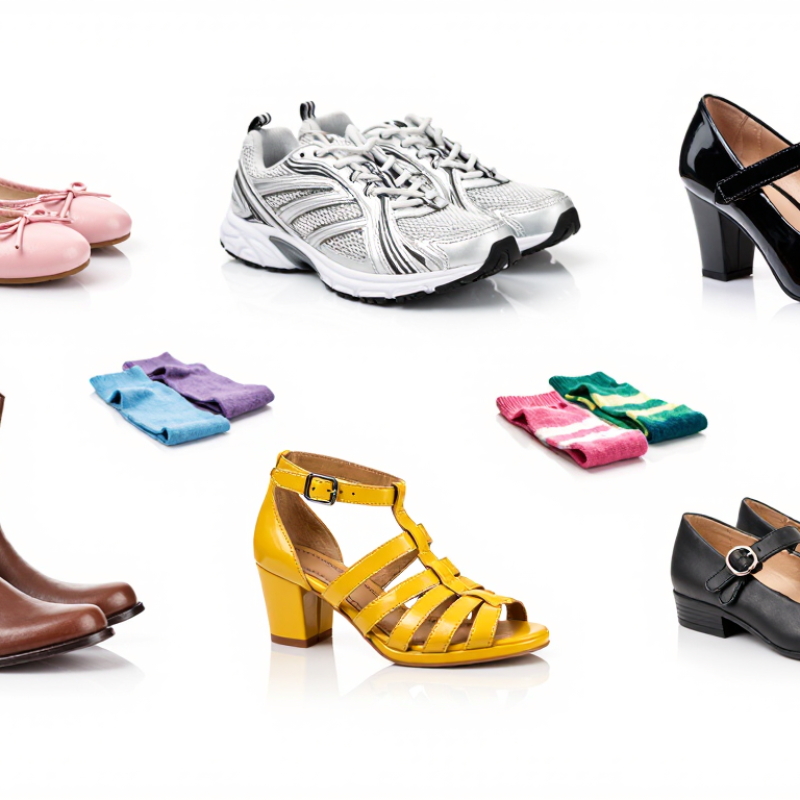
Girls’ shoes are best defined by fit, construction, and intended use—not color or decoration. Main categories include sneakers for active days, structured school shoes, sandals for warm weather, boots for wet or cold conditions, and flats or dress shoes for formal occasions. Some shoes overlap: a lightweight sneaker may suit school, while a supportive sandal can work for everyday wear. The key details are a secure heel, flexible forefoot, and enough room for toes to spread. Small details matter.

Market reports show why this category deserves careful attention. Grand View Research estimated the global children’s footwear market at USD 46.5 billion in 2022 and projected a 4.9% compound annual growth rate from 2023 to 2030. That figure covers children’s footwear broadly, not girls’ shoes alone, so it should not be read as a girls-specific sales estimate. Still, it reflects substantial demand across everyday and specialty styles.

Tips: Measure both feet while standing, and fit the larger one. Check the fit with the socks your child will wear; toes should not press against the front, and the heel should not slip. Leave a little growing room, but not so much that the shoe feels unstable. It is easy to overvalue appearance. Comfort is harder to judge from a picture.

What Are the Top Types of Girls’ Shoes?

Girls’ shoes are commonly grouped by design and intended use, including flats, sneakers, sandals, boots, and dress shoes. The chart compares approximate heel-height ranges; styles vary, and heel height alone does not define a shoe category.

Heel heights are approximate examples in centimeters, not measurements of every shoe in each category.

Everyday Shoes for School and Casual Wear

For school and casual wear, girls’ everyday shoes should handle long corridors, playground stops, and the walk home. Simple trainers suit active days; lightweight flats or Mary Jane-style shoes can work with uniforms, provided they stay secure on the heel. Look for a flexible sole, breathable upper, and enough room for toes to spread. A snug fit matters. But “snug” should not mean tight.

Fit deserves more attention than appearance. A 2009 Austrian study by Klein and colleagues assessed 858 children and reported that 69.4% wore shoes that were too short indoors, rising to 88.1% outdoors. The figures are a reminder to check the actual shoe, not rely only on the size printed inside. Try shoes later in the day, when feet may be slightly larger, and check both feet while the child is standing. Leave a little growing room, but avoid shoes so loose that the heel slips. Check again soon. Children’s feet change, and a shoe that fit last term may already press against the toes. One detail is easy to overlook: thick socks can change the fit noticeably.

Dress Shoes for Parties and Special Occasions

For parties and special occasions, girls’ dress shoes often include ballet flats, Mary Janes, low heels, and simple dress sandals. The right pair depends on the event, the outfit, and how long she will wear them. A polished Mary Jane can feel secure during a school concert, while soft flats work well for family gatherings. Keep it comfortable.

Check the fit with the socks or tights she plans to wear. There should be a little room at the toes, but her heel should not slip with each step. A cushioned footbed and a flexible sole can make hours of standing less tiring. For younger girls, a strap or adjustable fastening may help keep shoes in place. Smooth, easy-to-clean materials are practical when snacks, grass, or a sudden drizzle become part of the day. I used to think a dressier shoe had to feel stiff to look elegant; that is not a useful rule. Try a short walk indoors and listen for rubbing or pinching before the occasion. The prettiest pair may still stay in the closet if it hurts.

Athletic and Outdoor Shoes for Active Use

For active days, girls’ athletic and outdoor shoes should match the ground and pace, not just look sporty. A flexible running shoe can work for school sports and paved paths, while a hiking shoe with a grippy sole offers steadier footing on uneven trails. Fit matters more than extra features. Leave a little room at the toes, check for heel slipping, and try shoes with the socks she’ll wear. Have her walk, jog, and stop; rubbing near the toes can show up quickly.

On wet grass or dusty playgrounds, breathable uppers help manage heat, though they may let water in. A reinforced toe can handle scuffs from rocks and playground edges. Not every child needs heavy ankle support; stiff shoes can feel awkward on easy routes. That detail is easy to overlook. Check the sole for wear and clear away packed mud, since worn tread may reduce grip. Replace shoes when the fit changes or the cushioning feels flattened, rather than relying only on a calendar. A size label can mislead, so recheck the fit as her feet grow.

What Are the Top Types of Girls Shoes? - Athletic and Outdoor Shoes for Active Use
Shoe Type Best For Typical Features Outsole and Traction Fit and Selection Tips Care Notes
Running Shoes Running, jogging, and everyday active wear Lightweight construction, cushioned midsole, breathable upper, and a flexible forefoot Rubber tread designed for grip on pavement and other firm surfaces Allow room at the toes and check that the heel feels secure without slipping Air-dry after use; remove loose dirt with a soft brush
Cross-Training Shoes Gym classes, fitness circuits, and varied indoor activities Stable base, supportive upper, and flexibility for movements in multiple directions Broad, grippy tread suited to indoor floors and short lateral movements Look for a secure midfoot fit; avoid excess movement during side-to-side steps Let the shoes dry fully between workouts to reduce trapped moisture
Court Shoes Tennis, basketball, and other court sports More lateral support, a stable midsole, and a durable upper for quick stops and turns Patterned rubber outsole; some indoor-court styles use non-marking rubber Choose a close, comfortable fit that holds the foot during changes of direction Brush away dust and check the outsole for worn tread
Hiking Shoes Day hikes and walks on uneven trails Protective toe area, supportive construction, and a more durable upper than typical running shoes Deeper lugs can provide traction on packed dirt and some uneven terrain Try them with hiking socks and check for toe room on downhill steps Clean off mud and dry away from direct heat
Trail-Running Shoes Running or walking on dirt paths and light trails Lightweight feel, a protective upper, and a sole designed for varied outdoor surfaces Lugged rubber tread generally offers more grip on trails than a smooth road outsole Match lug depth and shoe structure to the terrain; check that the fit feels secure on slopes Remove grit from the tread and let the shoes air-dry after wet outings
Water Shoes Beach visits, splash areas, and water-based recreation Quick-draining or quick-drying materials, a close fit, and a protective foot covering Flexible rubber sole intended to improve grip on wet surfaces; traction varies by design Check that the shoe stays on during movement and does not rub when wet Rinse off sand or salt and dry thoroughly before storing
Walking Shoes School-day walking, errands, and recreational walks on firm paths Comfortable cushioning, a breathable upper, and a flexible sole for regular steps Flat or lightly patterned rubber tread suited to sidewalks and indoor surfaces Prioritize comfort and a natural walking stride; fit both feet while standing Wipe clean as needed and inspect for uneven outsole wear
Outdoor Sandals Warm-weather walks, camps, and casual outdoor activities Adjustable straps, an open design, and a sole that is generally sturdier than a flat slipper Textured rubber or similar tread; grip and foot coverage differ by style Adjust straps to prevent sliding, and choose closed-toe styles when extra toe protection is useful Clean straps and footbeds according to material instructions; allow to dry fully

Fit, cushioning, and traction vary by shoe design. Choose footwear for the activity and surface, and check the fit as a child’s feet grow.

How Fit, Materials, and Purpose Distinguish Shoe Types

Girls’ shoes are easier to compare when fit is considered alongside their purpose. Sneakers usually suit active days, but a flexible sole and secure heel matter more than a sporty look. Leave a little space at the toes so they can move without pressing against the front. Flats can work for school or quieter outings, though thin soles may feel uncomfortable on long walks. Sandals need straps that hold the foot steady, not just a roomy shape. Boots offer coverage in cold or wet weather, but stiff seams can rub near the ankle. Small details matter.

Materials affect comfort and care. Mesh and other breathable fabrics can help feet stay cooler during play, while leather or sturdy synthetic uppers may offer more structure. Soft linings are useful, but check for rough seams by running a finger inside the shoe. Match the sole to the setting: grippy tread helps on playground surfaces, while a smooth sole may suit indoor use. Try shoes later in the day, when feet can be slightly larger, and check the fit with the socks your child will wear. Not every pair agrees. Fit advice can sound tidy, yet children’s feet differ, and one style may feel fine in the store but pinch after an hour. Recheck fit as they grow.

Go to Top