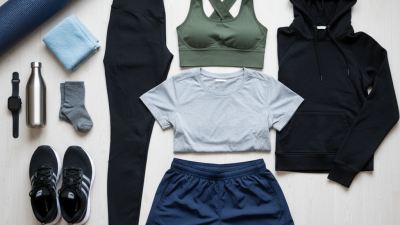

Choosing the right sportswear supplier can shape product quality, delivery schedules, and customer trust. A polished catalog may look convincing, but a sample tells a more useful story. Feel the fabric, check seam strength, and inspect how printed details hold after washing. Small differences matter.
For sports wear, performance claims should match clear specifications. Ask about fabric composition, sizing tolerances, production capacity, and quality checks. Request sample garments and written timelines before placing a larger order. A low unit price can lose its appeal when sizes vary or shipments arrive late. Not just cost.
The best supplier is not always the largest or cheapest. Your order volume, target customer, and launch schedule all affect the right choice. Compare minimum order quantities, sample fees, communication practices, and options for handling defects. Keep records of answers, because verbal promises can be hard to evaluate later. Some details may still be uncertain; production conditions can change, and one successful sample cannot guarantee every batch. This guide offers a practical way to assess suppliers, ask sharper questions, and make a decision based on evidence rather than first impressions.
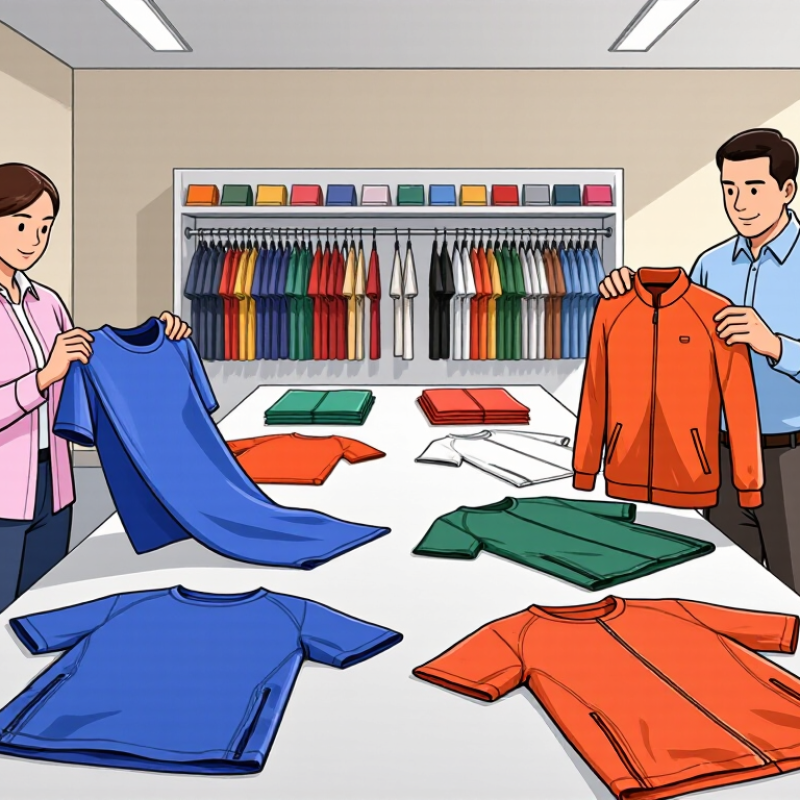
Before contacting suppliers, turn your business model into a clear product brief. List product categories, target price, order volume, and size range. Specify fabric weight, colors, and performance needs, such as stretch or moisture control. Separate launch orders from repeat orders; they test different capacities. A bulk-basics supplier may struggle with frequent small drops. That matters.
Material choices also need evidence. Textile Exchange’s Materials Market Report 2024 estimates global fiber production reached 124 million tonnes in 2023, with polyester accounting for 57%. Use this context to define fiber composition and sourcing documentation, not to assume one fabric suits every product. Ask suppliers for minimum order quantities, monthly capacity, lead times, sample procedures, test records, and defect remedies. Check a physical sample after washing. A certificate alone is not enough; records can be incomplete, so verify their scope and dates.
Tips: Build a one-page scorecard before requesting quotes. Rate each supplier on price, quality control, communication, and reorder flexibility. Start with a small paid sample run, if your budget allows. Keep notes. Compare delivered results, not promises.
Define your business needs first, then use a clear weighting system to compare potential suppliers.
The points below are an example planning allocation, not industry survey results. Adjust them to reflect your product range, order volume, budget, and delivery needs.
A useful shortlist starts with a clear picture of what your business needs. Define the product range, target price, expected order volume, and delivery window before contacting suppliers. Be specific. A request for “quality leggings” is hard to assess; details such as fabric weight, stretch, seam type, and size range are more useful. Ask whether the supplier has made similar garments and can share relevant production details. Check minimum order quantities, sample costs, and typical lead times. These figures help rule out suppliers who cannot fit your business model.
Compare a small group using the same questions and specifications. Request samples, then inspect stitching, fabric feel, fit, and how the garment holds up after washing. Keep notes beside each sample; memory is unreliable. Ask how production issues are handled and who will update you if a deadline changes. Look for clear, consistent answers, not just polished sales language. A tidy spreadsheet helps, but it will not reveal everything. Early samples may differ from bulk production, and a promising supplier can still miss a detail. Treat the shortlist as a working judgment, and leave room to revise it when new evidence appears.
A sportswear supplier should be assessed with samples, records, and specific production questions—not a polished sales presentation alone. Request fabric and finished-garment samples, then check seam strength, stretch recovery, color consistency, and comfort after repeated washing. A shirt that feels smooth on day one may twist at the side seam after laundering. Ask how test results were measured and whether they apply to the exact fabric and construction you plan to order. One sample is not enough.
Certifications can support a quality review, but verify the issuing organization, validity dates, covered products, and production site. A certificate for one facility may not apply to another. Check whether the supplier’s quality controls include incoming fabric inspections, in-line checks, and final measurements. Ask to see recent, redacted inspection records. Look closely. Missing details deserve questions, not assumptions.
Production capability matters just as much as a good sample. Confirm monthly capacity, minimum order quantities, development timelines, and how peak-season orders are handled. Ask whether printing, dyeing, or sewing is subcontracted, and how those steps are monitored. If possible, review the facility or arrange a live video walkthrough. Compare the supplier’s stated capacity with machinery, staffing, and past delivery data. I would not treat a confident promise as proof; even a careful review can miss a problem that appears only in bulk production. Keep approval samples and written specifications for later comparison.
Compare written quotes line by line, not just the unit price. Check fabric weight, stitching, printing, packaging, sample charges, and shipping separately. A low quote can leave important costs unclear. For example, ask whether the price covers a size set and a pre-production sample. Small details matter. If two offers differ sharply, request the same specifications from both suppliers before deciding.
Minimum order quantities affect cash flow and storage. Ask whether the minimum applies per style, color, or size, and whether a trial run is possible. Lead times also need careful definition: confirm when the clock starts, how long sampling takes, and what may delay production. Build in extra time for fit changes or fabric approval. A delivery estimate is not a guarantee. I would not plan a launch around the shortest quoted timeline; that assumption can be costly.
Communication is part of the product decision. Send a short technical brief with measurements, fabric preferences, artwork files, and target dates, then note how clearly the supplier responds. Ask who handles revisions and how production updates are shared. Try one specific change to a sample and see whether the response is accurate. Ask again if an answer is vague. Fast replies are useful, but precise replies matter more. I’d also keep a written record; relying on memory has caused avoidable confusion.
A polished sample is a starting point, not proof of reliable production. Check fabric weight, stretch recovery, seam strength, print placement, and sizing against a written specification. Wash the sample as a customer would, then note shrinkage, fading, and loose threads. Samples can flatter. Ask whether the sample uses the same fabric mill, trims, and process planned for bulk production. If anything differs, request a revised sample before approving the order.
A small trial order shows whether quality holds across multiple pieces. Textile Exchange’s Materials Market Report 2024 estimates that global fiber production reached 124 million tonnes in 2023, up from 116 million tonnes in 2022. That figure does not measure supplier quality; it does illustrate the scale and complexity of textile sourcing. Set acceptance criteria before ordering, including measurements, defect limits, packing details, and delivery dates. Inspect garments from different cartons, not just the top layer. Record issues with photos and measurements, and agree on corrective steps in writing. One detail is easy to miss: a supplier may meet the sample standard but struggle with consistent sizing. A trial order helps reveal that gap before larger quantities are committed.
Use this practical scorecard to compare prospective suppliers. The acceptance checks are suggested evaluation criteria, not reported results from any named supplier.
| Evaluation Area | What to Verify | Sample or Trial-Order Check | Suggested Acceptance Criteria | Record |
|---|---|---|---|---|
| Fabric specification | Confirm fiber content, fabric weight, construction, color, and finish against the product specification. | Compare the submitted sample with the written specification; request a test report where a specific performance claim is important. | Pass when documented details match the agreed specification and any required test results meet the stated limits. | Specification version, sample reference, test report, and approval date. |
| Fit and sizing | Check garment measurements, grading, ease, and consistency with the approved size chart. | Measure sample garments at the agreed points using the same method for every sample. | Pass when measurements fall within the tolerances agreed before sampling; do not rely on labels alone. | Size, measurement point, actual measurement, tolerance, and result. |
| Construction quality | Inspect seams, stitching, hems, zippers, elastic, drawcords, pockets, and reinforcement at stress points. | Inspect samples inside and out, then wear-test or wash-test where relevant to the product. | Pass when there are no critical defects, functional components work, and workmanship matches the approved sample. | Defect type, location, severity, photos, and corrective action. |
| Color and print consistency | Check color, print placement, artwork, and decoration against approved references. | Review samples under consistent lighting; check print alignment and appearance after the agreed care test. | Pass when color and artwork meet the agreed reference and placement tolerances. | Approved reference, lighting conditions, placement measurements, and result. |
| Moisture-management claims | Determine whether claims such as quick-drying or moisture-wicking are important to the product. | Request relevant laboratory results or arrange testing using a recognized method appropriate to the claim. | Hold approval if a performance claim cannot be substantiated or the test method and acceptance limit are unclear. | Claim, test method, test date, result, and agreed limit. |
| Trial-order accuracy | Check whether the supplier follows the confirmed order details, including style, color, size breakdown, labels, and packaging. | Compare delivered units and carton information with the purchase order and approved pre-production sample. | Pass when the delivered assortment matches the order and all deviations are documented and approved. | Ordered quantity, received quantity, assortment, discrepancies, and resolution. |
| Delivery and communication | Review whether production updates, shipping information, and responses are clear and timely. | Track agreed milestones from sample approval through trial-order dispatch and receipt. | Pass when milestones are reported as agreed and delays or changes are communicated with a revised plan. | Milestone, planned date, actual date, update received, and issue notes. |
| Documentation and traceability | Check that the supplier can identify the order, materials, production batch, and applicable product documents. | Ask for documents relevant to the product and destination market; verify that document details match the trial order. | Pass when required records are complete, consistent, and traceable to the order. | Document name, issuer, validity where applicable, order reference, and review status. |
| Final decision | Review quality, order accuracy, communication, and unresolved risks together. | Approve the supplier only after the sample and trial order have both been reviewed against written criteria. | Approve when critical checks pass; document corrective actions and re-check any failed item before scaling up. | Decision, approver, open actions, owner, and due date. |
Tip: Agree on specifications, measurement tolerances, testing methods, defect definitions, delivery milestones, and remedies in writing before placing the trial order. Acceptance limits should reflect the product, intended use, and applicable market requirements.