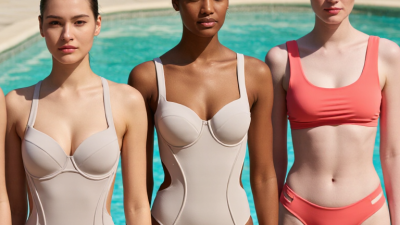
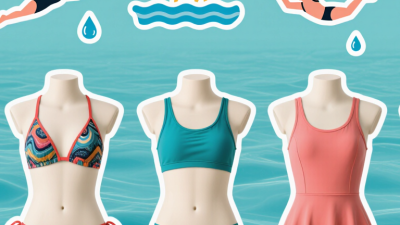
Why Choose Ladies Swimming Costume for Global Buyers?
Global swimwear is becoming a practical and competitive category for international buyers. Grand View Research valued the global swimwear market at approximately USD 20.49 billion in 2023. Its report also projects continued growth through 2030. This trend reflects rising participation in swimming, beach travel, wellness activities, and recreational sports. For many buyers, a ladies swimming costume is no longer only seasonal apparel. It is a product requiring comfort, reliable construction, attractive styling, and adaptable sizing.
Fit matters. A well-designed costume should support movement without excessive pressure. It should remain secure during swimming, stretching, or poolside activity. Fabric recovery, lining quality, chlorine resistance, and accurate measurements deserve careful assessment. Buyers should also request size charts, material specifications, sample testing, and production details before placing larger orders. These steps reduce avoidable returns and inconsistent customer experiences. However, no report can predict every woman’s fit. Regional body shapes and personal preferences still require thoughtful product development.
Sustainability is influencing purchasing decisions, although claims must be checked carefully. Textile Exchange’s Materials Market Report 2024 highlights the continuing importance of responsible fiber sourcing and improved material transparency. Recycled polyamide may support a lower-impact product strategy, but it does not automatically make a costume sustainable. Buyers should verify certifications, supplier records, fabric performance, and care instructions. Reliable manufacturers can provide practical evidence instead of vague promises. Therefore, choosing a ladies swimming costume involves more than following fashion trends. It requires market knowledge, tested quality, responsible sourcing, and honest communication across global supply chains.
Definition and Scope of Ladies’ Swimming Costumes
Why Choose Ladies Swimming Costume for Global Buyers?
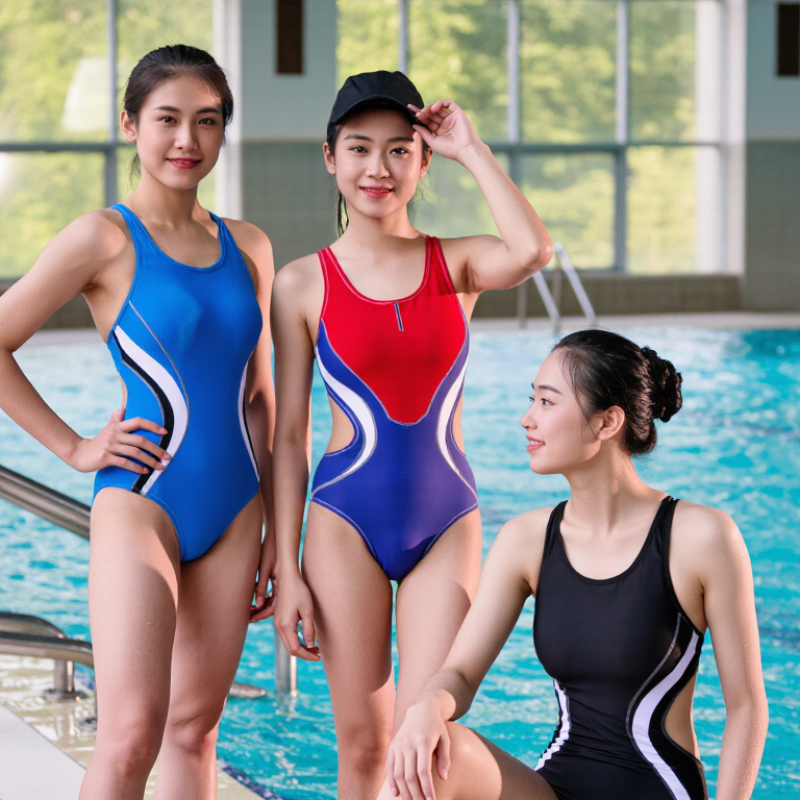
Ladies’ swimming costumes are fitted garments designed for water-based activities. The category includes one-piece suits, bikinis, modest swimwear, training suits, and competition styles. It also covers different body shapes, support levels, fabric weights, and coverage preferences. For global buyers, this scope matters because “swimming costume” can mean different products across markets.
Grand View Research estimated the global swimwear market at about USD 21.18 billion in 2023. Its report also projects continued growth through 2030. Demand is shaped by tourism, fitness participation, resort spending, and online retail. A professional buyer should check more than appearance. Fabric stretch, chlorine resistance, UV protection, lining, stitching, and size consistency affect real customer experience. Recycled fibers are increasingly discussed, but sustainability claims still require supplier documentation. The category is not perfectly standardized. Size labels can vary widely between countries.
Tips: Request measurement charts and physical samples before placing large orders. Test fabric recovery after repeated stretching. Inspect inner seams, cup support, and strap adjustment. Product photos may hide weak construction. A practical review is still necessary. Buyers should also compare packaging, care labels, and delivery performance. These details often influence returns more than color trends.
Key Features That Meet Diverse Global Consumer Needs
Why Choose Ladies Swimming Costume for Global Buyers?
Key Features That Meet Diverse Global Consumer Needs
A well-designed ladies swimming costume should support movement, comfort, and personal confidence. Global buyers often serve swimmers with different body shapes, climates, and activity levels. One cut cannot satisfy everyone.
Fabric performance matters in daily use. Quick-drying materials help after pool sessions or beach travel. Chlorine-resistant fibers can support frequent training, when properly tested. Stretch fabric should recover its shape without feeling tight. Soft inner lining reduces friction during long swims. Flat seams also help prevent uncomfortable rubbing.
Fit requires careful attention. Adjustable shoulder straps suit different torso lengths. Removable cups offer flexible shaping. Full-coverage backs may appeal to modesty-focused customers. High-waist designs can provide a secure feeling during movement. Extended size ranges are essential, not optional. However, size labels vary between markets, so clear measurements remain more reliable than familiar numbers.
Practical details influence real purchasing decisions. Secure stitching supports repeated washing. Colorfast fabric helps preserve appearance under sunlight and pool chemicals. Buyers should request test reports when performance claims matter. UPF protection can be useful, but it should be verified through recognized testing. Some product pages still use vague phrases, which can confuse retailers and consumers. A polished image is not enough.
Consumer preferences also change by region. Some swimmers want bold colors, while others prefer quiet, versatile tones. A balanced collection should reflect both needs without sacrificing function. Even small design choices can affect trust.
Benefits of Choosing Ladies’ Swimming Costumes for Buyers
Ladies’ swimming costumes offer buyers a practical balance of coverage, movement, and visual appeal. For retailers, this balance supports different customer needs, from training sessions to family holidays. A well-cut costume should stay secure during turns, stretching, and repeated pool use. That is not a small detail. Experienced buyers check shoulder tension, leg openings, lining, and seam comfort before approving samples. These checks reveal problems that product photos often hide. Comfort sells quietly.
Material selection also affects long-term value. Buyers should review fabric recovery, chlorine resistance, drying speed, and color stability. A smooth, supportive fabric can improve confidence during regular swimming. Buyers can request graded size charts and measure samples physically, rather than trusting labels alone. Body proportions vary widely between markets. A size chart without real measurements may create avoidable returns. Small details matter.
Ladies’ costumes can also simplify purchasing for distributors seeking consistent quality. Clear inspection standards help assess stitching, loose threads, transparency, and packaging condition. Buyers may request production samples before placing larger orders. Testing matters. Still, no sample predicts every customer experience. A bright color may look attractive online but perform differently under strong sunlight. Even careful sourcing has limits. Reliable communication, documented specifications, and realistic delivery schedules make decisions more dependable. Suppliers should explain limitations instead of promising perfection. That honesty may feel less polished, but it protects buyers and customers over time.
Why Choose Ladies’ Swimming Costumes for Global Buyers?
Ladies’ swimming costumes can combine coverage, comfort and UV protection in one product. The chart shows the approximate percentage of UV radiation blocked at each UPF level, calculated as 1 − 1/UPF.
According to the Australian Radiation Protection and Nuclear Safety Agency, UPF 15–24 is rated “Good,” UPF 25–39 is “Very Good,” and UPF 40–50+ is “Excellent.” Higher UPF ratings can support buyers seeking greater sun protection for beachwear, swimming and outdoor water activities.
Source: ARPANSA – Sun Protection and Clothing
Materials, Designs, and Performance Considerations
For global buyers, a ladies’ swimming costume should be judged by its fabric before its appearance.
A practical blend often combines polyamide or polyester with elastane. Polyamide feels smooth and supports close-fitting designs. Polyester usually handles chlorine, sunlight, and repeated washing well. Elastane supplies stretch, but excessive heat can weaken it. In product evaluations, I check recovery after stretching. The fabric should return without ripples. Still, no material performs perfectly in every pool.
Design directly affects movement, comfort, and confidence.
Flat seams reduce rubbing under the arms and around the shoulders. A lined front improves coverage when the costume becomes wet. Adjustable straps suit different body shapes and training habits. Higher backs can support active swimmers, while lower backs may suit recreational use. Leg openings should stay secure without leaving deep marks. Small details matter.
Performance testing should include dry and wet fit checks.
Walk, bend, and raise both arms before ordering. Look for even stitching, firm elastic, and fabric that remains opaque when stretched. Buyers should review care instructions and fiber percentages carefully. Salt water, sunscreen, and hot washing can shorten garment life. Colorfastness claims need test information, not vague promises. I would rethink one common habit: choosing a costume only by photographs. Images cannot show pressure points, wet weight, or slow fabric recovery.